
Zelenskyy decree curbs media reporting on Russian strikes on infrastructure
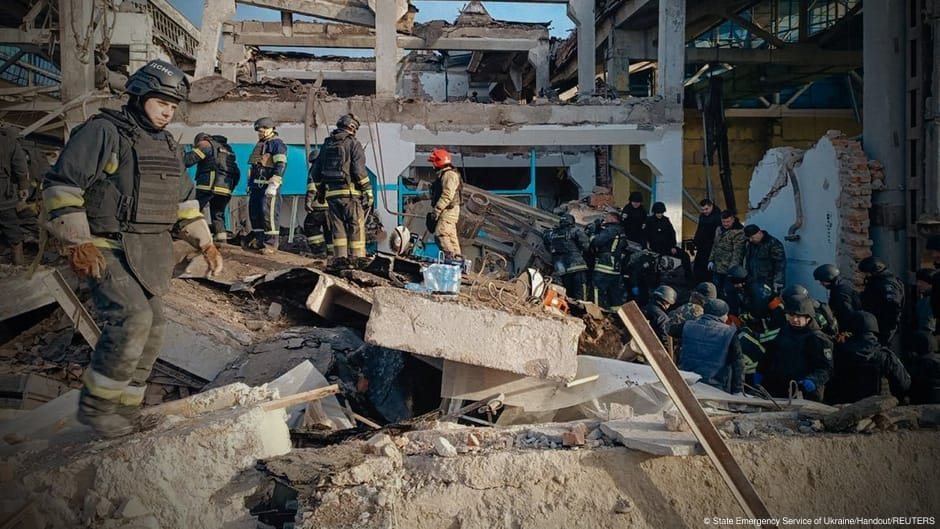
Ukrainian President Volodymyr Zelenskyy has signed a decree barring media outlets from publishing details on how Russian strikes affect the country's critical infrastructure, according to DW News.
The order directs the government to adopt what it calls "urgent measures" to prohibit reporting on the extent of destruction at critical facilities and on how long repairs are expected to take.
The move comes as Russia keeps up missile and drone attacks on Ukraine's energy grid and other vital installations ahead of winter.
Defence chiefs told to protect energy sites
Alongside the media restrictions, Zelenskyy instructed the Ministry of Defence and the General Staff to strengthen protection of critical energy infrastructure.
According to the decree, the measures were first put forward at a Security Council meeting held last month.
Kyiv had previously appealed to journalists and media houses to avoid revealing the locations hit by Russian strikes or the damage caused. Ukrainian officials have argued that such information helps the Russian military plan and adjust future attacks.
Enforcement questions
The decree does not explain how the new rules will be enforced. Dmytro Lytvyn, an adviser to Zelenskyy, acknowledged on Saturday that implementation would be difficult.
"A significant portion of such posts come from anonymous Telegram channels," Lytvyn said, according to DW News.
The messaging platform Telegram is widely used in both Ukraine and Russia to share news and updates on the war, much of it from unverified or anonymous sources.
Fresh attacks on Kyiv
Russian strikes have caused widespread disruption to heating, electricity and water supplies across Ukraine. Targets have included major bridges in Kyiv, DW News reported.
On Saturday, Kyiv Mayor Vitali Klitschko said a woman was killed and four other people were injured in the capital during a new wave of large-scale Russian attacks. He said critical infrastructure had also been struck but gave no further details.
Russia tightens its own controls
Russia has itself criminalised much reporting and public commentary on the conflict since launching its full-scale invasion of Ukraine in 2022.
Last week, Russian lawmakers tabled bills that would ban independent and unauthorised reporting on the aftermath of Ukrainian strikes, according to the Institute for the Study of War. Breaches would attract fines or prison sentences.
Meanwhile, Russian authorities on Saturday reported large-scale Ukrainian drone attacks on several regions, including Moscow and Samara. In the Bryansk region, officials said nine people were hurt when a bus was attacked.
Press freedom in wartime
The parallel moves by Kyiv and Moscow highlight the growing pressure on wartime reporting, as both governments seek to limit the flow of information about the impact of strikes on their territory.
For Ukraine, the restrictions are framed as a security measure aimed at denying Russia useful targeting information during a winter in which the country's energy system remains under sustained attack.
This story was prepared by the Hamasta Newsdesk with AI assistance, based on reporting by DW News. Read the original report. Photo: DW News.




Know what people say about you.
Media monitoring, audience insights and strategic communication for your brand.


More in International
See all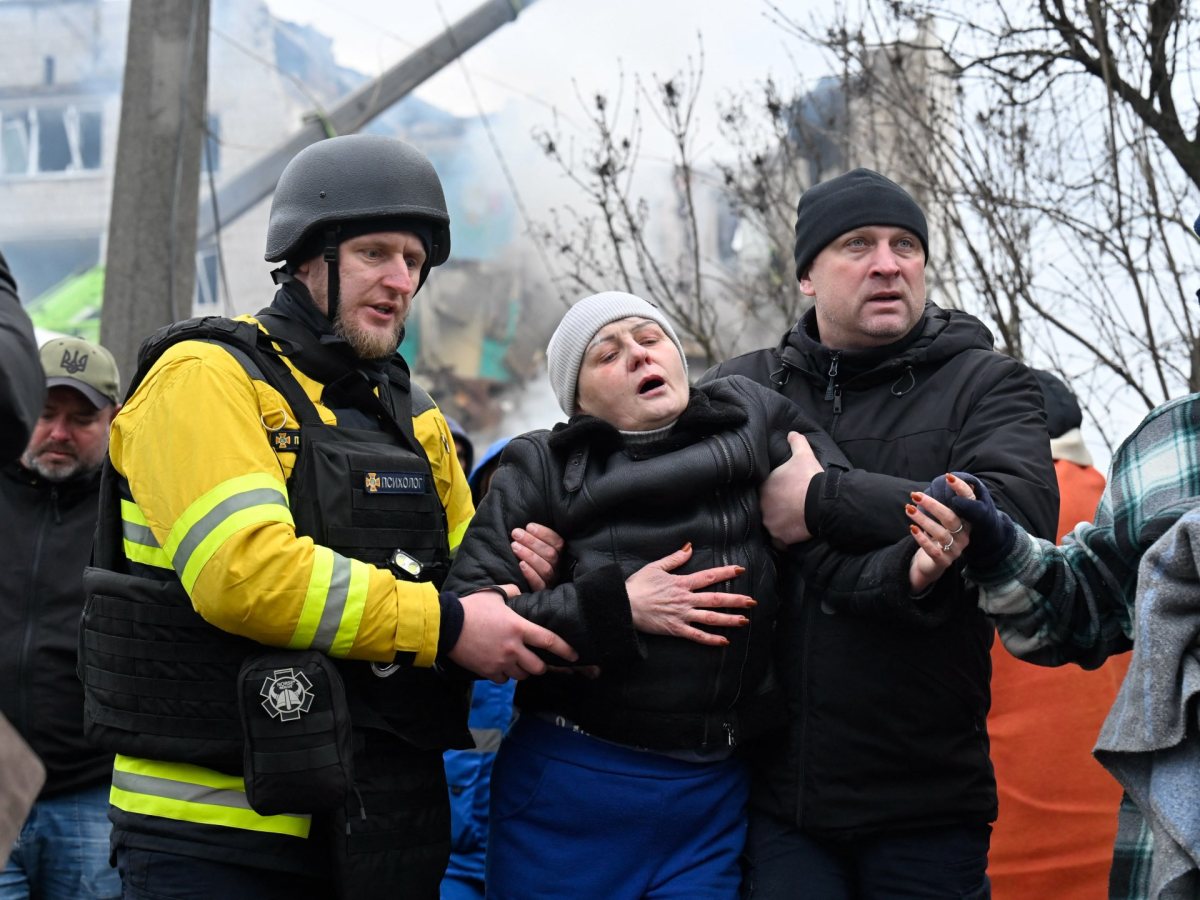
Zelenskyy presses US over Patriot missiles as Russian strikes kill seven
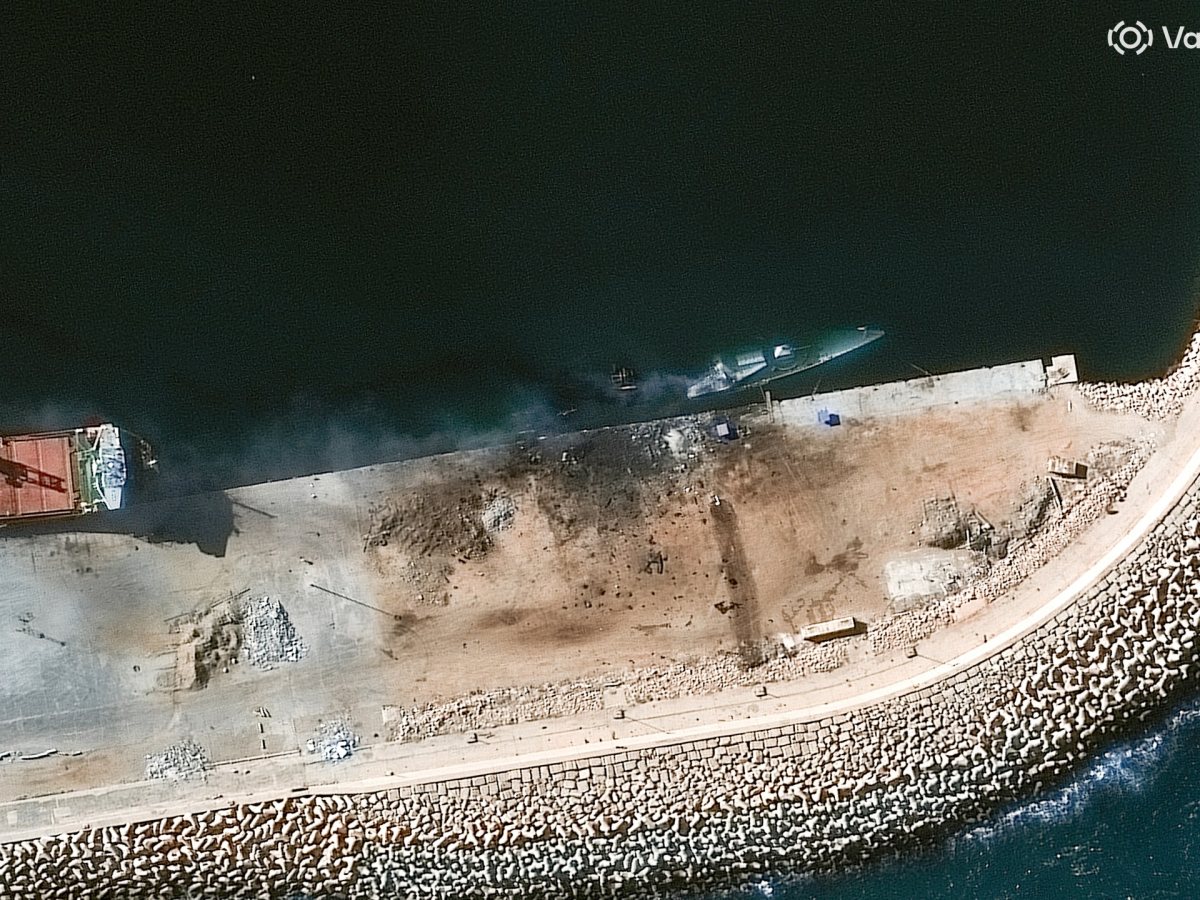
Zelenskyy says Ukraine sank Russian warship and hit cargo vessel off Libya
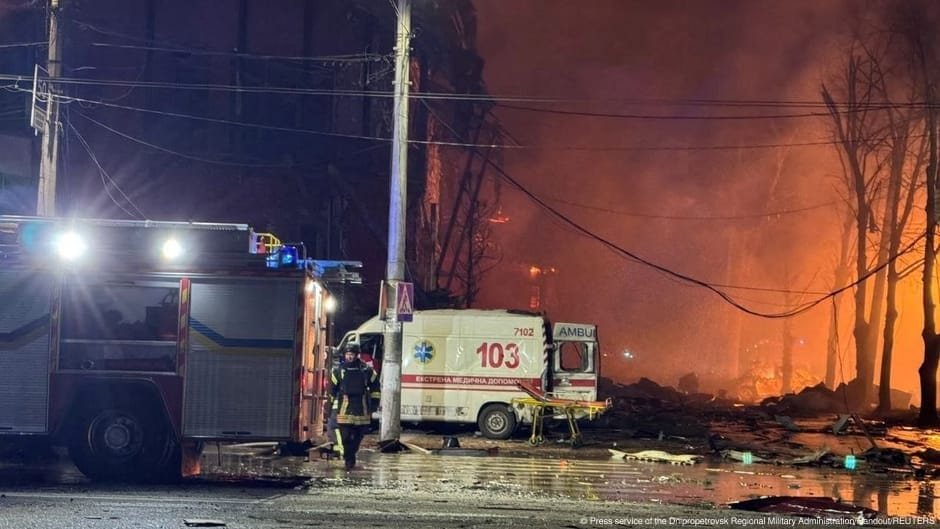
Russian missiles hit Zelenskyy's hometown Kryvyi Rih, killing boy, 7, and woman, 20
Ukraine says 'Operation Bear Trap' retook 200 sq km in Kharkiv as Russian losses climb
Russian strikes on Ukraine kill at least five, most of them in Odesa
Global Community Remarks
0