
Ruto asks MPs to pass higher education funding Bill before Christmas recess
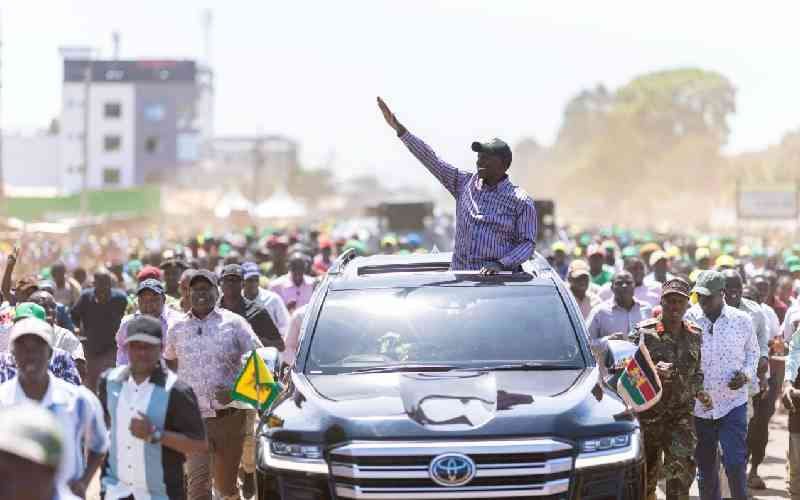
President William Ruto has asked Members of Parliament to speed up the passage of a proposed education funding Bill so that it becomes law before the House breaks for the Christmas recess, according to The Standard.
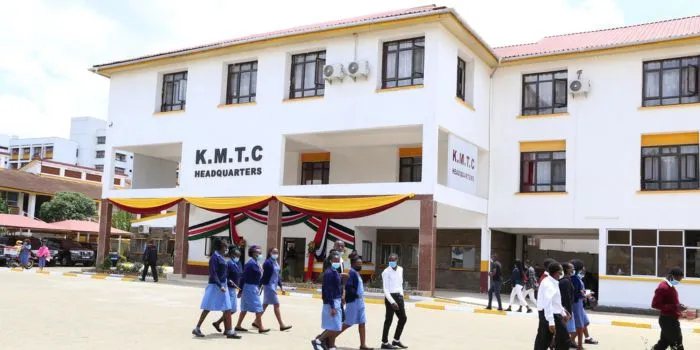
The President said the legislation would allow a new funding arrangement for students at universities, Kenya Medical Training College (KMTC) and Technical and Vocational Education and Training (TVET) institutions to begin in January.
He made the appeal during interdenominational prayers in Malava, Kakamega County, where he called on Malava MP David Ndakwa and other legislators to complete the process.
Promise to sign the Bill
Ruto said he wanted every learner in university, KMTC and TVET colleges to receive government support. He argued that no young person should lose the chance to study because their parents cannot raise fees.
He pledged to assent to the Bill as soon as it reaches his desk. "Finish that law before Parliament closes for Christmas," the President told the MPs, adding that the aim was to start the new year on a fresh footing.
According to the President, the changes are meant to ease the financial burden on students from poor households so that they can pursue higher education regardless of their families' means.
Electricity pledge draws criticism
During the same tour, Ruto announced Sh2.4 billion to connect 36,000 households in Kakamega to electricity.
The announcement drew a sharp response from Senator Boni Khalwale, who accused the President of repeatedly setting aside money for power connections every year since taking office without completing the work. Khalwale also accused Ruto of claiming credit for projects his government had not funded, citing the county-funded Vihiga County Teaching and Referral Hospital and a tuition block at Kamasielo Comprehensive School built using the National Government Constituencies Development Fund (NG-CDF).
Residents of Shinyalu also raised concerns over the relaunch of the 22-kilometre Khayega-Malimili-Shimanyiro road, estimated to cost Sh1.3 billion. They said construction had stalled several times after previous presidential visits. Resident Josphat Litavi told The Standard that locals wanted funds to finish the road rather than another relaunch.
Sugar bonuses and regional politics
The President's programme also featured bonus payments to farmers at the Nzoia and Mumias sugar factories. The Standard noted that the source of the money and the role of private mill operators, following the leasing of the factories, remain unclear.
Bungoma Governor Kenneth Lusaka rejected claims that Ruto's prolonged stay in Western Kenya was driven by concern over Sifuna's rising profile or a failure by local leaders to manage the challenge. Lusaka said the President was touring the country region by region and had been visiting Western before Sifuna emerged, adding that Sifuna was not yet a presidential candidate. He described the reception as warm and said Ruto was supporting the efforts of his regional allies.
However, Ignatious Nyukuri, an aspirant allied to Linda Mwananchi, argued that the President's personal involvement pointed to pressure on his teams in the region. He claimed Ruto had set up three well-funded campaign teams in Western Kenya, linked to Lusaka and Ayub Savula, Wetang'ula and Kibet, and Mudavadi, which had failed to counter Linda Mwananchi's appeal.
Analysts raise questions
Political analyst Martin Oloo warned that making fresh announcements without accounting for earlier ones could erode public trust. He pointed to a past promise of 1,000 kilometres of roads in Western Kenya, saying it had been forgotten in favour of new pledges.
Another analyst, Martin Andati, questioned how the government planned to pay for new commitments announced after the national budget had already been approved.
This story was prepared by the Hamasta Newsdesk with AI assistance, based on reporting by The Standard. Read the original report. Photo: The Standard.

Tell your story on screen.
Commercials, documentaries, interviews and social video, from script to final cut.





Read also
HELB Opens KMTC Student Loan Applications With Three-Day Deadline
KMTC Opens Deferment Window for Students Who Failed to Report, Offers March 2027 Intake
KMTC to review its 126 courses after MPs warn graduates are struggling to find jobs
KMTC Moves 95th Graduation to December 4, Extends Gown Collection Deadline
Lawyer sues to halt KMTC hiring of senior lecturers, says posts were wrongly restricted to internal applicants
Global Community Remarks
0