
Kabila launches politico-military front with M23 rebels in Goma

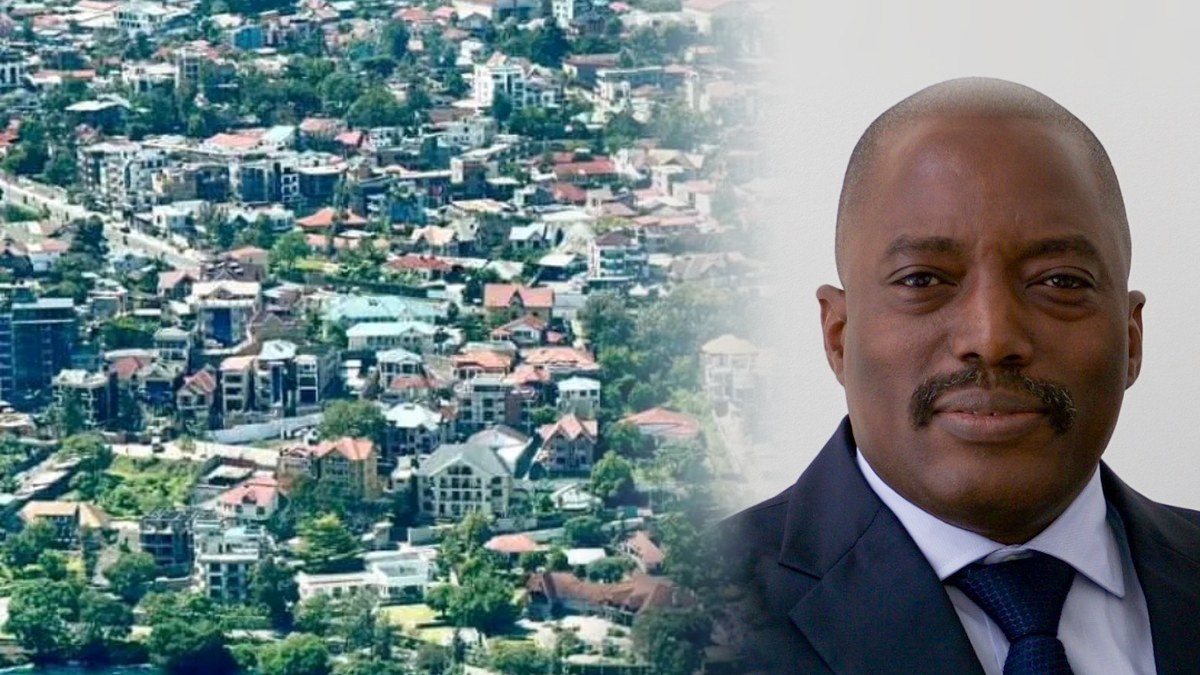
Former Democratic Republic of Congo President Joseph Kabila has launched a new politico-military coalition that includes the M23 rebel group, in a move analysts say could set back efforts to end fighting in the country's east.
The coalition, named the Front pour la Refondation de la Nation (FRN), or Front for the Refoundation of the Nation, was unveiled late on Monday, 12 October, at a news conference at Mr Kabila's residence in Goma, the eastern city that M23 has controlled since January 2025, according to the Associated Press and AFP.
Leadership and aims
Mr Kabila, who ruled the country from 2001 to 2019, will head the front. Rebel leaders will serve as his deputies. China Daily reported that the vice-presidents are Corneille Nangaa, a leading figure in the rebel coalition; Bertrand Bisimwa, a senior M23 leader; and Sultani Makenga, M23's military commander. The AP described Mr Nangaa as one of four vice-presidents.
The FRN brings together M23 and armed groups that were formerly part of the Congo River Alliance (AFC), the political coalition allied to M23, which China Daily said the new front replaces.
Coalition adviser Claude Ibalanky, who presented the front, said its aim was to restore the foundations of a functioning state and unite resistance forces against the government. He said the signatories would pool their resources to "liberate" the country and would pursue their goals "by any means necessary, including the use of force", the AP reported.
The launch came three days after Mr Kabila delivered an address to the nation calling for "an inclusive national dialogue" to tackle the country's crisis, according to China Daily.
No immediate response from Kinshasa
The government of President Félix Tshisekedi did not immediately respond to the announcement. Congolese authorities have previously accused Mr Kabila of being one of the initiators of the AFC, a charge he denies.
Analysts warned that the move could undermine negotiations between Kinshasa and the AFC/M23 rebels, which began in Doha with backing from the United States and Qatari mediation.
"We will likely witness an escalation on the military front," said Yvon Muya, a researcher at the University of Ottawa, quoted by the AP.
In July 2025, Kinshasa and M23 agreed to a ceasefire under the Qatari-mediated process, but France 24 reported that it has not been respected. A separate agreement signed in December by the governments of the DRC and Rwanda under Washington's auspices has had no tangible effect on the ground, the broadcaster said.
Background
A Congolese military court sentenced Mr Kabila to death in absentia last year on charges including treason, war crimes and crimes against humanity linked to M23. He has rejected the charges as politically motivated. Earlier this year, the United States imposed sanctions on him over alleged support for rebel groups in the east.
M23, a mainly ethnic Tutsi group that first rose up in the Kivu region in 2012, is one of about 100 armed groups active in the mineral-rich east. It seized Goma and other key cities in a rapid offensive in early 2025. The DRC government, the United States and United Nations experts accuse Rwanda of backing the group, which Kigali denies.
Mr Kabila came to power in 2001 after the assassination of his father, Laurent Kabila. His preferred successor lost the December 2018 election to Mr Tshisekedi, whose second and final five-year term ends in 2028. France 24 noted that the ruling majority has been preparing public opinion for a possible constitutional amendment to the two-term limit.
Wider regional tension
The developments add to instability in the wider region. In the Horn of Africa, Eritrea cut diplomatic ties with Ethiopia on 1 October after Addis Ababa closed its embassy in Asmara and expelled Eritrean diplomats, Reuters reported. Witnesses later told the news agency they had seen Eritrean soldiers in the northern Ethiopian town of Adigrat, accounts Reuters could not independently verify. Eritrea's Information Minister, Yemane Meskel, accused Ethiopia of fabricating a self-defence narrative to justify war.
Photos: Dieulaisevambesa / Wikimedia Commons, CC BY-SA 4.0; U.S. Department of State / Wikimedia Commons, public domain



Grow an audience that listens.
Social media management, digital campaigns and online storytelling that converts.



More in International
See all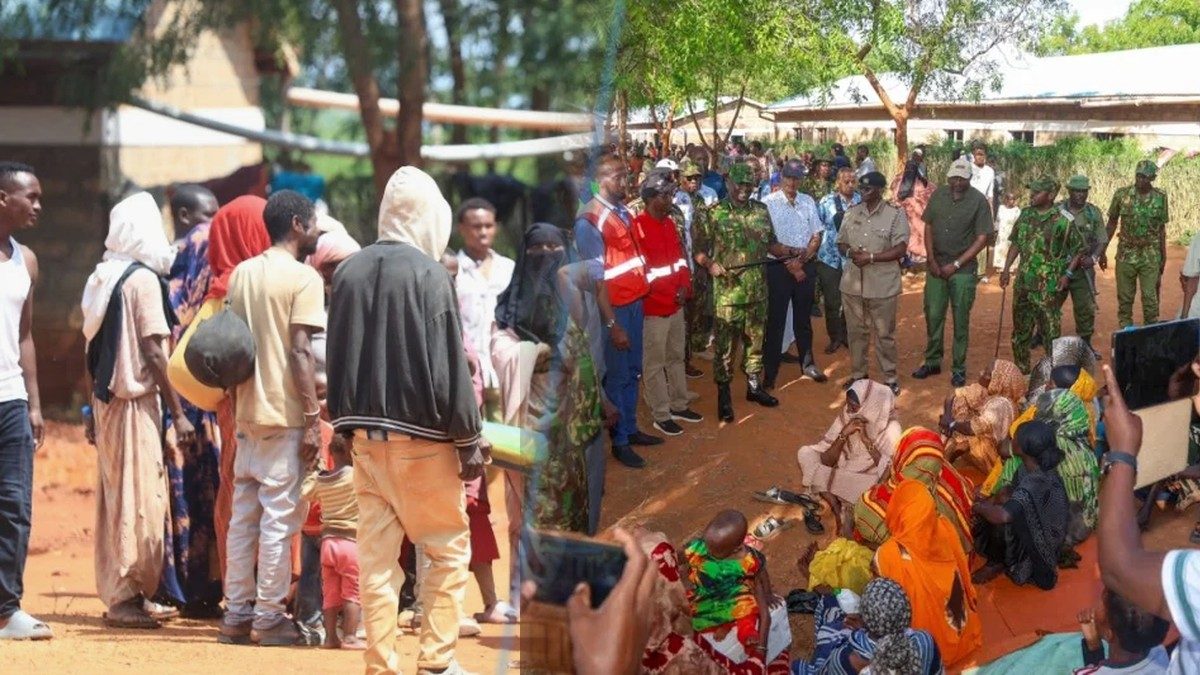
Rockets land metres inside Kenya at 2am: KDF destroys three grenades in Moyale as Ethiopia's border war drives 50,000 across
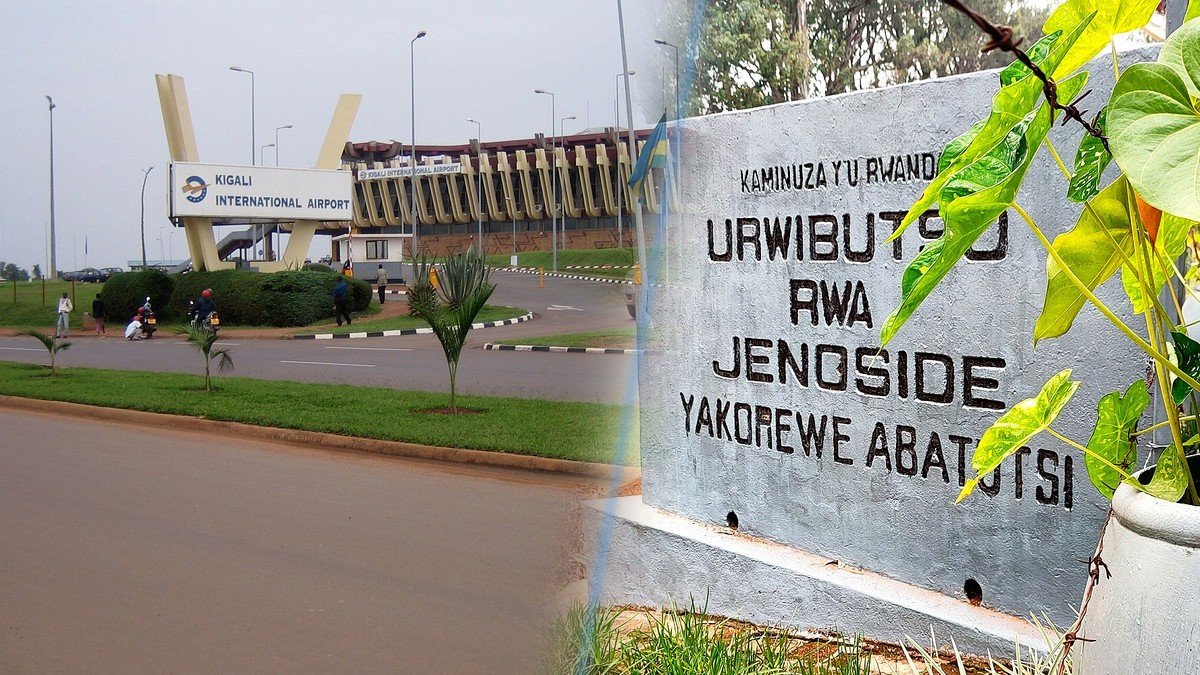
Thirty-two years after fleeing, via Kenya, Canada and a US prison: America deports Rwanda genocide suspect Jean Leonard Teganya to Kigali
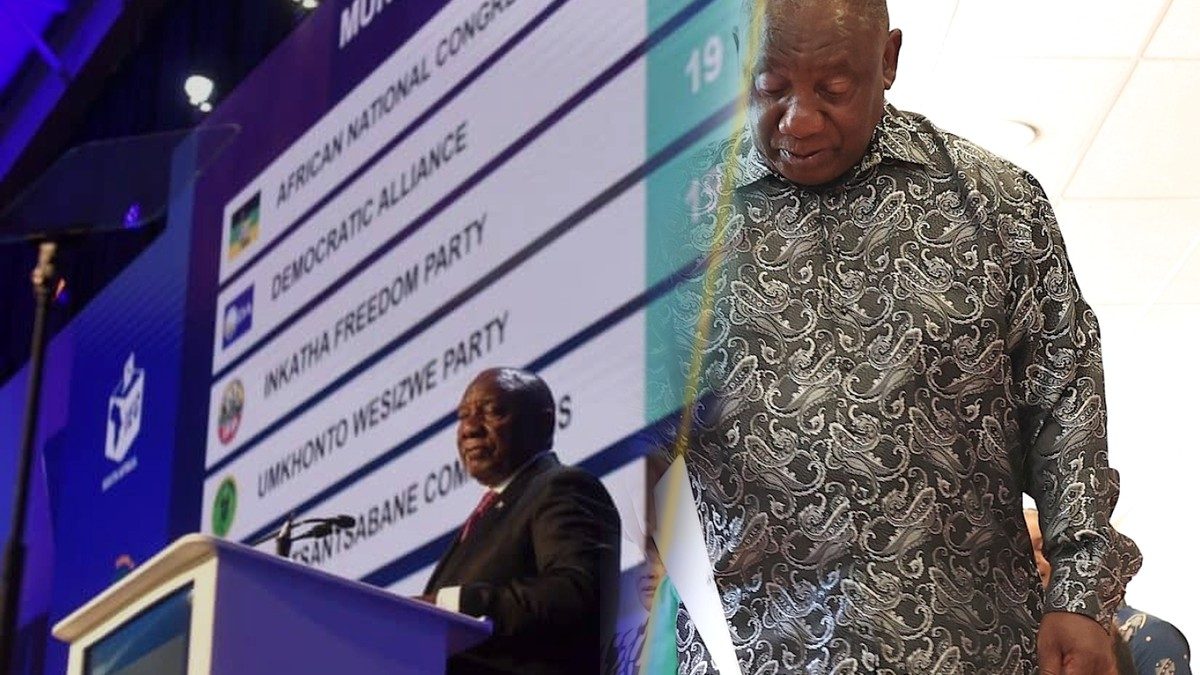
'Catastrophic': From 66pc to 30.8pc, Mandela's ANC suffers its worst-ever local election as the DA overtakes it in Johannesburg and Pretoria
Stopped before boarding: Nine young foreigners arrested at Johannesburg airport and hotel over alleged bid to fight in Russia's war
Condemned for running from battle: DR Congo sentences 66 soldiers to death for 'cowardice' after they fled rebel fighters
'Iran militarily is effectively over': Trump says no plans to resume bombing after Qatar talks, but the blockade stays
Global Community Remarks
0