
Gachagua Questions Government's Fuel Pricing Decisions

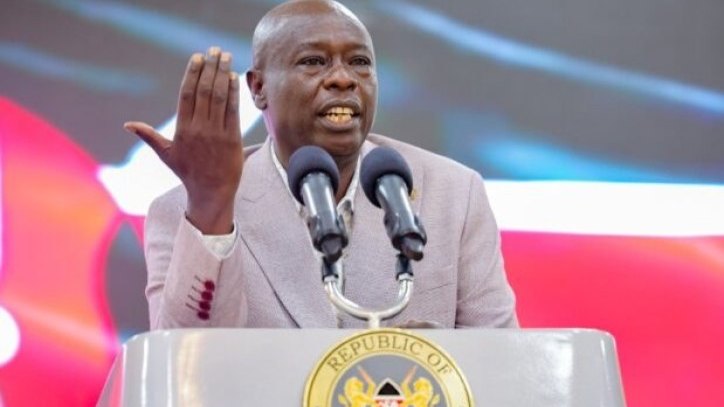
He also criticised Energy and Petroleum Cabinet Secretary Opiyo Wandayi, alleging that the government would justify the anticipated price adjustments by citing international oil market conditions.
Gachagua dismissed that explanation as misleading and challenged the administration to account for the factors determining fuel prices.
However, the allegations that the proposed increases were intended to finance political bribery have not been independently substantiated in the available reports.
Government Cites Pressure on Petroleum Prices
The accusations come amid pressure on Kenya's petroleum pricing framework as the government considers measures to cushion consumers against rising fuel costs.
On October 13, Energy Cabinet Secretary Opiyo Wandayi announced that Parliament was considering an extension of the reduced 8 per cent value-added tax (VAT) on petroleum products for another 90 days from October 15.
The government has maintained that petroleum supplies remain stable, with shipments arriving according to schedule. The proposed tax extension is intended to help limit the impact of fuel costs on consumers.
Fuel Prices Become a Political Issue Ahead of 2027
Fuel prices remain a major political issue because changes in petrol and diesel costs can affect public transport fares, food distribution, manufacturing and household expenses.
Gachagua has increasingly linked the government's economic record to the political contest ahead of the 2027 General Election, accusing the administration of failing to ease the cost-of-living burden.
President Ruto's administration has faced continued debate over taxation, petroleum pricing and the wider cost of living. The latest accusations add to the political dispute between the President and his former deputy as political leaders position themselves ahead of the next election.
HAMASTA MEDIA — Reporting Moments that Matter.


Take your event live to thousands.
Multi-camera live streams, panel discussions and digital broadcasts with professional crews.




More in Politics
See all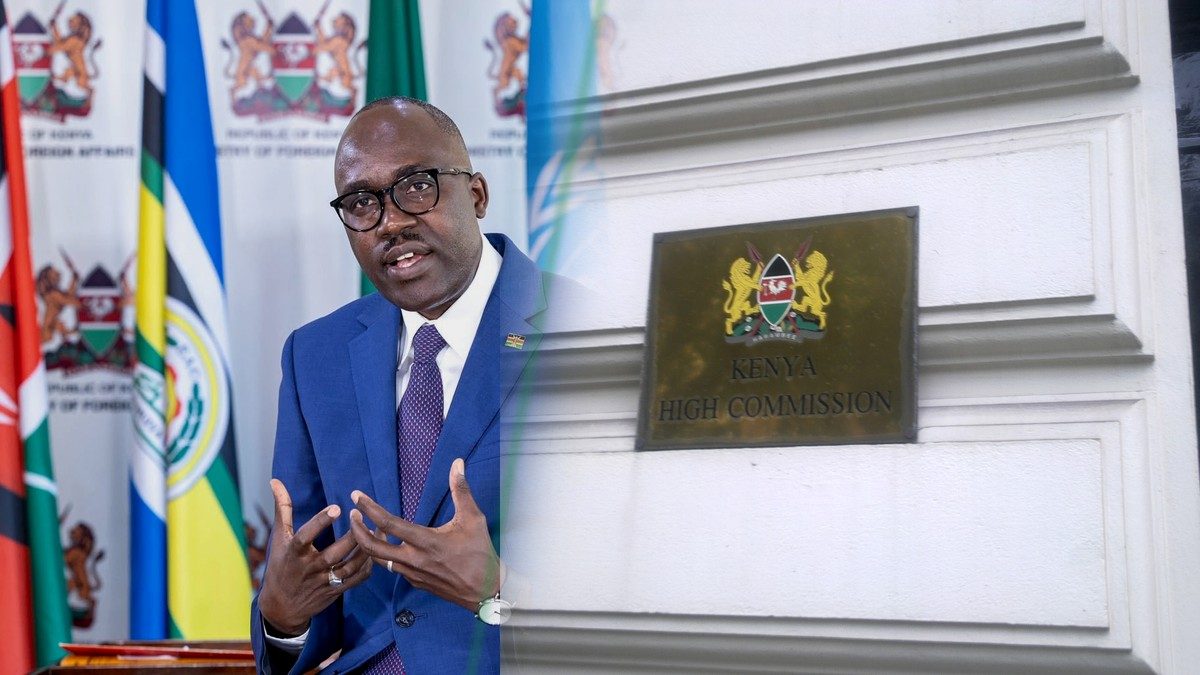
12,000 Kenyans in Switzerland lose their embassy: Bern mission shuts consular doors on November 30 as Kenya heads for Azerbaijan and Congo
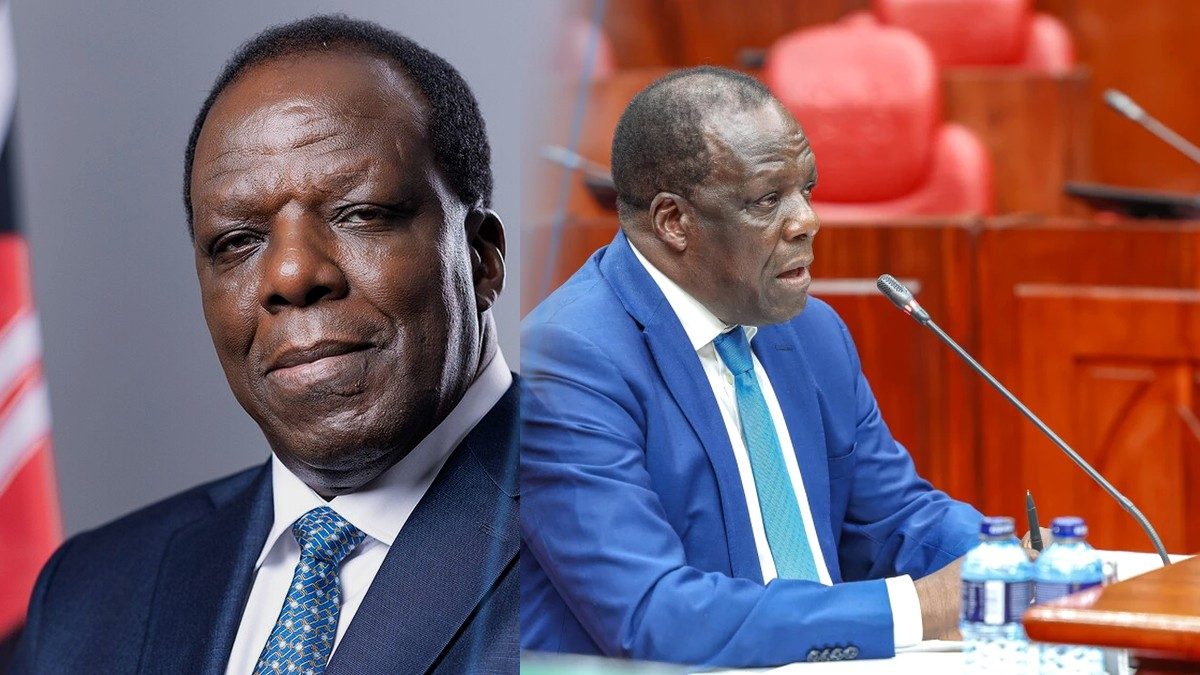
'The judgment must translate into action': Anti-graft lobby gives EACC and DPP 14 days to reopen CS Oparanya's Sh56.7 million kickbacks file

'Are they still the leaders of 2032?' Gachagua answers Ruto's young-leaders pitch with the names of Rex Masai, Albert Ojwang and other dead protesters

A handshake at a 90-year-old cousin's requiem: Uhuru and Gachagua share a warm moment in church, with Kalonzo and Wamalwa also in the pews
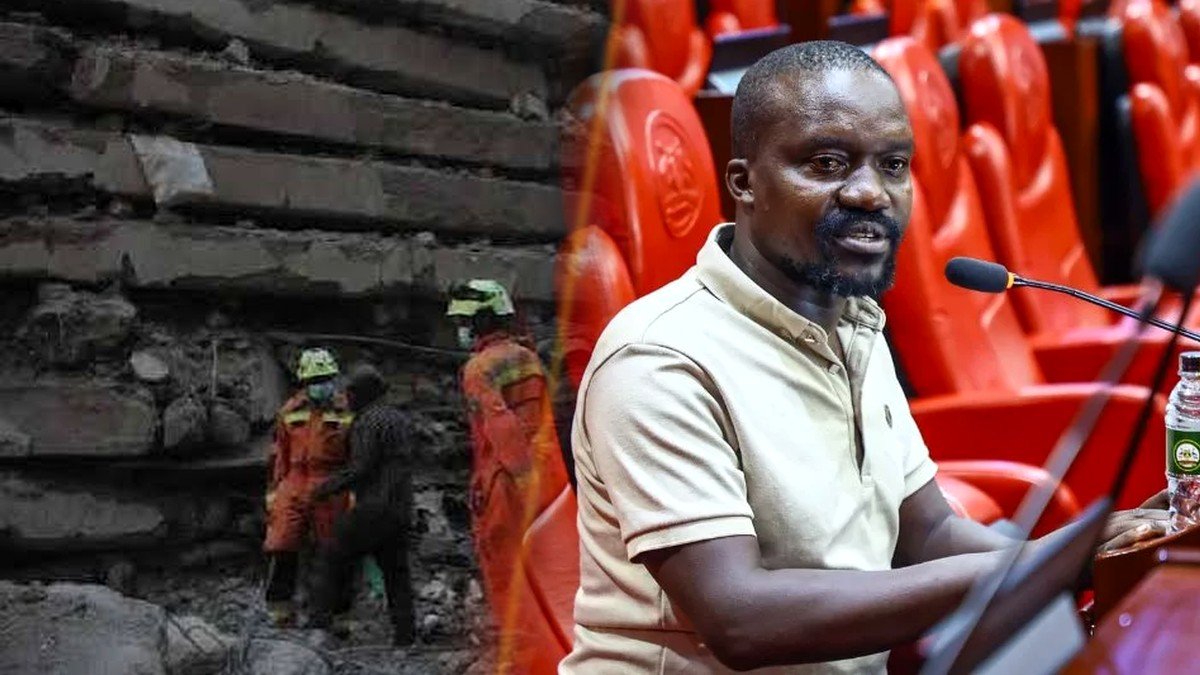
'I didn't meet the developer in person': Planner behind collapsed Eastleigh building's change of use warned he could be declared a hostile witness by MCAs

'If you loved Raila, vote for Ochieng' Sakaja': Luo elders' chief tells Nyanza voters in Nairobi to back the governor as he lands in Kisumu
Global Community Remarks
0