
Funding gaps and Kuppet boycott threat loom as Kenya's 2026 national exams begin

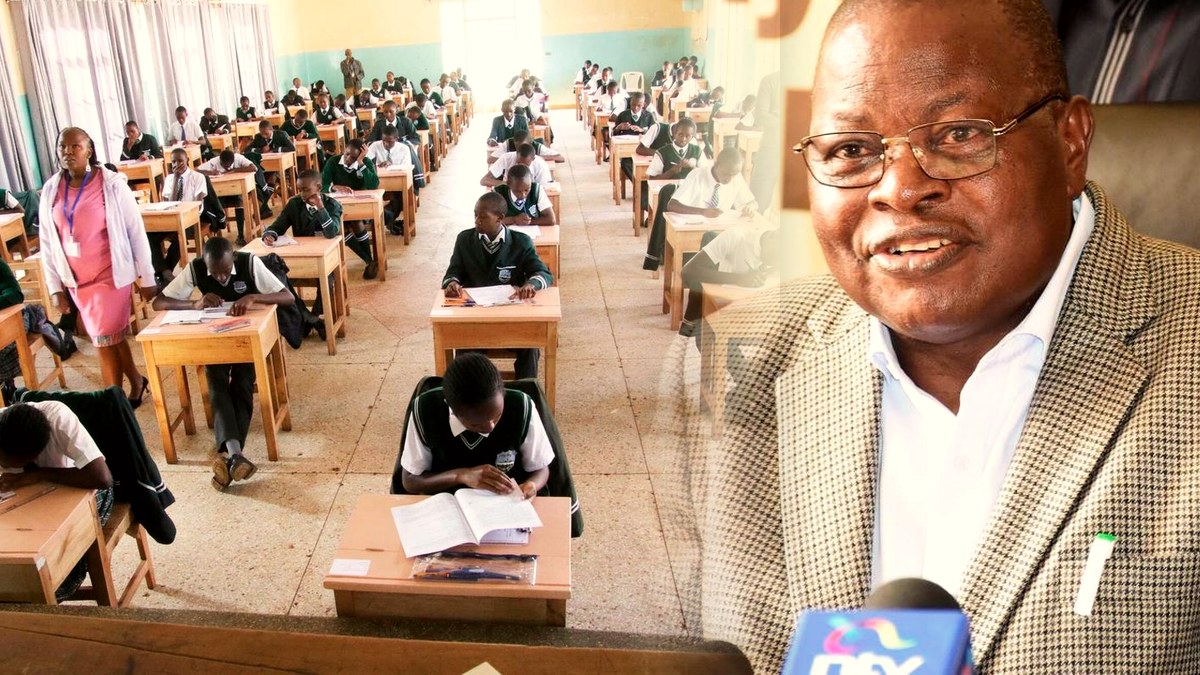
Kenya's 2026 national examinations open on Monday under a double cloud: secondary schools say they are running the exercise on borrowed money, and the Kenya Union of Post-Primary Education Teachers (Kuppet) has told its members to stay away from exam duties until pay for supervisors, invigilators and examiners is improved.
The Kenya National Examinations Council (Knec) is administering papers to a record 3.6 million candidates across the Kenya Certificate of Secondary Education (KCSE), the Kenya Primary School Education Assessment (KPSEA) and the Kenya Junior School Education Assessment (KJSEA). KCSE candidates sat rehearsals on Friday, with oral and practical papers, including French, German, Arabic, Kenyan Sign Language and music, set to begin on October 19. The main written KCSE papers run from November 2 to November 20, while KPSEA and KJSEA candidates hold rehearsals on October 23 and start their assessments on October 26.
Schools buying exam materials on credit
Principals say the strain begins long before the first paper is handed out. According to figures from the Kenya Secondary Schools Heads Association (KESSHA) reported by the Daily Nation, public secondary schools were meant to receive Sh22,244 per learner this year, released in three tranches of Sh11,122, Sh6,673 and Sh4,449.
Instead, schools say they received a combined Sh7,952 per learner in the first term, including money retained by the government, a shortfall of Sh3,170. The second term came in Sh1,536 short, and a July circular pointed to a third-term release of about Sh3,367, leaving a further gap of roughly Sh1,081. Taken together, heads put the shortfall at close to Sh5,800 per learner, assuming the final tranche is paid as indicated.
The cost bites hardest in practical subjects. KESSHA chairperson Willy Kuria told the Nation that schools must still buy chemicals and laboratory supplies for practical papers, and that many borrow the materials from suppliers and pay later. Some day schools, he said, have resorted to asking learners to bring exercise books and foolscaps from home. One Nairobi principal quoted by the paper summed up the situation bluntly: "Everything is bought on credit."
Kuppet digs in over examiners' pay
The second threat comes from the classroom. Kuppet's National Governing Council resolved last week that members should keep off all Knec activities, from managing exam centres to marking scripts, until the council agrees to better terms.
Current rates, set after a 2024 review, pay supervisors between Sh630 and Sh680 a day, centre managers Sh500 to Sh550 and invigilators Sh430 to Sh510, while examiners earn between Sh35 and Sh75 for each script marked, The Star reported. The union wants a minimum flat rate of Sh4,000 a day for supervisors and related officials, at least Sh100 per marked paper, and better accommodation at marking centres, where it says teachers sleep in overcrowded dormitories. It has also asked the Salaries and Remuneration Commission (SRC) to urgently review the framework.
"We are asking our members to sit back and not participate in any exam conducted by the Kenya National Examination Council," Kuppet Secretary-General Akelo Misori said, according to The Star.
Misori has described the existing rates as "slavery wages" and compared them unfavourably with the pay of unskilled construction workers, who he said earn at least Sh700 a day. Kuppet chairman Omboko Milemba said teachers should not take up Knec work until the council sits down with union leaders to agree on examiners' pay.
The standoff comes only months after a separate row over 2025 exam arrears, which ended when the National Treasury released Sh1.5 billion in July and Education Cabinet Secretary Julius Ogamba confirmed the money had been sent to examiners. Kuppet says that payment settled old debts but not the rates themselves, which are normally reviewed every four years and are next due in 2027.
Counties say they are ready
On the ground, education officials insist logistics are in place. In Nakuru, County Director of Education Victoria Mulili said 48,038 candidates would sit exams in 485 centres, with papers secured in 17 containers. Murang'a expects about 30,000 KCSE candidates and has drawn up relocation plans for areas prone to heavy rain and landslides.
Knec had not publicly responded to the union's demands by the time of publication. How many Kuppet members heed the directive when written papers begin on November 2 will determine whether the boycott threat becomes a real disruption.
Photos: Candidates during a national examination (Nation Media Group, file); Kuppet Secretary-General Akelo Misori (Nation Media Group).


Grow an audience that listens.
Social media management, digital campaigns and online storytelling that converts.



More in Education
See all
Eggs, sausages and chicken: Principals defend extra fees as MPs insist enhanced menus need ministry approval

Court strikes out junior school teachers' bid to form union outside Kuppet and Knut
Court orders Maseno University to pay ex-student Sh800,000 for erasing his academic record

Kenya School of Law suspends 2027/28 bar school applications after High Court freezes new entry rules

Striking university lecturers take pay dispute to Nairobi streets with march to Parliament
KNEC begins online training for exam setters under competency-based curriculum
Global Community Remarks
0