
Eggs, sausages and chicken: Principals defend extra fees as MPs insist enhanced menus need ministry approval

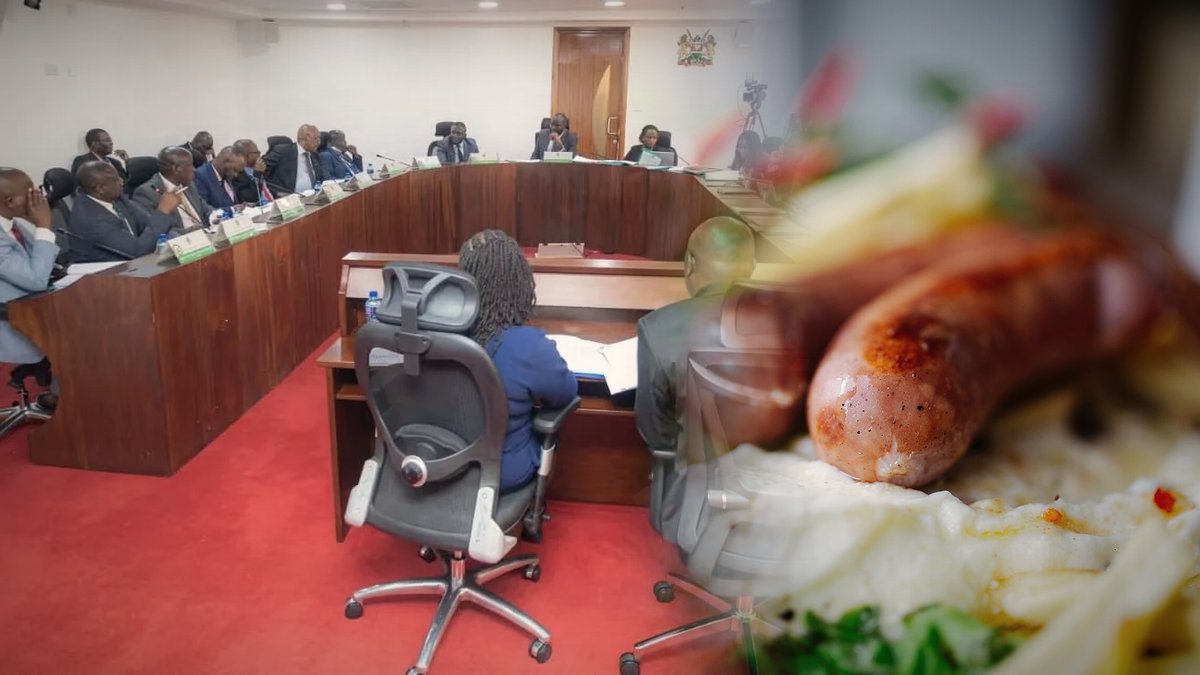
Principals of some of Kenya's best-known public boarding schools are defending fees charged above the government ceiling. They say parents and students have demanded richer menus with eggs, sausages, beef and chicken, which the approved fees cannot pay for.
The explanation has not satisfied MPs. Parliament's audit watchdog for education institutions maintains that no parents' meeting or board resolution can replace the legal requirement for Ministry of Education approval before extra charges are imposed.
The fee cap and the gap
The Auditor-General has flagged several schools, many of them Cluster One (formerly national) schools, for charging annual fees above the approved ceiling of Sh53,580, the Nation reported on Thursday. Principals are now appearing before the National Assembly's Public Investments Committee on Governance and Education, chaired by Luanda MP Dick Maungu, to answer the audit queries.
At Ikuu Boys High School in Tharaka-Nithi, chief principal Morris Thigaa told the committee the additional charges were introduced to meet operating costs and to sustain the improved diet that parents and learners wanted, according to the Nation. He said the school had asked the Ministry of Education to approve the charges but had not received a response.
Ikuu Boys was among four schools whose audit reports were reviewed at a sitting on 14 October, alongside Meru School, St Mary's Girls High School Igoji and Chogoria Girls High School, The Eastleigh Voice reported. At that sitting, MPs also told school heads to stop sending public money to the Kenya Secondary Schools Heads Association (KESSHA) and the Catholic principals' association without ministry approval, warning that principals could be surcharged personally.
What earlier hearings found
The questioning is a continuation of hearings that began in September with Cluster One schools. Figures tabled then, as reported by Education News and Money254, showed:
Limuru Girls' School charged Sh73,580 per student against an approved Sh53,580. Alliance High School charged Sh68,554 against approved fees of Sh53,554 and, in another year, Sh45,000, a gap of up to Sh23,554 per learner. Mang'u High School collected Sh46,082 per student in 2024/2025 under a Parents Association support programme, with no evidence of ministry approval.
Limuru Girls' chief principal Susan Kariuki told MPs the extra money had been approved at a PTA annual general meeting and endorsed by the board to cover rising food, electricity and water costs, but conceded the school had not obtained written authority from the Cabinet Secretary. Mang'u principal Dr Bernard Mwangi King'ah defended the levy as paying for an enriched diet, security, workshops and laboratories.
"The school offers an enriched diet over the year and changing may not go well with the student," Dr King'ah told the committee, Education News reported.
MPs: better food, but within the law
Committee members have said they are not against better nutrition for learners, but they object to how the programmes are introduced and paid for.
"Schools cannot wake up and introduce additional charges and expect parents to simply comply," Mr Maungu said during the September sittings.
Narok Woman Representative Rebecca Tonkei questioned why parents in some public schools pay extra for eggs, bread, sausages, chapati and mandazi, and said the ministry should decide how any such programme is funded so that it does not create disparities between learners. Kiminini MP Maurice Kakai Bissau said the issue was not the food itself but the financing and accountability for parents' money.
Squeezed from both sides
School heads say they are caught between parents who expect the menus to continue and a fee structure they argue no longer matches the cost of running a boarding school. They also cite rising food and utility prices and delays in government capitation, which have left many schools buying supplies on credit.
The committee is expected to rely on the Auditor-General's findings to make recommendations on financial management at the affected schools. It will also seek clarification from the Ministry of Education on the rules for extra levies.
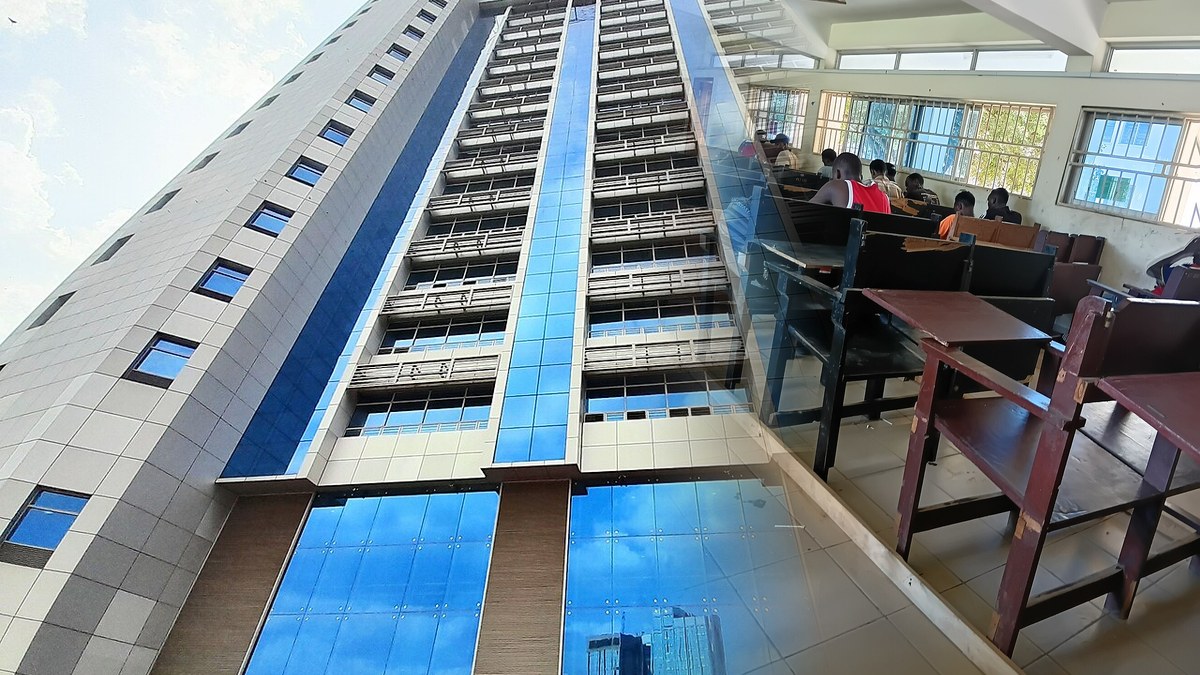
Photos: Members of the Public Investments Committee on Governance and Education at Bunge Tower, 14 October 2026 (The Eastleigh Voice); breakfast plate with sausages and eggs (Shixart1985 / Wikimedia Commons, CC BY 2.0).


Take your event live to thousands.
Multi-camera live streams, panel discussions and digital broadcasts with professional crews.




More in Education
See all
Court strikes out junior school teachers' bid to form union outside Kuppet and Knut
Funding gaps and Kuppet boycott threat loom as Kenya's 2026 national exams begin
Court orders Maseno University to pay ex-student Sh800,000 for erasing his academic record
Kenya School of Law suspends 2027/28 bar school applications after High Court freezes new entry rules
Striking university lecturers take pay dispute to Nairobi streets with march to Parliament
KNEC begins online training for exam setters under competency-based curriculum
Global Community Remarks
0