
Germany makes integration language test harder from November 1: what it means for Kenyans heading there

Germany will make its main language exam for immigrants harder to pass from 1 November. The change will affect Kenyans and other foreigners who are building a life in the country through its state-funded integration courses.
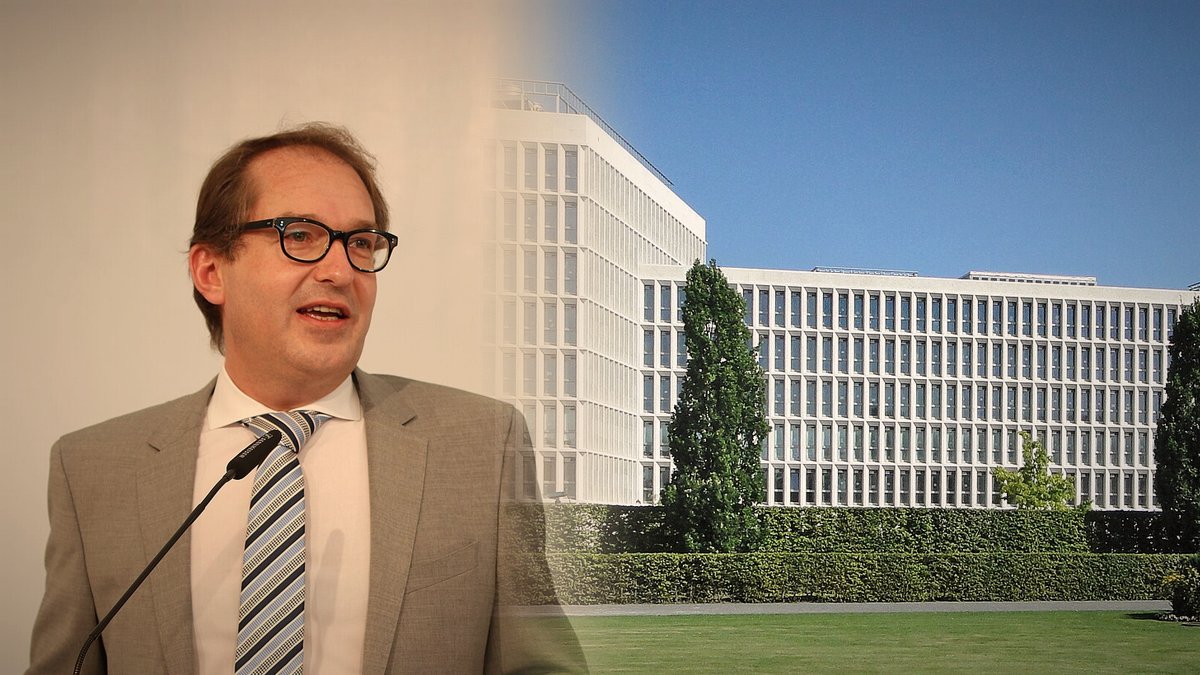
The Federal Interior Ministry, headed by Alexander Dobrindt, is tightening the scoring rules for the Deutsch-Test für Zuwanderer (DTZ), the German Test for Immigrants taken at the end of an integration course. The plan was first reported by the German daily Bild and later confirmed by a ministry spokesperson, The Local Germany reported on 20 October.
What is changing
The DTZ tests four skills: speaking, listening, reading and writing. Under the current rules, a candidate can be awarded an overall B1 or A2 by reaching the required level in speaking plus at least one of the written components. In practice, that meant some candidates could leave the writing section blank and still pass.
From 1 November, that route closes. According to InfoMigrants, writing becomes a required part of the exam. To get an overall B1, candidates will need B1 in speaking and in at least one other area, and no lower than A2 in their weakest area. A missed section will mean a failed exam, even if strong scores elsewhere would previously have been enough.
Why Berlin is acting
The ministry says the change is meant to make the test more secure and prevent abuse, citing an increase in cheating attempts.
"In most cases, exam questions and answers were illegally acquired over the internet," the ministry said, as quoted by InfoMigrants.
According to the draft cited by Bild, some candidates scored well on the multiple-choice listening and reading sections using answers memorised in advance while leaving the writing section empty. The Local reported that a ministry spokesperson could not say how many cheating cases had been detected.
The stakes are high. Figures from the Federal Office for Migration and Refugees (BAMF), cited by The Local, show 318,550 people took the DTZ last year. Of these, 55 per cent reached B1, about 32 per cent reached A2 and nearly 13 per cent fell below A2.
Who is affected, and who is not
The new rules apply to the DTZ specifically. Passing it at B1, together with the "Life in Germany" test, earns an integration course certificate. That certificate can help immigrants meet the language and integration requirements for some residence procedures, including settlement permits, and later for naturalisation.
The change does not apply to every German exam used for migration. Reports say people who take B1 exams through other recognised providers, such as the Goethe-Institut or telc, are not affected. This matters for many Kenyan nurses, care workers and tradespeople who sit those exams at home before travelling.
The DTZ change will, however, matter for Kenyans already living in Germany who join integration courses after arrival. More Kenyans are expected to move to Germany under the labour migration agreement the two countries signed in September 2024, which opened channels for skilled and semi-skilled workers to fill shortages in the German labour market.
The tighter test is part of a wider shift in German migration policy under the current government. Mr Dobrindt is also pursuing separate restrictions on access to, and funding for, integration courses.
Candidates booked for the DTZ on or after 1 November should prepare for all four sections. Writing can no longer be treated as optional.
Photos: German Interior Minister Alexander Dobrindt (H-stt / Wikimedia Commons, CC BY-SA 4.0); the Federal Interior Ministry building in Berlin (C. Müller / Wikimedia Commons, CC BY-SA 3.0).
Every moment, captured beautifully.
Events, corporate portraits, products and editorial shoots by our newsroom photographers.





More in International
See all
Kenya joins US, China and Russia at Geneva talks as envoys push for Sudan ceasefire

Ghana tightens airport screening over Ebola risk from Kenya flights

Abiy Ahmed at Mashujaa Day: 'History made us brothers, our choices must make us partners'
El Salvador bars entry to travellers from Kenya and seven other African countries over Ebola, as US raises advisory to Level 3

Nigeria records first Ebola case in Abuja as regional outbreak widens
Kenyan man in Nebraska accused of using stolen US identities to cash Sh2.56m in student aid cheques
Global Community Remarks
0