
Kenya joins US, China and Russia at Geneva talks as envoys push for Sudan ceasefire


Kenya was among the countries represented at fresh talks in Geneva on Wednesday aimed at bringing order to the crowded field of peace efforts on Sudan, where war between the army and the Rapid Support Forces (RSF) is now in its fourth year.
The sixth Consultative Meeting on Enhancing Coordination of Peace Initiatives and Efforts for Sudan was held on 21 October 2026. It was co-hosted by Switzerland and the office of the UN Secretary-General's Personal Envoy for Sudan, Pekka Haavisto. Kenyans.co.ke reported that Kenya sat alongside the United States, China, Russia and other regional and international players, including the African Union (AU) and the Intergovernmental Authority on Development (IGAD).
Middle East Monitor put attendance at 21 countries, while Africanews described it as nearly two dozen. Neither the Sudanese Armed Forces (SAF) nor the RSF attended.
"This war must end"
Opening the meeting, Haavisto said the gathering should take stock of collective efforts and improve coordination so that Sudanese people could live in peace and dignity in a united country. "This war must end," he said, according to the UN's published text of his remarks.
He said he would convene the group every three months. He urged participants to do everything they could to make sure the coming months mark "a turning point towards peace".
Swiss State Secretary for Foreign Affairs Alexandre Fasel described the conflict as having "become a drone war" that "kills mostly civilians", Africanews reported. He also warned that "cross-border inter linkages and regional dynamics are worrisome".
What the meeting agreed
According to Kenyans.co.ke, participants agreed to coordinate the separate peace initiatives now running on Sudan, amid fears that the fighting could spread to neighbouring countries. They urged foreign governments and non-state actors to stop supplying mercenaries, military equipment and money to the warring sides.
Delegates said military victories would not end the war and called for respect for international humanitarian law, including protection of civilian infrastructure. They raised concern over reported atrocities and the growing use of drones.
The meeting also rejected the creation of parallel governments or institutions as a way out of the conflict, saying this could undermine Sudan's unity, sovereignty and territorial integrity. Both sides were urged to take concrete steps to protect civilians and agree to a ceasefire.
Sessions focused on de-escalation steps that could build confidence towards a comprehensive ceasefire, and on an inclusive dialogue to support a Sudanese-led political transition.
A deepening humanitarian crisis
The UN calls Sudan the world's worst humanitarian crisis. More than 34 million people need assistance and some 11 million have been displaced, Africanews reported. Participants warned that aid restrictions, worsening food insecurity and poor weather were raising the risk of famine, with Fasel pointing to famine-like conditions in Darfur and Kordofan.
The war broke out in April 2023 after a power struggle between SAF and the RSF. Earlier rounds of the consultative process were held in Cairo, Djibouti, Nouakchott and Brussels.
A US-backed proposal for a 90-day humanitarian truce, followed by talks on a permanent ceasefire and a civilian-led transition, has stalled. Disagreement over the RSF's withdrawal from cities it holds remains a major obstacle, Kenyans.co.ke reported.
Kenya's position
Kenya's role in Sudan diplomacy has been sensitive. In 2025, Nairobi drew protests from the army-led authorities in Port Sudan after it hosted meetings of the RSF and allied groups, which signed a charter for a rival government. The Geneva meeting's rejection of parallel institutions is therefore notable for Kenya's diplomats.
The Ministry of Foreign and Diaspora Affairs had not publicly named the officials who represented Kenya in Geneva by the time of publication.
Photos: Delegates at the Sudan consultative meeting in Geneva (Africanews); Darfuri refugee in eastern Chad (European Commission DG ECHO, CC BY-SA 2.0, via Wikimedia Commons).
Every moment, captured beautifully.
Events, corporate portraits, products and editorial shoots by our newsroom photographers.






More in International
See all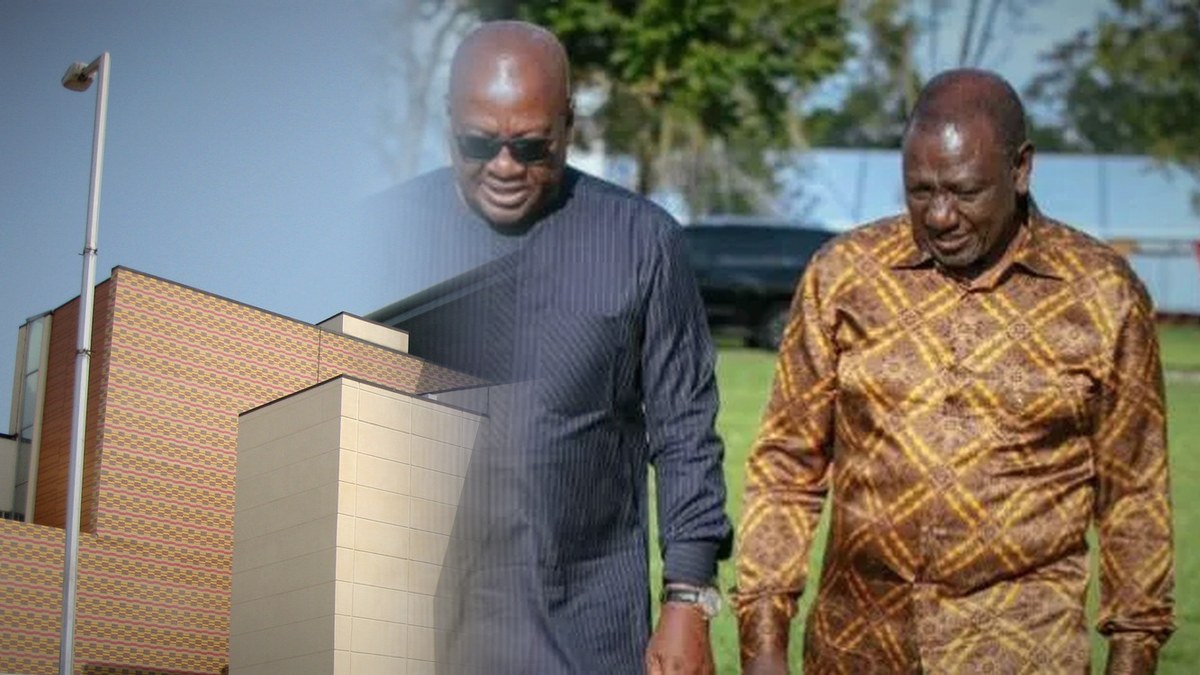
Ghana tightens airport screening over Ebola risk from Kenya flights
Germany makes integration language test harder from November 1: what it means for Kenyans heading there

Abiy Ahmed at Mashujaa Day: 'History made us brothers, our choices must make us partners'

El Salvador bars entry to travellers from Kenya and seven other African countries over Ebola, as US raises advisory to Level 3

Nigeria records first Ebola case in Abuja as regional outbreak widens
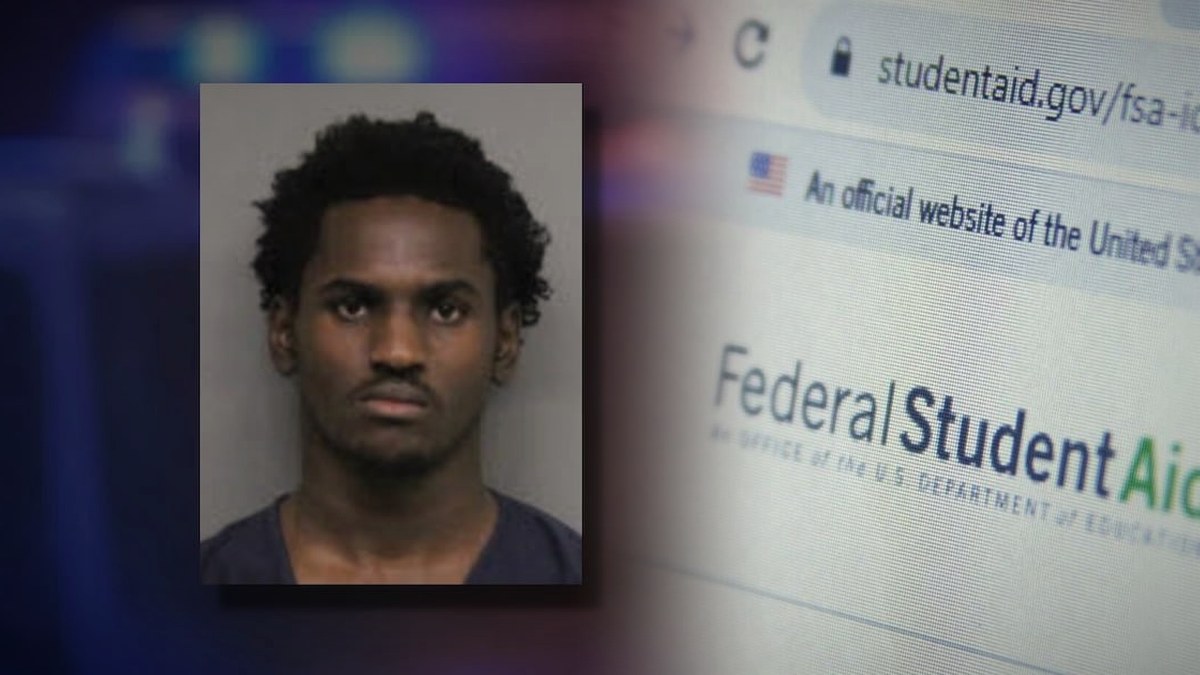
Kenyan man in Nebraska accused of using stolen US identities to cash Sh2.56m in student aid cheques
Global Community Remarks
0