
Quickmart IPO: Global funds pledge Sh7.12bn as local investors' share of the offer is cut to 44%
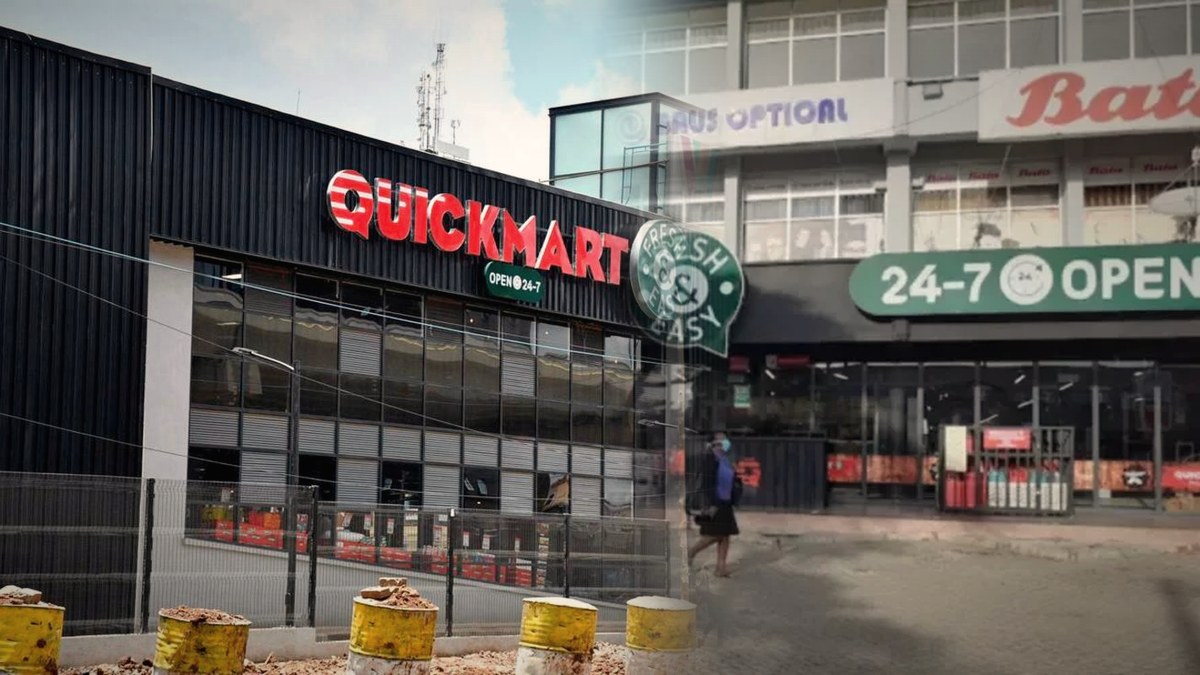
Four international investors have committed up to Sh7.12 billion to Quickmart's initial public offering, a show of institutional appetite that comes at a cost to local buyers, whose share of the offer has been sharply reduced under a revised allocation approved by the Capital Markets Authority (CMA).
A supplementary information memorandum approved by the CMA on October 23 lists the International Finance Corporation (IFC), the UK government-backed MOBILIST programme, London-based RWC Asset Management and US frontier-markets fund 337 Frontier Capital as cornerstone investors. Together, their pledges cover about 47.5 per cent of the Sh15 billion offer if all four take up their full amounts.
Who is buying
MOBILIST and 337 Frontier Capital have each applied for about Sh1.94 billion worth of shares, while RWC Asset Management, part of the Redwheel Group, has applied for about Sh1.3 billion. Those three applications, worth roughly Sh5.18 billion, have already been accepted by Quickmart and the selling shareholder.
The IFC, the private-sector arm of the World Bank, has made a conditional commitment of up to Sh1.94 billion that still requires approval by its board, meaning the full Sh7.12 billion is not yet locked in. All four investors will buy at the offer price of Sh7.50 per share.
MOBILIST, which is run by the UK's Foreign, Commonwealth and Development Office, had already been reported as a buyer earlier this month. Its participation builds on a 2024 partnership with the Nairobi Securities Exchange (NSE) aimed at expanding the pool of listed investment opportunities.
Smaller slice for Kenyans
The new memorandum reshapes how the two billion shares on offer will be shared out. Under the revised framework, 12 per cent is set aside for Kenyan and East African retail investors, 32 per cent for regional institutional investors, 8 per cent for other foreign investors and 48 per cent for cornerstone investors.
According to the Business Daily, local retail and institutional investors were originally allocated up to 67 per cent of the shares, a ceiling now cut to 44 per cent. Cornerstone investors were initially offered just 13 per cent, worth about Sh1.95 billion, while the general foreign pool has been trimmed from 20 per cent to 8 per cent.
The memorandum notes that the indicative allocations are not binding and may be adjusted by the issuer, and the pools can shift depending on demand and regulatory requirements.
"We welcome the commitments from IFC, MOBILIST, RWC Asset Management and 337 Frontier as we broaden Quickmart's ownership," chief executive Peter Kang'iri said, as quoted by The Star.
Money goes to sellers, not the company
The IPO is a secondary sale. The shares being offered, equal to half of Quickmart's issued capital, belong to Sokoni Retail Kenya Limited, so the Sh15 billion raised will go to existing shareholders rather than into the retailer's books. Quickmart says it will fund its expansion mainly from internally generated cash.
The Business Daily reports that Sokoni's owners, led by private equity firm Adenia with about 51 per cent, the family of the late founder John Kinuthia, the founders of Tumaini Supermarket and Mr Kang'iri himself, are each selling half of their holdings. Adenia alone stands to collect about Sh7.6 billion.
Quickmart, the country's second-largest supermarket chain after Naivas, runs 72 stores in 16 counties. It reported revenue of Sh50.4 billion for the year to December 2025, while net profit rose 33 per cent to Sh1.51 billion. The company has said it aims to pay out at least 80 per cent of its earnings as dividends.
What happens next
The offer price and timetable are unchanged. Applications close at 5pm on Friday, October 30, results and allocations are due on November 6, and the shares are scheduled to start trading on the NSE's Main Investment Market Segment on November 12, subject to the offer's conditions. Investors who have already applied do not need to take any further action.
Analysts note that cornerstone backing signals confidence but does not guarantee the success of the offer or how the shares will perform once trading begins, which will depend on the retailer's ability to keep growing sales and protecting margins in a crowded market.
Photos: Business Daily, The Star



Know what people say about you.
Media monitoring, audience insights and strategic communication for your brand.


More in Business
See all
Taxpayers face Sh180bn bill if Rironi-Mau Summit highway deal is ever cancelled, Treasury says
NSE adds 333,000 investors in nine months as stockbrokers rake in up to Sh14bn from bull run
Firms and wealthy Kenyans pile Sh1.52 trillion into dollar accounts as election and global shocks loom
Kenya's public debt climbs to Sh13.48 trillion, up 55% since Ruto took office
Housing Board cancels sale of shops at Eldoret Pioneer estate, nine days after Ruto handed over keys

KenGen names commercial boss Ronoh Kibet as next CEO to succeed retiring Peter Njenga
Global Community Remarks
0