
Kenya's public debt climbs to Sh13.48 trillion, up 55% since Ruto took office

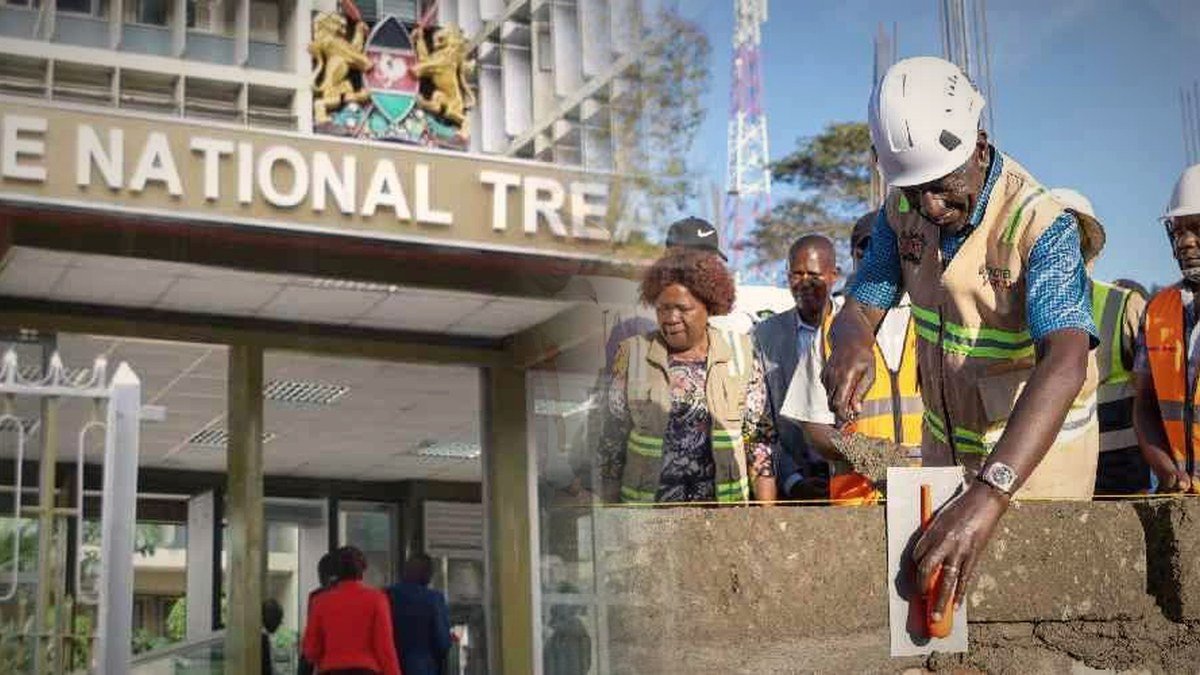
Kenya's public debt rose to about Sh13.475 trillion in August, according to Central Bank of Kenya (CBK) data, a 54.9 per cent increase since President William Ruto took office nearly four years ago.
The figure, contained in the CBK's weekly bulletin dated October 23 and first reported by The Standard on Tuesday, is Sh4.77 trillion higher than the Sh8.701 trillion the country owed in September 2022, the month Dr Ruto was sworn in.
The new number shows how quickly the debt pile has kept growing even after the government promised to slow borrowing. In late May, People Daily reported that total public debt had crossed the Sh13 trillion mark for the first time, with domestic debt at about Sh7.24 trillion in mid-May and external debt at Sh5.78 trillion, giving a combined estimate of roughly Sh13.02 trillion. The August reading suggests that more than Sh450 billion has been added since then, although the two figures were compiled for slightly different dates.
Why it keeps rising
The government borrows to fill the gap between what it collects in taxes and what it spends. That gap is not closing quickly. In the draft 2027 Budget Policy Statement released this month, the National Treasury projected a fiscal deficit of Sh1.353 trillion, or 5.9 per cent of gross domestic product, for the 2027/28 financial year, wider than the 5.5 per cent targeted for the current year.
The same draft plans to borrow about Sh929.1 billion from the domestic market and Sh423.8 billion from foreign lenders next year, a shift towards external loans that eases pressure on local banks but raises exposure to exchange-rate swings.
The Kenya Revenue Authority also missed its first-quarter collection target by Sh58.2 billion, the Daily Nation reported earlier this month, adding to the pressure on the Treasury to borrow.
Election-year pressure
The Standard framed the rising stock as a growing burden on government spending in the months before the August 2027 General Election, a period when demands for development projects, security and election funding typically rise.
In a companion analysis, the paper examined how the President's large infrastructure projects, including roads, housing and energy schemes, have been financed, noting scrutiny over rising costs and the use of financing arrangements that do not always appear in the headline debt figures.
Some of those arrangements, such as public-private partnerships and securitised borrowing against future revenue streams like the road maintenance levy, create obligations that taxpayers may have to meet later even if they are not counted as conventional loans.
What it means for households
A larger debt stock means a bigger share of tax revenue goes to interest and principal repayments instead of services. The Treasury's draft plan for 2027/28 already has recurrent spending, which includes interest payments and salaries, crossing Sh4 trillion for the first time while development spending shrinks.
Heavy domestic borrowing also competes with businesses and households for bank credit, which can keep lending rates high. The International Monetary Fund warned last week that the cost of loans for Kenya and other African governments was rising.
The government has argued that its borrowing is financing projects that will pay for themselves through growth, and that the share of debt to GDP is on a downward path. Critics, including opposition leaders and some economists, say the pace of accumulation leaves little room to respond to shocks such as the current surge in global oil prices.
Photos: The Standard


Grow an audience that listens.
Social media management, digital campaigns and online storytelling that converts.



More in Business
See all
Taxpayers face Sh180bn bill if Rironi-Mau Summit highway deal is ever cancelled, Treasury says
NSE adds 333,000 investors in nine months as stockbrokers rake in up to Sh14bn from bull run
Firms and wealthy Kenyans pile Sh1.52 trillion into dollar accounts as election and global shocks loom
Housing Board cancels sale of shops at Eldoret Pioneer estate, nine days after Ruto handed over keys
KenGen names commercial boss Ronoh Kibet as next CEO to succeed retiring Peter Njenga
IMF: Kenya passed up to 62% of global fuel price surge to motorists as subsidy cushion wears thin
Global Community Remarks
0