
IMF: Kenya passed up to 62% of global fuel price surge to motorists as subsidy cushion wears thin

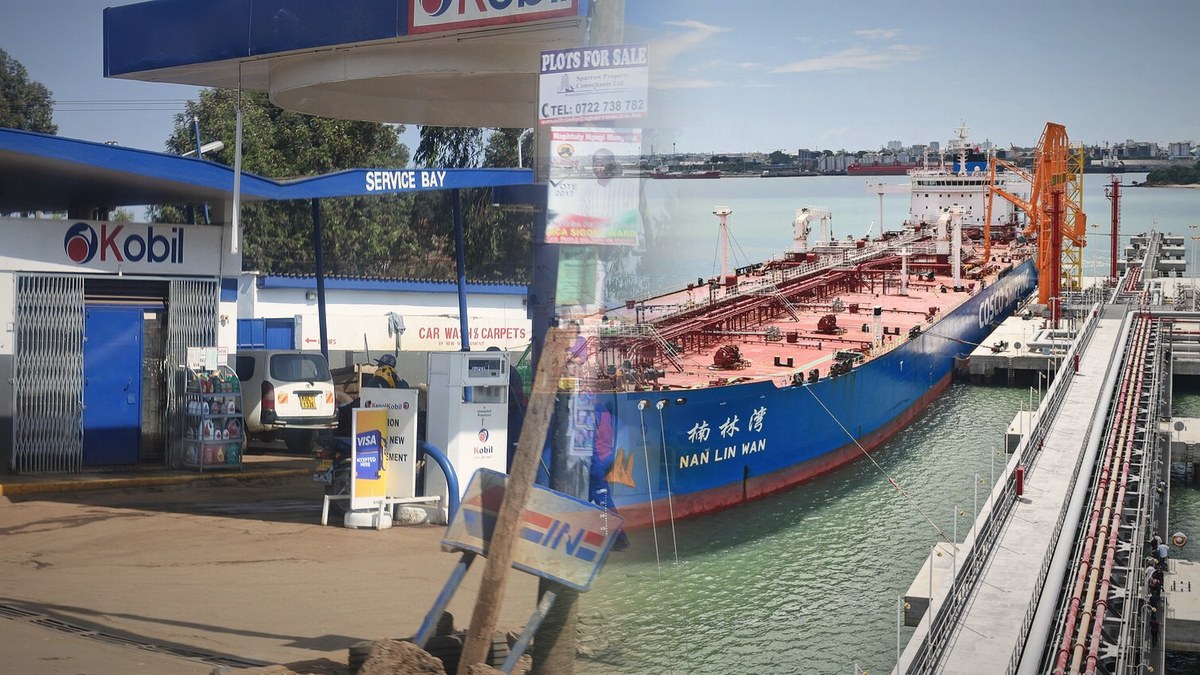
Kenyan motorists have been spared a large part of this year's surge in global fuel costs, but the cushion is costing the Treasury billions of shillings every month and is now running thin, according to an International Monetary Fund (IMF) analysis reported by the Business Daily on Sunday, October 25, 2026.
The IMF found that between February and September 2026, Kenya passed on 52 per cent of the rise in landed costs of super petrol and 62 per cent of the rise for diesel to consumers at the pump. The rest was absorbed through tax cuts and subsidies.
How Kenya compares
The figures place Kenya among the more protective countries in the region. Rwanda passed on more than the full increase, at 125 per cent for petrol and 111 per cent for diesel, meaning retail prices rose faster than import costs. Tanzania passed on 67 per cent for petrol and 65 per cent for diesel. Ethiopia shielded consumers the most, passing on only 38 per cent and 44 per cent respectively.
Notably, Kenya gave petrol users more relief than diesel users, even though diesel powers most of the country's trucks, buses, farm machinery and backup electricity generation, which means diesel costs feed more directly into the prices of food and other goods.
The gap between import costs and pump prices
Between January and July 2026, the landed cost of petrol rose 64.6 per cent, from $576.34 to $948.92 per cubic metre, while diesel climbed 36.5 per cent, from $626.75 to $855.59. Over the same period, Nairobi pump prices rose 20 per cent for petrol and 30.8 per cent for diesel.
In the February-March pricing cycle, petrol retailed at Sh178.28 and diesel at Sh166.54 a litre in Nairobi. By the August-September cycle, they had climbed to Sh214.03 and Sh217.86. The steep rise followed the outbreak of the US and Israel war on Iran, which pushed up crude prices.
Two tools, both under strain
Kenya has relied on two main buffers. The first is the fuel stabilisation fund, financed by the petroleum development levy of Sh5.40 per litre on petrol and diesel. The second is a cut in value added tax on fuel from 16 per cent to 8 per cent, first introduced on April 14, 2026.
Both are showing signs of strain. In the current October 15 to November 14 cycle, the Energy and Petroleum Regulatory Authority (EPRA) applied no subsidy to either petrol or diesel. EPRA said it was saving the stabilisation fund to cushion consumers against further increases expected in November and December. Nairobi pump prices rose by Sh12.93 to Sh226.96 for petrol and by Sh9.90 to Sh227.76 for diesel, with kerosene jumping Sh28.49 to Sh219.87.
The VAT cut is also expensive. The Business Daily estimates the Treasury has been losing about Sh9 billion a month, about Sh54 billion so far. MPs last week voted to extend the relief by three more months, at an estimated cost of Sh27 billion, which would take the total to about Sh81 billion, or roughly 0.45 per cent of GDP.
IMF: relief is poorly targeted
The IMF criticised the blanket nature of fuel support across the countries it studied, saying it mostly benefits better-off households.
"Generalised price relief is poorly targeted because better-off households typically receive a lion's share of benefits," the Fund said.
It noted that broad price-smoothing measures can cost up to 4 per cent of GDP, while direct transfers to the poorest 40 per cent of the population would cost about 0.5 per cent. It warned that "losses must not accumulate off budget in importers, utilities, or transport companies," and urged governments to budget for fuel relief openly, cap it, set an end date and plan a credible exit.
What it means for the festive season
The next EPRA review, due around November 14, will be based on October import costs and the exchange rate. With no subsidy in the current cycle and global prices still high, households and businesses face the prospect of costly fuel heading into the December holiday travel season, when demand typically peaks. The VAT relief, now extended into January 2027, remains the main shield.
Photos: flightlog/Wikimedia Commons (Nairobi petrol station, CC BY 2.0); Business Daily (fuel tanker at Mombasa port)


Grow an audience that listens.
Social media management, digital campaigns and online storytelling that converts.



More in Business
See all
KenGen names commercial boss Ronoh Kibet as next CEO to succeed retiring Peter Njenga
How Dangote's KPC deal nearly collapsed over 46 cents a share
APA Apollo takes control of two Tanzanian insurers in push beyond Kenya

Treasury's Sh5.4 trillion plan for 2027/28: Recurrent spending crosses Sh4 trillion as development budget shrinks

DStv cuts top package by Sh4,400 and trims lineup to four bouquets as subscribers drift to streaming

NSE market value crosses Sh4 trillion for the first time, but share trading slumps 72%
Global Community Remarks
0