
How Dangote's KPC deal nearly collapsed over 46 cents a share

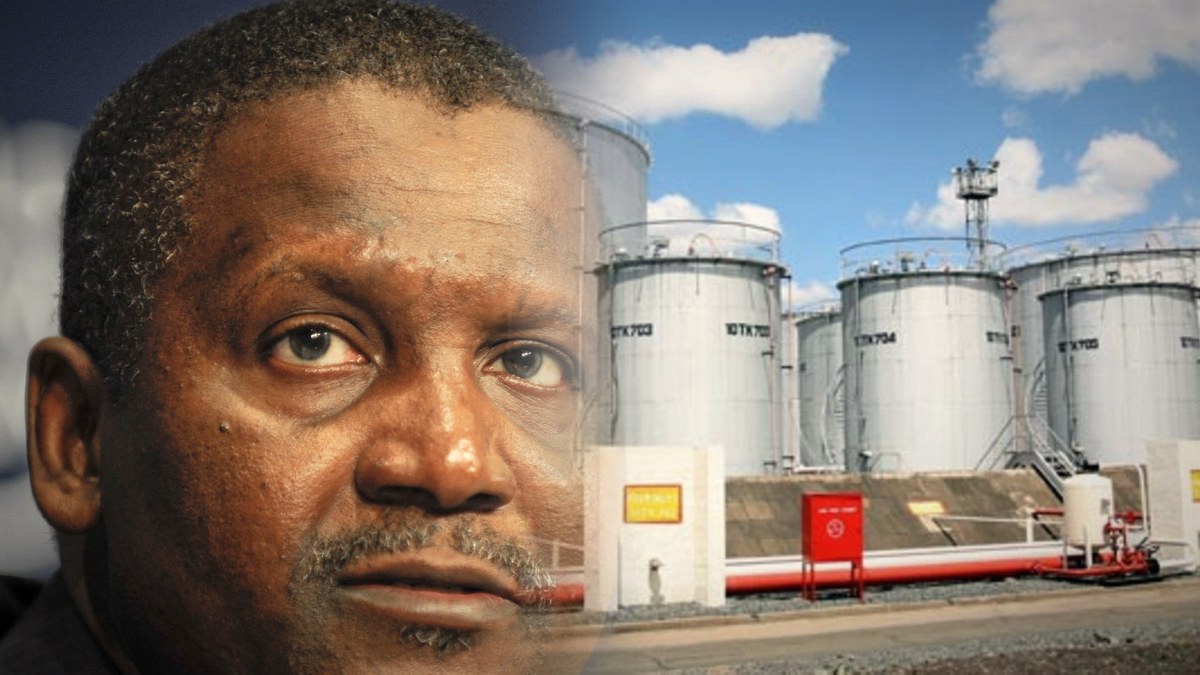
Fresh details have emerged of how close Aliko Dangote's Sh42.5 billion purchase of a near-25 per cent stake in Kenya Pipeline Company (KPC) came to collapsing, with state-linked pension funds and the Nigerian billionaire stuck for weeks over a gap of just 46 cents a share.
According to an account published by the Business Daily on Sunday, October 25, 2026, the eight pension schemes that sold the shares wanted Sh9.50 per share, a premium of about 5.3 per cent over KPC's price on the Nairobi Securities Exchange (NSE). Dangote, Africa's richest man, reportedly threatened to walk away if they insisted.
From Sh10 to Sh9.04
Kenne Belgrad, managing director of Rock Investment Bank, which acted as the selling broker, told the paper that talks started at Sh10 a share before the sellers came down to Sh9.50.
"We began initial discussions with Dangote with an asking price of Sh10 and then brought it down to Sh9.50," Mr Belgrad was quoted as saying.
After four rounds of negotiation, the funds settled for Sh9.04 per share, barely above the Sh9.02 market price at the time. To bridge the gap, Dangote agreed to close the deal before KPC's books closed for its dividend, leaving the sellers to collect the Sh0.32-per-share payout, worth about Sh1.4 billion on the block. Factoring in that dividend, the effective price paid works out at about Sh9.36 per share, the Business Daily reported. Money254 carried the same figures on Monday.
Broker rejects claims pensioners lost out
The sale has drawn criticism from opposition politicians, who have questioned why public pension money was used to buy KPC shares in its initial public offering only for the stake to be sold to a single foreign investor less than eight months later.
Mr Belgrad dismissed suggestions that the funds lost money, saying the deal gave them a return of about 4 per cent over the holding period, or roughly 8 per cent annualised, above inflation and close to Treasury bill rates, with transaction costs capped at about 1 per cent.
"The narrative that money was lost is misguided and malicious," he said, according to the Business Daily.
Who sold
The National Social Security Fund (NSSF), the Public Service Superannuation Fund and the County Pension Fund sold part of their holdings. Lapfund, Laptrust, the Kenya Power Pension Scheme and the Kenya Ports Authority Pension Scheme exited completely. The Unclaimed Financial Assets Authority and Kenya Re, which do not use external fund managers, did not sell.
State-backed agencies had held a combined 38.35 per cent of KPC after the listing. Their combined holdings have now dropped below 15 per cent.
Ruto: 'I know what I am doing'
The deal has become a political talking point. Speaking at AIC Kasina church in Mwingi on Sunday, President William Ruto hit back at critics, accusing them of wanting to buy state shares cheaply and resell them for profit.
"There is no way we are going to undervalue Kenya Pipeline shares to benefit brokers and loan sharks like you," the President said, as reported by Eastleigh Voice.
Ruto said KPC's share price had gained about 10 per cent within a week of Dangote's entry and predicted it could double or triple in four to five years. People's Party of Kenya leader Ndindi Nyoro has questioned whether the purchase is part of a wider plan to hand Dangote majority control of the pipeline operator.
New ownership map
KPC shares, offered at Sh9 in the IPO, rallied to an all-time high of Sh10.55 on Friday. The government remains the largest shareholder with 35 per cent, Dangote is second with about 24.76 per cent, and Uganda holds 20.15 per cent through the Uganda National Oil Corporation.
Under KPC's articles of association, a shareholder group with at least 20 per cent can nominate a director, meaning Dangote is expected to get a seat on the board. His investment comes weeks after he broke ground on a refinery project in Lamu.
Photos: World Economic Forum/Wikimedia Commons (Aliko Dangote, CC BY-SA 2.0); Business Daily (KPC storage tanks)


Grow an audience that listens.
Social media management, digital campaigns and online storytelling that converts.



More in Business
See all
Taxpayers face Sh180bn bill if Rironi-Mau Summit highway deal is ever cancelled, Treasury says
NSE adds 333,000 investors in nine months as stockbrokers rake in up to Sh14bn from bull run
Firms and wealthy Kenyans pile Sh1.52 trillion into dollar accounts as election and global shocks loom
Kenya's public debt climbs to Sh13.48 trillion, up 55% since Ruto took office
Housing Board cancels sale of shops at Eldoret Pioneer estate, nine days after Ruto handed over keys
KenGen names commercial boss Ronoh Kibet as next CEO to succeed retiring Peter Njenga
Global Community Remarks
0