
First 20 Ebola contacts walk out of quarantine as 98 others wait for release in four waves from November 3

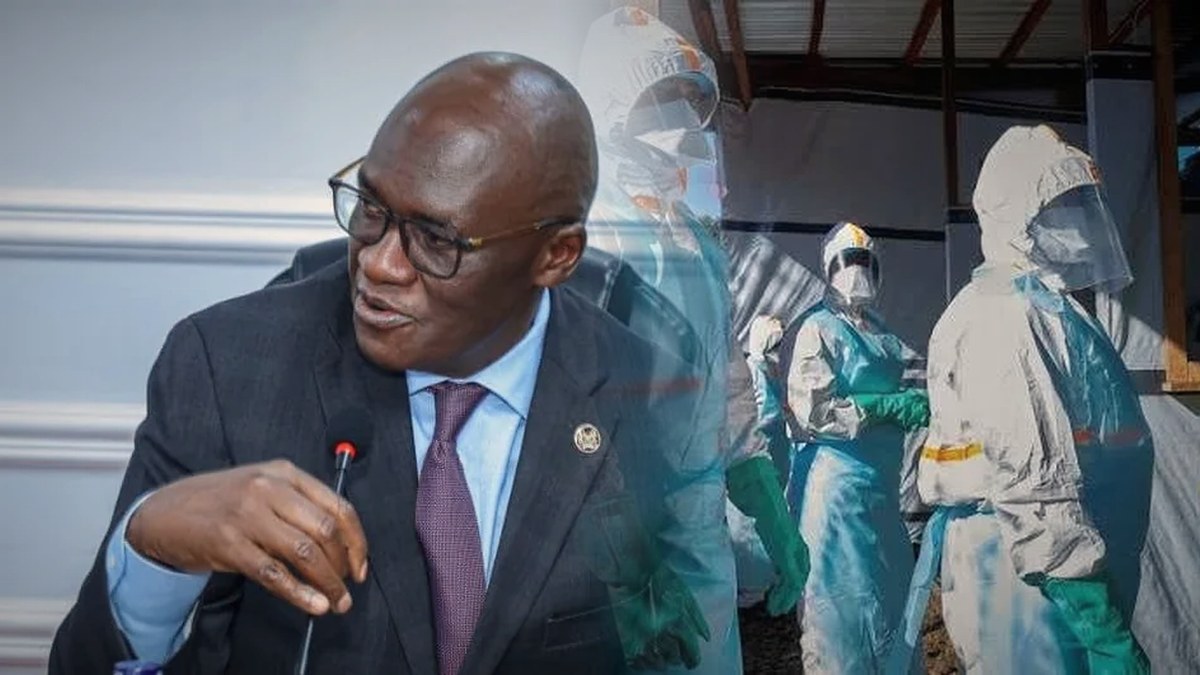
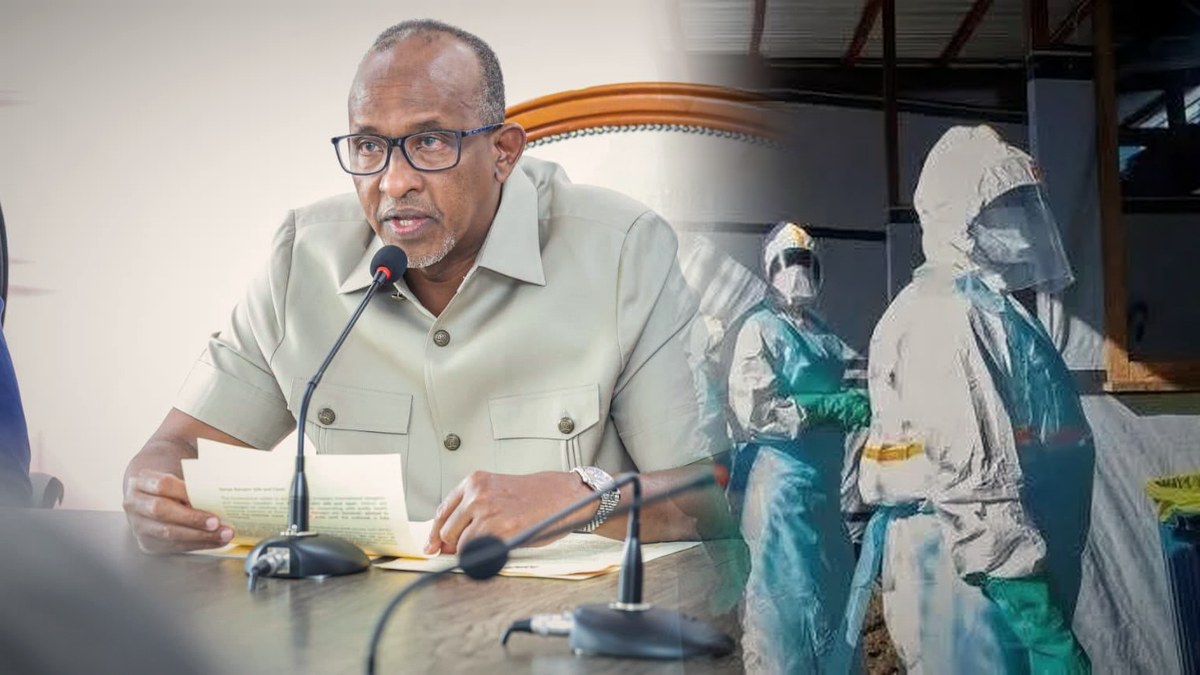
Twenty people who were placed under quarantine after coming into contact with Kenya's Ebola patients went home on Monday, October 26, the first group to be released since the country confirmed its outbreak of Bundibugyo virus disease earlier this month.
Director General for Health Dr Patrick Amoth said the 20 had completed the mandatory 21-day monitoring period without developing any symptoms, were in good health and met all the criteria for release. Another 98 contacts remain in quarantine and will be let out in four waves starting November 3, depending on individual health assessments, the Ministry of Health said.
The release is the clearest sign yet that the government's containment strategy, which has relied on tracing and isolating everyone linked to the first patient, is holding. It comes a day after Health Cabinet Secretary Aden Duale said Kenya was roughly halfway through the 42-day countdown required before the outbreak can be declared over.
'They pose no risk'
Before leaving, each of the 20 was checked against the release criteria, which include going 21 days without any symptoms since their last exposure. The World Health Organization (WHO) said they were also given a final health assessment, counselling on precautions to take after discharge and follow-up where needed.
Amoth asked families, workplaces and neighbourhoods to receive them without fear. "We ask communities to welcome them home warmly," he said, according to WHO, adding that after 21 symptom-free days the released contacts "pose no risk of infection to anyone."
The ministry warned against stigma and discrimination, saying those coming out of quarantine "do not pose any risk to their families, colleagues or neighbors," as reported by Kenyans.co.ke. Mental health professionals are offering counselling and psychosocial support to contacts, patients and front-line health workers.
WHO Representative to Kenya Dr Neema Rusibamayila Kimambo praised those who went through quarantine. "People who complete quarantine have helped protect their families, their communities and the whole country," she said, commending the ministry, the Kenya National Public Health Institute and county health teams for responding quickly to each new case.
Nine cases, one cluster
Kenya confirmed its first imported case on October 6. The patient, a Kenyan who had been living in the Democratic Republic of Congo (DRC), travelled into the country through Uganda without being detected and later died in Nairobi.
According to the latest ministry figures, the country has recorded nine confirmed cases and two deaths, a case fatality rate of 22.2 per cent. Seven patients are stable in treatment units. WHO said eight of the cases were people who were already in quarantine when they developed symptoms and tested positive, after which they were moved to an Ebola treatment centre in Nairobi. All nine belong to one connected group, and officials say there is no evidence of spread in the wider community.
WHO said a total of 135 contacts had been traced in Kenya and abroad and placed in quarantine by October 22. Genomic sequencing of three samples has linked the infections to the first case and to the Bundibugyo lineage circulating in the DRC, while six more samples are still being analysed, The Standard reported.
Not over yet
Amoth cautioned that the response is far from complete. "The outbreak will be declared over only after 42 days," he said, as quoted by The Standard. That countdown begins once the last confirmed patient has tested negative twice, at least 48 hours apart, and is discharged or safely buried.
Screening continues at border points, health facilities and in communities, and hospitals have been told to tighten infection prevention measures. Travel, trade and public gatherings remain unrestricted, in line with WHO advice against travel bans.
The ministry urged anyone with fever, unusual tiredness, pain, vomiting, diarrhoea or unexplained bleeding, especially after possible exposure or travel to the DRC, to seek care promptly and disclose their exposure history.
There is no licensed vaccine or specific treatment for the Bundibugyo strain, although early detection and supportive care improve the chances of survival. The wider outbreak in the DRC has killed more than 4,600 people since May.
Neighbouring Uganda on Sunday discharged all 60 people it had traced as contacts of Kenya's first patient after none developed symptoms.
Photos: The Eastleigh Voice, Capital FM
Every moment, captured beautifully.
Events, corporate portraits, products and editorial shoots by our newsroom photographers.





More in Health
See all
Duale says Murang'a's AfyaKE health system ran on an NIS platform, deepening row with Kang'ata over switched-off records

Nigeria flies its only Ebola patient to Switzerland as health officials watch 53 contacts

Barasa: Stalled Sh6.2bn Kakamega Level Six hospital to be commissioned before year end
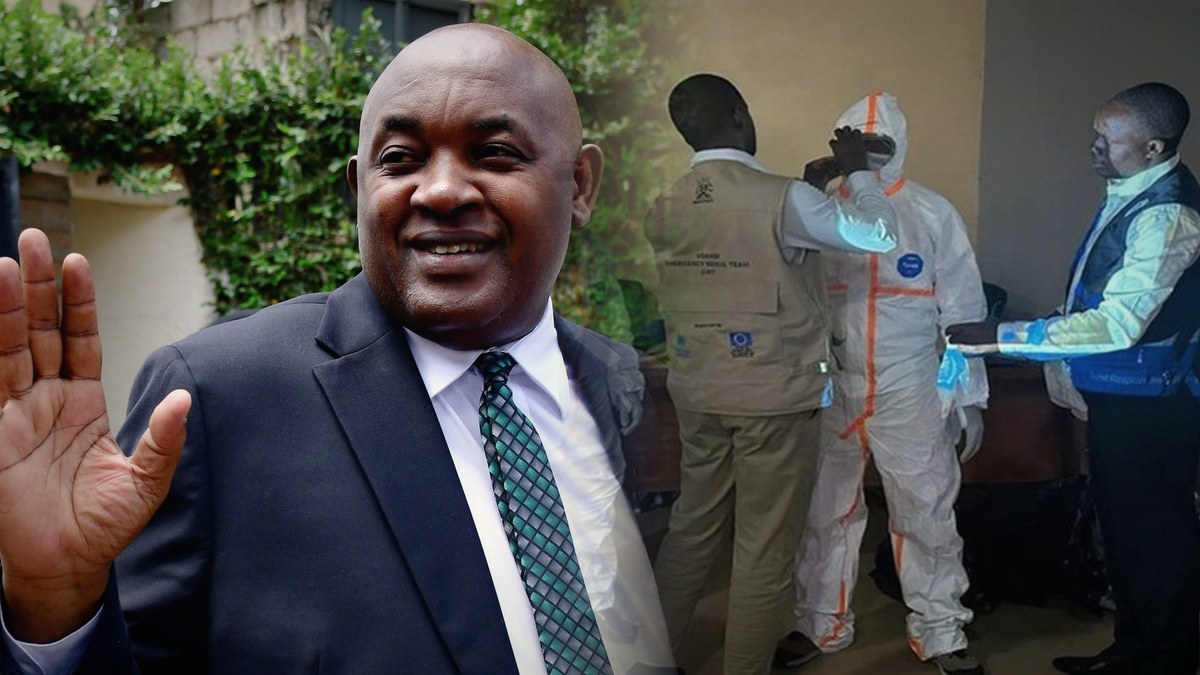
Uganda clears 60 contacts of Kenya's first Ebola patient, orders paid quarantine for Congo returnees
SHA resumes verification of NHIF debts of Sh10 million and above owed to hospitals
Kenya halfway through 42-day countdown to Ebola-free status, Duale says
Global Community Remarks
0