
Seven education bills move to stakeholder stage as MPs call in TSC, Ministry after county hearings

Seven bills that could reshape how Kenya runs its schools, tests learners and funds university students have entered a new stage in Parliament. The National Assembly's Departmental Committee on Education has finished public hearings in all 47 counties and is now turning to the institutions that will have to implement the changes.
This week the committee, chaired by Tinderet MP Julius Melly, begins what it calls Phase One of stakeholder engagement. According to Teachers Arena and Education News, it will hear from the Teachers Service Commission (TSC), the Ministry of Education, umbrella bodies representing government agencies, and non-governmental organisations.
The bills on the table
The package before the committee, as listed by Teachers Arena, is:
• the Tertiary Education, Placement and Funding Bill;
• the Pre-Service Education and In-Service Training Bill, 2026;
• the Basic Education (Amendment) Bill, 2026;
• the Kenya Institute of Curriculum Development (Amendment) Bill, 2026;
• the Kenya National Educational Assessments Council Bill, 2026;
• the Kenya National Qualifications Framework (Amendment) Bill, 2026; and
• the Teachers Service Commission (Amendment) Bill (National Assembly Bill No. 64 of 2026).
Earlier coverage spoke of six bills. The TSC amendment bill appears to be the latest addition.
What would change in schools
The Basic Education (Amendment) Bill carries some of the most far-reaching proposals. It would classify schools as either public or private and provide for comprehensive schools that combine primary and junior secondary. Basic education would be compulsory, and public schools would be barred from setting admission tests.
The bill would ban corporal punishment and guarantee re-admission for learners who drop out because of pregnancy or financial hardship. It would remove teacher and student representatives from boards of management. County Education Boards would stay, chaired by the County Commissioner with the County Director of Education as secretary.
It would also create a Director of school inspection, give more weight to the Kenya Education Management Information System (KEMIS), and make school heads personally liable for collecting illegal fees. The Cabinet Secretary would get wider powers.
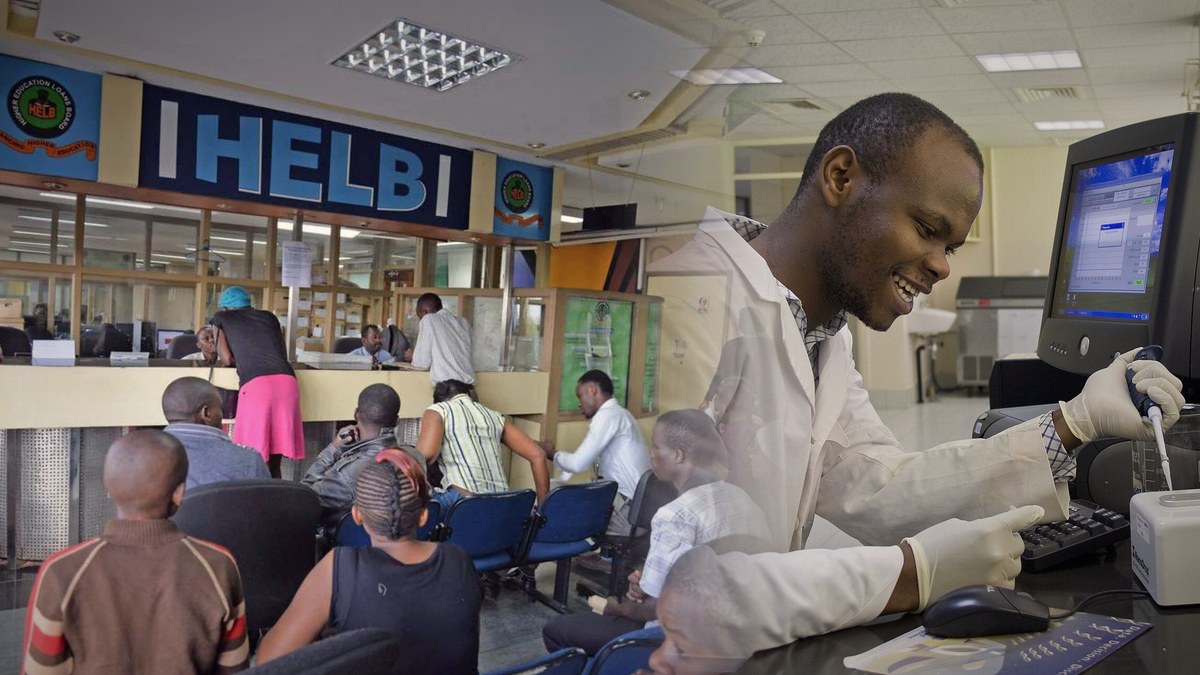
The tertiary bill deals with how students are placed in universities and colleges and how they are funded. Earlier reporting has linked it to proposals to merge HELB, the Universities Fund and the TVET funding board into one agency. This comes at a time when students are complaining about delayed loans and lecturers are on strike.
From counties to the floor of the House
The county hearings opened on September 14 and closed on October 2 in Bomet. Teachers' unions, parents, school heads and education officials made submissions. Education News notes that the proposals touch on teacher management, school governance, curriculum development, assessment and tertiary funding.
Once the stakeholder sessions are over, the committee plans a retreat to go through the submissions. It will then review the bills clause by clause, propose amendments and table a report in the House for debate and a vote.
None of the seven bills has become law yet. The timeline is tight: the 13th Parliament has less than a year left before the August 2027 General Election, and any bill not passed by then lapses. Earlier this month, Parliament's record shows, a statement on the education bills was deferred while the committee continued its work.
For the TSC and the Ministry, the hearings are a chance to push back on provisions they see as overlapping or unworkable. That is likely to include the new powers for the Cabinet Secretary and the changes to how teachers are trained and managed.
Photos: Education News (Education Committee chair Julius Melly receives a KNUT submission during public participation); Jorge Láscar/Wikimedia Commons, CC BY-SA 2.0 (Parliament Buildings, Nairobi)


Grow an audience that listens.
Social media management, digital campaigns and online storytelling that converts.



More in Education
See all
KNEC releases July 2026 TVET business and technical exam results, sets December 7 query deadline
HELB releases 12 more loan batches as university and TVET students wait for upkeep money

Kibabii University to award Bungoma Governor Lusaka honorary doctorate at November graduation

KPSEA, KJSEA enter day two with no major incidents as 342,005 officials man exam centres
Lecturers reject Sh11.95bn offer as letter shows ministry still waiting on Treasury to fund it
Global Community Remarks
0