
UN allocates over Sh259 million to boost Kenya’s Ebola preparedness as cases rise to nine

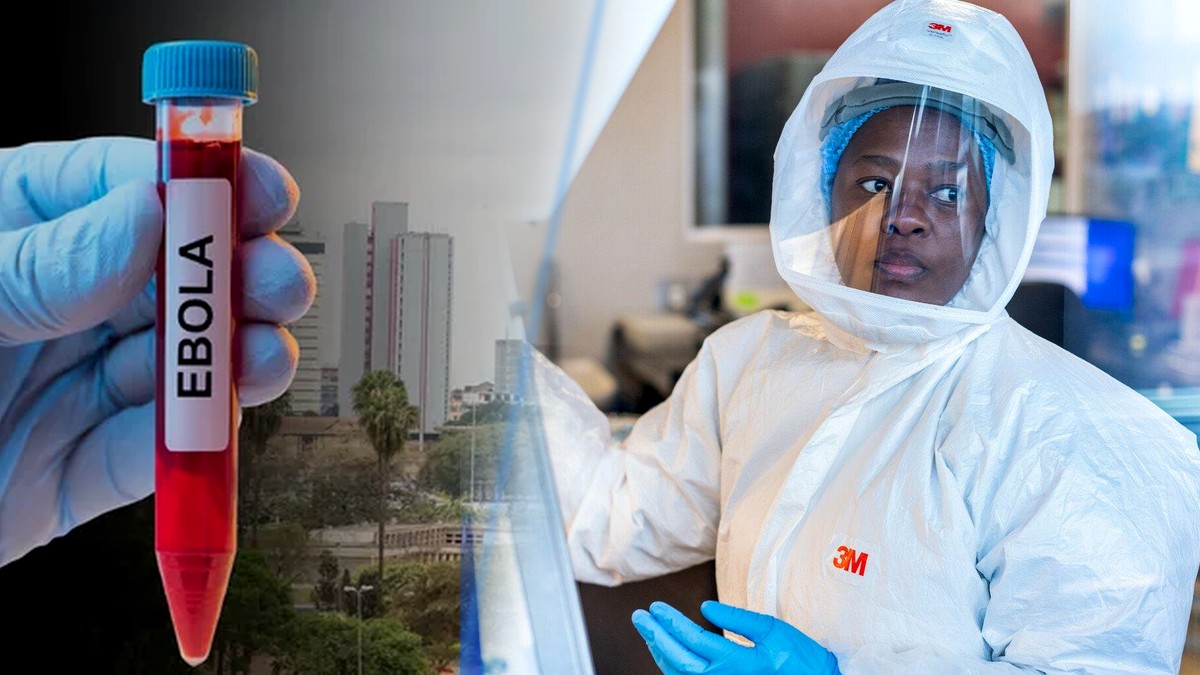
The United Nations has allocated more than $2 million (over Sh259 million) to help Kenya contain the Ebola outbreak, as the number of confirmed cases in the country rises to nine, including two deaths.
The money comes from the Kenya Humanitarian Fund, which is managed by the UN Office for the Coordination of Humanitarian Affairs (OCHA). UN spokesperson Daniela De Almeida announced the allocation at a news conference on Tuesday, October 27.
What the money will pay for
According to OCHA, the funding will support government-led efforts to stop further transmission, with a focus on high-risk border crossings. It will help humanitarian partners to:
- Strengthen surveillance at border points.
- Train rapid response teams.
- Equip frontline responders, including with emergency health and infection prevention kits.
- Run public information campaigns on Ebola prevention and early detection.
The UN said part of the support will target high-risk refugee and travel routes linked to the Kakuma refugee complex in Turkana County.
The outbreak so far
Kenya confirmed its first imported case of Bundibugyo Ebola virus disease on October 6, 2026. The patient, a Kenyan who had been living in the Democratic Republic of Congo, travelled through Uganda and arrived in Nairobi on October 3.
As of October 26, the Ministry of Health had reported nine confirmed cases, most of them linked to the first imported infection. Two patients have died: the first case, a 40-year-old man, and a 65-year-old woman who was a close family member.
By October 23, 135 contacts were in quarantine and more than 709,000 travellers had been screened at entry points since the outbreak began.
More money in the pipeline
The UN allocation adds to support from other partners. Kenya is also set to receive about Sh51 billion from the World Bank under its Rapid Response Option, money meant to cover the Ebola response as well as preparations for El Niño rains and high energy prices. Disbursement is expected before the end of 2026.
Health officials continue to urge Kenyans to report symptoms such as fever, unexplained bleeding, vomiting and diarrhoea early, and to avoid contact with the bodily fluids of sick people.
Photos: Kenyans.co.ke; Gazette Nigeria. Thumbnail design: HAMASTA MEDIA.


Take your event live to thousands.
Multi-camera live streams, panel discussions and digital broadcasts with professional crews.




More in Health
See all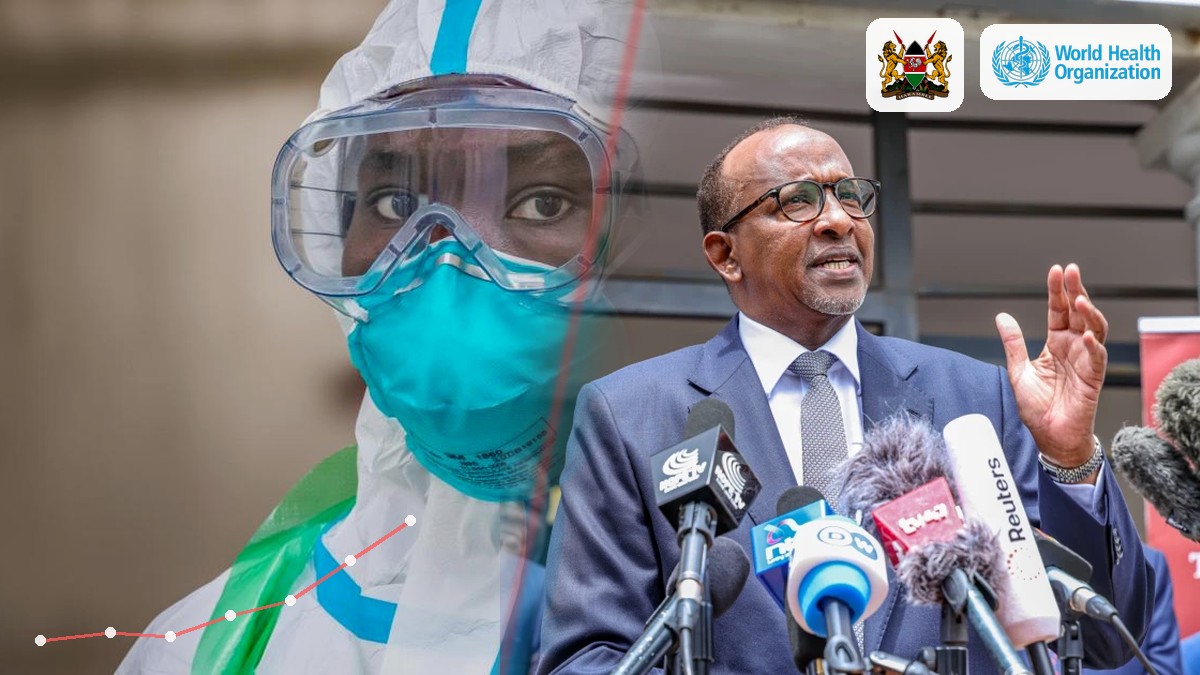
Is Kenya ready for Ebola? 244 beds, donor money and no vaccine for the Bundibugyo strain

Doctors open CBA talks with Health Ministry and counties, want 2025-2029 deal signed by December
Kenya frees first 20 Ebola contacts after 21 days without symptoms; 98 still in quarantine
Vihiga sets up five Ebola isolation units and trains over 100 health workers as counties step up preparedness
Makueni waives hospital, mortuary and postmortem bills for victims of Kanga church bus crash
SHA says State pays for indigent Kenyans as it lays out options for those who cannot afford premiums
Global Community Remarks
0