
Kenya frees first 20 Ebola contacts after 21 days without symptoms; 98 still in quarantine

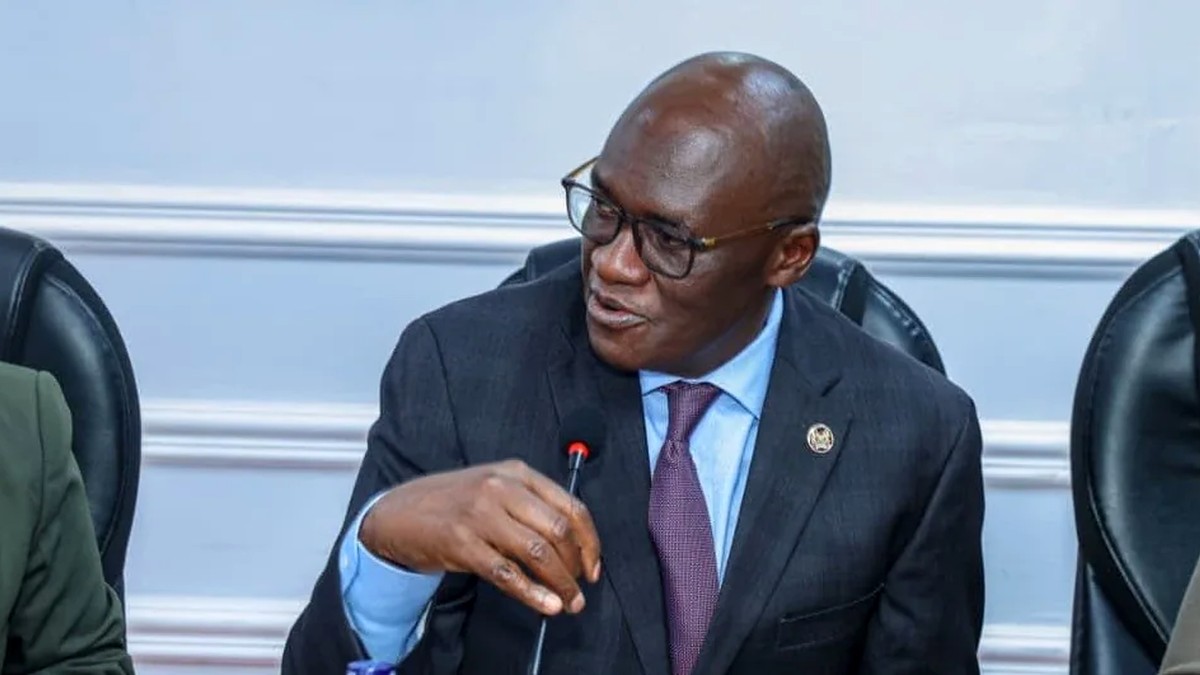
Twenty people placed in quarantine after close contact with Kenya's Ebola patients have been allowed to go home after 21 days of monitoring without any symptoms. It is the first group of contacts released since the outbreak reached the country earlier this month.
The Ministry of Health announced the release on Monday, October 26. It said all 20 were in good health, no longer needed monitoring and posed no risk to their families, workmates or neighbours. A further 98 contacts remain in quarantine.
"We cannot afford to drop our vigilance"
Health Director-General Dr Patrick Amoth welcomed the milestone but warned against complacency. "We cannot afford to drop our vigilance until we reach that point," he said, referring to the formal end of the outbreak. He asked communities to receive the returning contacts without discrimination.
The World Health Organization's representative in Kenya, Dr Neema Rusibamayila Kimambo, said people who complete quarantine help protect their families, communities and the country, UN News reported.
According to the ministry, the remaining 98 contacts will leave quarantine in four groups starting November 3, subject to individual health checks.
Where the outbreak stands
- Kenya has confirmed nine cases of Bundibugyo virus disease, including two deaths.
- The first case was confirmed on October 6. He was a man who had worked in the Democratic Republic of Congo, travelled home through Uganda and died in a Nairobi hospital.
- The other eight cases were all contacts of known patients who fell ill while under monitoring and were moved to the Ebola treatment centre in Nairobi.
- The seven surviving patients are reported stable.
- Health officials say every case belongs to one linked cluster and there is no evidence of spread in the community.
Genetic sequencing of three samples has linked them to the first case and to the Bundibugyo lineage circulating in the DRC, and tests on the rest are continuing, The Eastleigh Voice reported.
Long road to the all-clear
The outbreak can be declared over only 42 days after the last confirmed patient has tested negative twice, at least 48 hours apart, and has been discharged or safely buried. No vaccine or specific treatment is licensed for the Bundibugyo strain, although early detection and supportive care improve a patient's chances.
In the DRC, a vaccine trial named TUMAINI, Swahili for "hope", began last week using ring vaccination of contacts. WHO advisers are also reviewing two candidate vaccines designed for the Bundibugyo strain.
For now, the ministry says it is screening travellers, training health workers in protective equipment and providing psychosocial support to patients, contacts and frontline staff. Travel, trade and public gatherings are not restricted. Kenyans can report suspected cases on the toll-free line 719.
Photos: The Eastleigh Voice. Thumbnail design: HAMASTA MEDIA.

Tell your story on screen.
Commercials, documentaries, interviews and social video, from script to final cut.





More in Health
See all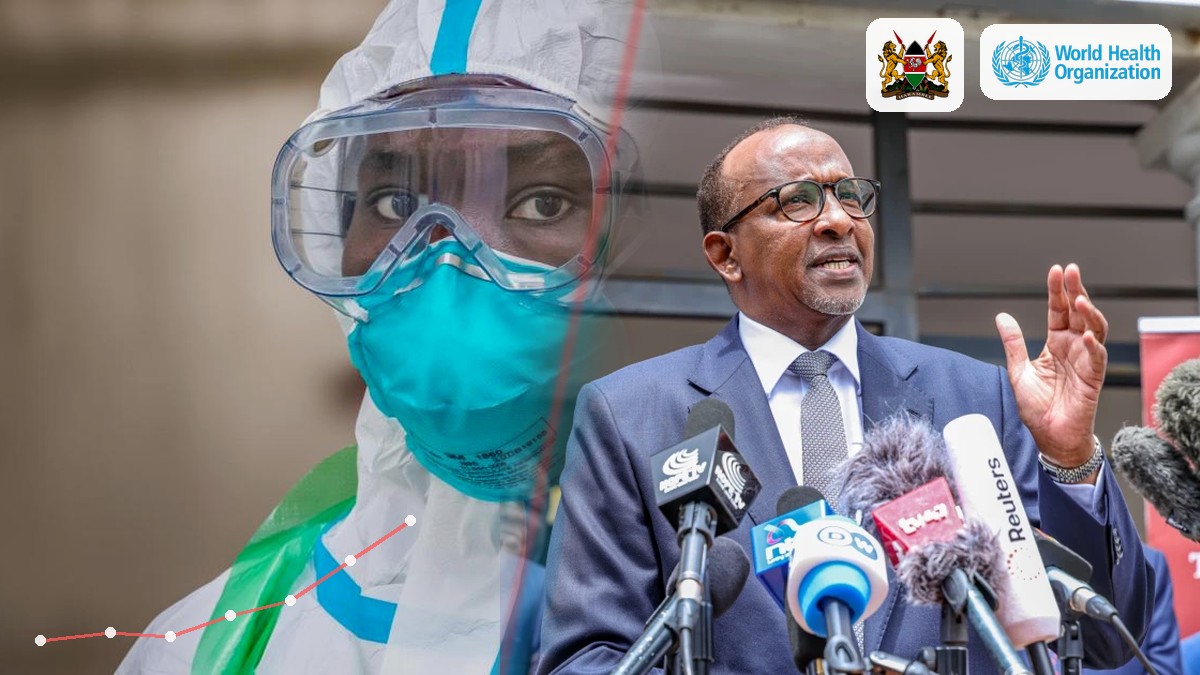
Is Kenya ready for Ebola? 244 beds, donor money and no vaccine for the Bundibugyo strain

Doctors open CBA talks with Health Ministry and counties, want 2025-2029 deal signed by December
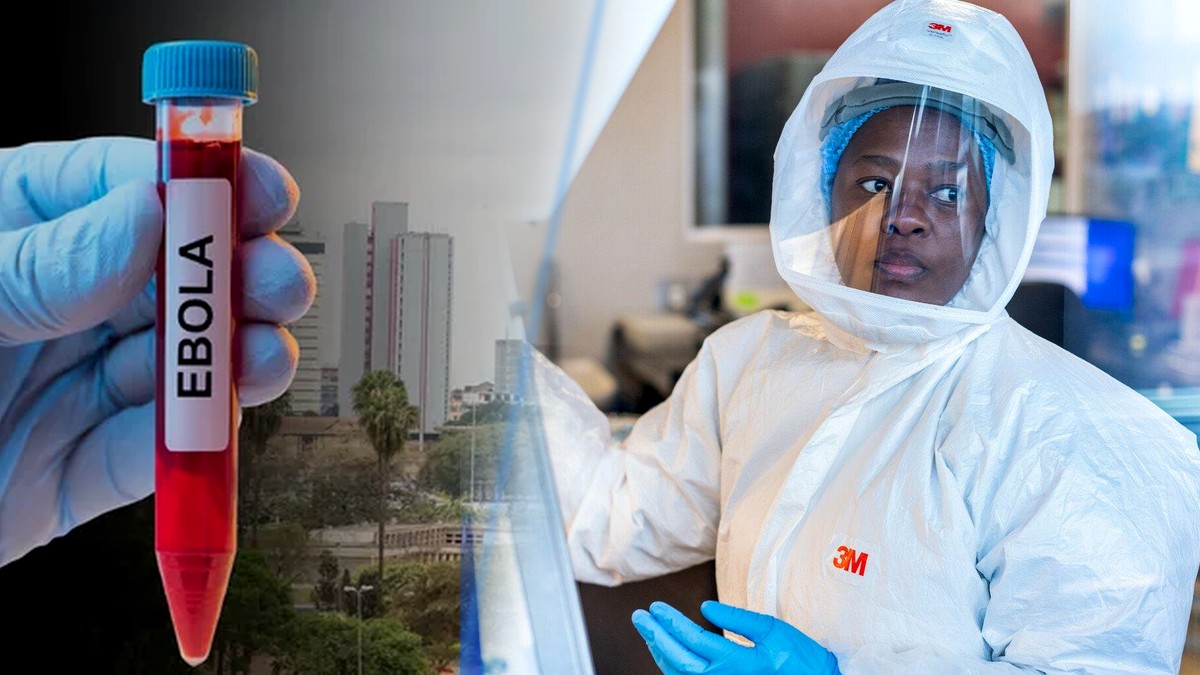
UN allocates over Sh259 million to boost Kenya’s Ebola preparedness as cases rise to nine
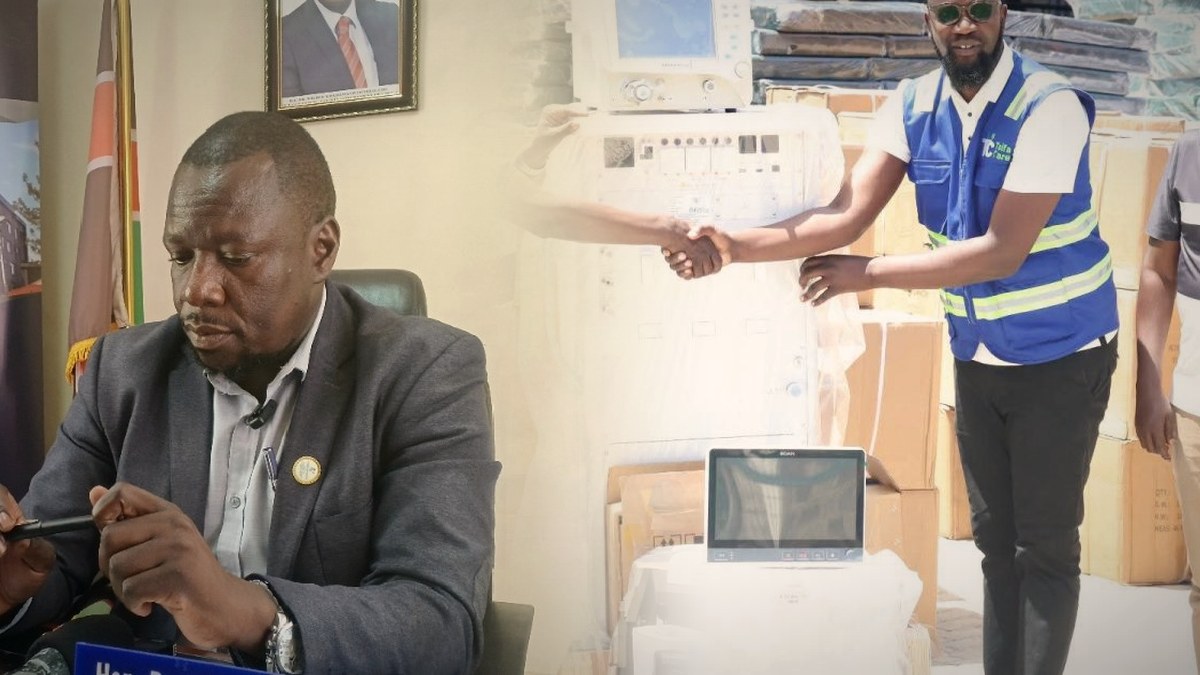
Vihiga sets up five Ebola isolation units and trains over 100 health workers as counties step up preparedness
Makueni waives hospital, mortuary and postmortem bills for victims of Kanga church bus crash
SHA says State pays for indigent Kenyans as it lays out options for those who cannot afford premiums
Global Community Remarks
0