
Universities Fund faces Sh16bn scholarship gap as it plans to serve nearly 609,000 students
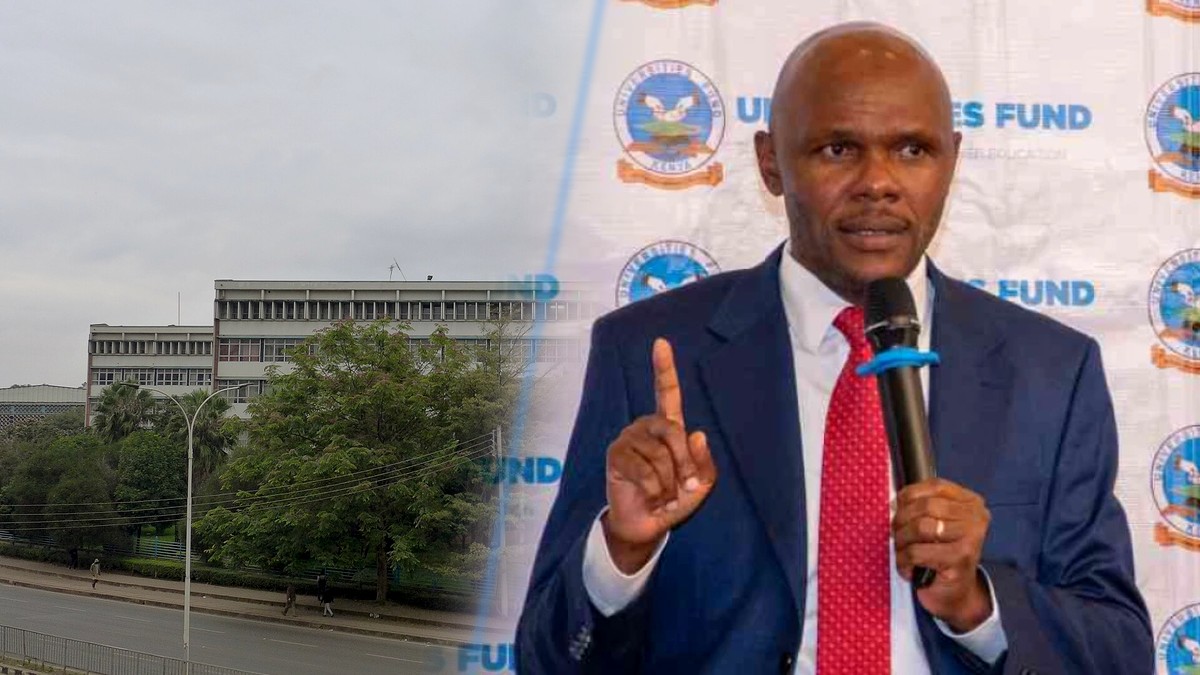
The Universities Fund is staring at a shortfall of about Sh16 billion in scholarship money for the 2026/2027 financial year, even as the number of students relying on government support continues to climb.
The fund estimates that scholarships for the year will cost about Sh47 billion against an allocation of Sh30.1 billion. Under the Student-Centred Funding Model, it expects to support about 608,879 scholarship beneficiaries this year.
'Some students are overfunded'
Speaking at a meeting with scholarship and bursary providers in Nairobi on Wednesday, the fund's acting Chief Executive Officer, Dr Edwin Wanyonyi, said the bigger problem was how existing money is spread.
"Our biggest challenge isn't mobilising resources; it is creating impact with the resources we already have," he said. "There are students who are overfunded, and yet we have students who are underfunded and others not funded at all."
He told the providers that some of the students on the fund's books were also receiving support from their organisations. "Some of the students we are funding are also being funded by your organisations. How do we collaborate?" he asked.
Wanyonyi called on the government, corporate foundations, non-governmental organisations and private sponsors to work together so that more students who qualify for university can take up their places. "Every Kenyan student who qualifies for university deserves the opportunity to pursue higher education," he said.
A shared database
The meeting, held under the theme "Reaching More Students, Together", discussed a shared and secure data system that would let providers see which students are already receiving help, spot unmet needs and avoid duplicate awards.
The proposed system would build on the fund's role as custodian of student funding data, with safeguards to protect students' personal information under the Data Protection Act, 2019. Participants also discussed:
- joint sensitisation campaigns so students know what support is available;
- information sharing between providers;
- resource mobilisation and partnerships to widen scholarship coverage.
The talks are expected to feed into a framework for continued collaboration among scholarship and bursary providers.
Pressure on the funding model
The shortfall adds to strains on the model introduced in 2023, under which public university students are placed in need-based bands and supported through a mix of government scholarships from the Universities Fund and loans from the Higher Education Loans Board (HELB).
Students and parents have repeatedly complained about delayed disbursements and placement in bands they say do not reflect their means, while universities have warned that unpaid capitation is hurting their finances. The gap also comes at a difficult time for the sector, with lecturers at public universities on strike over an unresolved pay deal.
How the Sh16 billion hole will be filled has not been spelt out. The fund did not say whether it would seek a supplementary allocation from the Treasury.
Photos: Universities Fund via Citizen Digital (Dr Edwin Wanyonyi); Bahnfrend via Wikimedia Commons (CC BY-SA 4.0). Thumbnail design: HAMASTA MEDIA.

Tell your story on screen.
Commercials, documentaries, interviews and social video, from script to final cut.





More in Education
See all
UASU Strike to End Friday After Deal with Government
Stakeholders ask MPs to cut student loan salary deductions from 25% to 15%

Police fire teargas as UoN students block Waiyaki Way over lecturers' strike

Mombasa mother arrested for keeping Grade 6 daughter out of KPSEA over '666' index number

Maseno University mourns fourth-year History and Archaeology student Dennis Kipchirchir

Global Community Remarks
0