
Elephants kill herder in Ganze and 72-year-old man in Kasigau as Coast human-wildlife conflict claims two lives

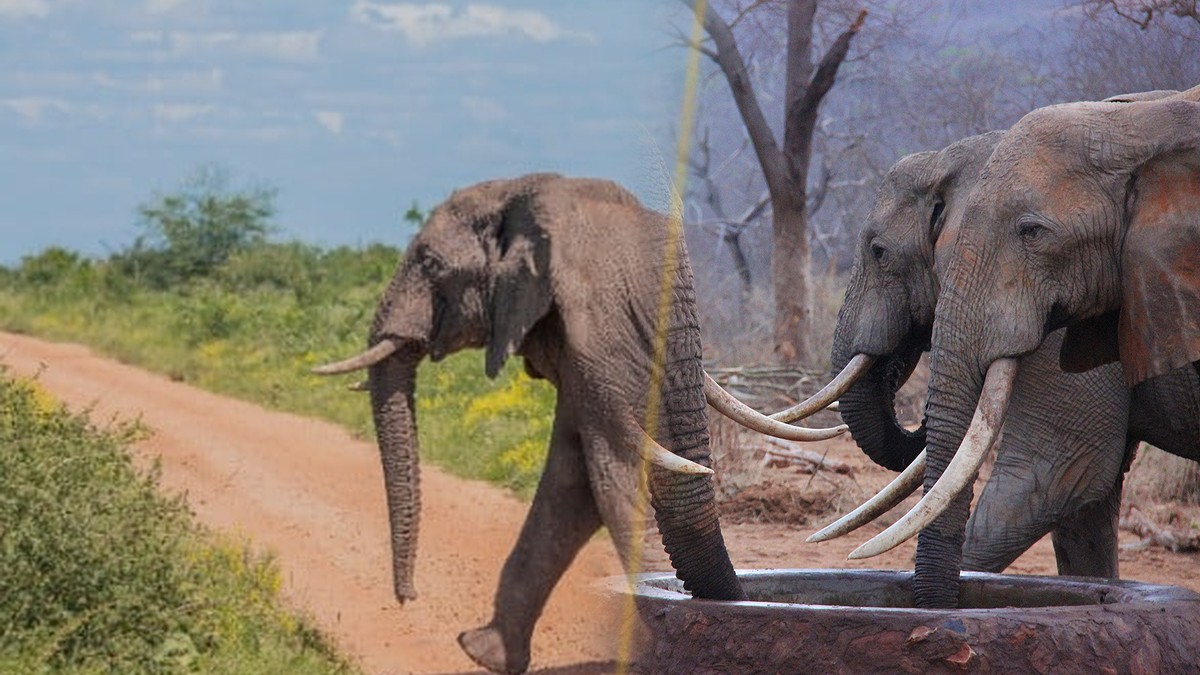
Two men have been trampled to death in separate elephant attacks in Kilifi and Taita Taveta counties, renewing calls by Coast residents for the Kenya Wildlife Service (KWS) to keep the animals away from homes and grazing land bordering the Tsavo ecosystem.
Police and KWS officers visited both scenes, according to reports by The Star, Capital FM and K24 Digital.
Killed while grazing calves in Ganze
In Kilifi County, a herder identified by police as Abubakar Aden Dube Bute was attacked at Ranch Village in Mrima wa Ndege Location, Ganze Sub-County. Police said he was grazing calves alone on Sunday, October 25, when he came across a herd of elephants and could not get away.
The calves later made their way back, but he did not. Family members and neighbours mounted a search and found his body in a bush the following morning. He had suffered serious injuries to the head, ribs and legs. The body was moved to the Malindi Hospital mortuary for a postmortem examination.
Relatives who spoke to People Daily described the victim as a teenager, and residents urged KWS to drive the elephants away from settlements before more lives are lost.
Attacked on the way from a water point
In Taita Taveta County, Abdikher Sheikh Ibrahim, 72, was killed at Kambanga Ranch in Makwasinyi Sub-location, Kasigau Location, Voi Sub-County, on Monday, October 26. Police said he was walking from a water point inside the ranch back to his homestead when an elephant charged at him.
A colleague who was walking with him escaped unhurt. Ibrahim suffered multiple injuries to his legs, stomach, back and head, and his body was taken to the Moi County Referral Hospital mortuary in Voi pending a postmortem.
Compensation and prevention
Ganze and Kasigau both lie on the edges of the vast Tsavo conservation area, where elephants regularly leave protected land in search of water and pasture, especially in dry spells. Ranches such as Kambanga, which double as wildlife corridors, put herders and the animals in close contact.
Families of people killed by wildlife are entitled to compensation under the Wildlife Conservation and Management Act. In May 2025 the government launched the third phase of its human-wildlife conflict compensation programme, and President William Ruto unveiled a Wildlife Conservation Card developed with KCB, which channels part of each transaction to a conservation trust fund.
"Compensation is justice, but prevention is progress," Ruto said at the time, pointing to fencing and community-led tourism as longer-term solutions. For residents of Ganze and Kasigau, however, the latest deaths show how far that promise still has to go.
Photos: K24 Digital (file); Richard Probst via Wikimedia Commons (CC BY 2.0). Thumbnail design: HAMASTA MEDIA.


Grow an audience that listens.
Social media management, digital campaigns and online storytelling that converts.



More in Environment
See all
Court stops KWS car park at Nairobi Animal Orphanage, bars any work that could destroy the park

KWS shoots Kitui elephant blamed for killing resident as State says conflict compensation costs Sh1 billion a year
Bushmeat trade kills over 300,000 wild animals a year in Kenya-Tanzania borderlands as KWS targets motorbike couriers
NEMA opens 30-day public review of 7,128-unit Southlands housing project in Lang'ata after court quashed earlier licence

KFS denies illegal logging in Ngong Hills, says felling of 56 hectares of mature plantation is under approved tender

Kenya Met warns of heavy rain and flash floods in over 40 counties as downpours peak from Monday to Wednesday
Global Community Remarks
0