
Bushmeat trade kills over 300,000 wild animals a year in Kenya-Tanzania borderlands as KWS targets motorbike couriers

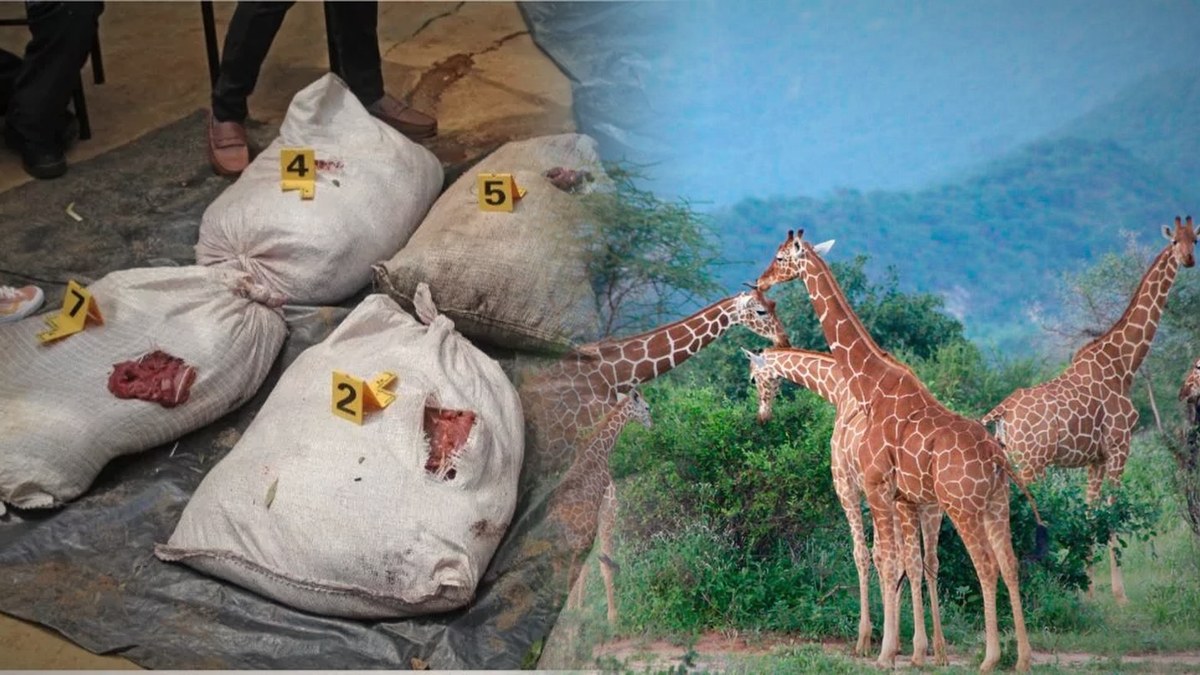
An illegal trade in wild meat is killing more than 300,000 animals a year across the borderlands of southern Kenya and northern Tanzania, according to an assessment by conservation groups WWF-Kenya and TRAFFIC, and wildlife officials say the networks behind it are becoming more organised.
The study covers the roughly 134,000 square kilometre Southern Kenya-Northern Tanzania landscape, which takes in the Mara-Serengeti, Amboseli-West Kilimanjaro and Tsavo-Mkomazi ecosystems, some of the most important wildlife areas in East Africa. Its findings were first reported last week and were set out in further detail in coverage published on Tuesday, 27 October 2026.
A trade worth close to Sh800 million
The Star reports the illegal trade is worth about Sh779 million (about $6 million) a year, while the Nation and other outlets put the figure slightly higher at about Sh789 million. Some reports of the same assessment give the annual toll as about 340,000 animals.
Researchers identified more than 200 bushmeat hotspots, most of them outside protected areas and within about 15 kilometres of park boundaries. Between three and five tonnes of wild meat may be moved illegally across the Kenya-Tanzania border every day. Plains zebra are the most frequently hunted species, followed by dik-dik and giraffe, with giraffe accounting for the largest volume of meat.
The assessment drew on interviews with 110 respondents, including government and private law enforcement officers, civil society groups and community members, carried out between January and February this year. Half said the trade had grown over the past five years.
Wealthy buyers, young hunters
The findings challenge the idea that bushmeat is eaten mainly by the poor. According to The Star, 52 per cent of respondents identified people with high purchasing power as the main buyers, and a further 33 per cent pointed to upper-middle-income consumers. Asked why buyers prefer wild meat, nearly half cited a belief that it contains no synthetic chemicals, while others said it tastes better or is more nutritious.
The hunting teams, which can have up to 20 members, are often made up of young men aged between 18 and 25. Geoffrey Chege, WWF-Kenya's biodiversity, research and innovation manager, told the Nation that the returns promised to young recruits do not add up. "The arithmetic the young people are given does not make economic sense," he said.
Motorcycles at the centre
Motorcycles have emerged as the main means of moving meat from hunting grounds to markets, with the report describing them as a "quick, flexible and discreet means of transport". Oswald Sangawe, the Kenya Wildlife Service's chief of security operations, said KWS is coordinating multi-agency teams to break up the networks and that hundreds of motorcycles have been forfeited to the State after bushmeat seizures.
"Motorbikes can manoeuvre terrains easily and the riders know the landscapes like the palms of their hands," Sangawe told the Nation.
He said KWS officers now also use ordinary motorcycles themselves to blend in with riders and make arrests.
Threat to a nature-based economy
The report warns that existing awareness campaigns are missing most of the problem: about 70 per cent of hotspots lie outside communities reached by demand-reduction programmes, and half of the urban markets where the meat is sold are beyond current interventions. Up to 65 per cent of wildlife lives outside protected areas, leaving it exposed.
WWF-Kenya chief executive Jackson Kiplagat said the stakes go beyond conservation. "Kenya being a nature-based economy should be managed in a way that give benefits to its people," he said, as quoted by The Star.
WWF officials have proposed alternatives for communities living alongside wildlife, including eco-tourism through conservancies, beekeeping and improved livestock breeds. The findings come days after the government launched the Sh20.8 billion Thamani Asili conservation programme, which aims to channel more money to wildlife areas and the communities around them.
Photos: The Star (seized bushmeat displayed as evidence); Nation/GCF (reticulated giraffes in Namunyak Conservancy)


Take your event live to thousands.
Multi-camera live streams, panel discussions and digital broadcasts with professional crews.




More in Environment
See all
KWS shoots Kitui elephant blamed for killing resident as State says conflict compensation costs Sh1 billion a year
NEMA opens 30-day public review of 7,128-unit Southlands housing project in Lang'ata after court quashed earlier licence
KFS denies illegal logging in Ngong Hills, says felling of 56 hectares of mature plantation is under approved tender
Kenya Met warns of heavy rain and flash floods in over 40 counties as downpours peak from Monday to Wednesday
Why Nairobi is sweltering despite expected El Niño rains, according to weather experts
KWS launches Sh20.8bn Thamani Asili conservation programme across 31 counties, targets 7,800 jobs
Global Community Remarks
0