
KWS launches Sh20.8bn Thamani Asili conservation programme across 31 counties, targets 7,800 jobs

The Kenya Wildlife Service (KWS) has launched a Sh20.8 billion conservation programme that it says will run across 31 counties for the next decade, create about 7,800 direct jobs and put close to a third of the country's land and waters under some form of protection.
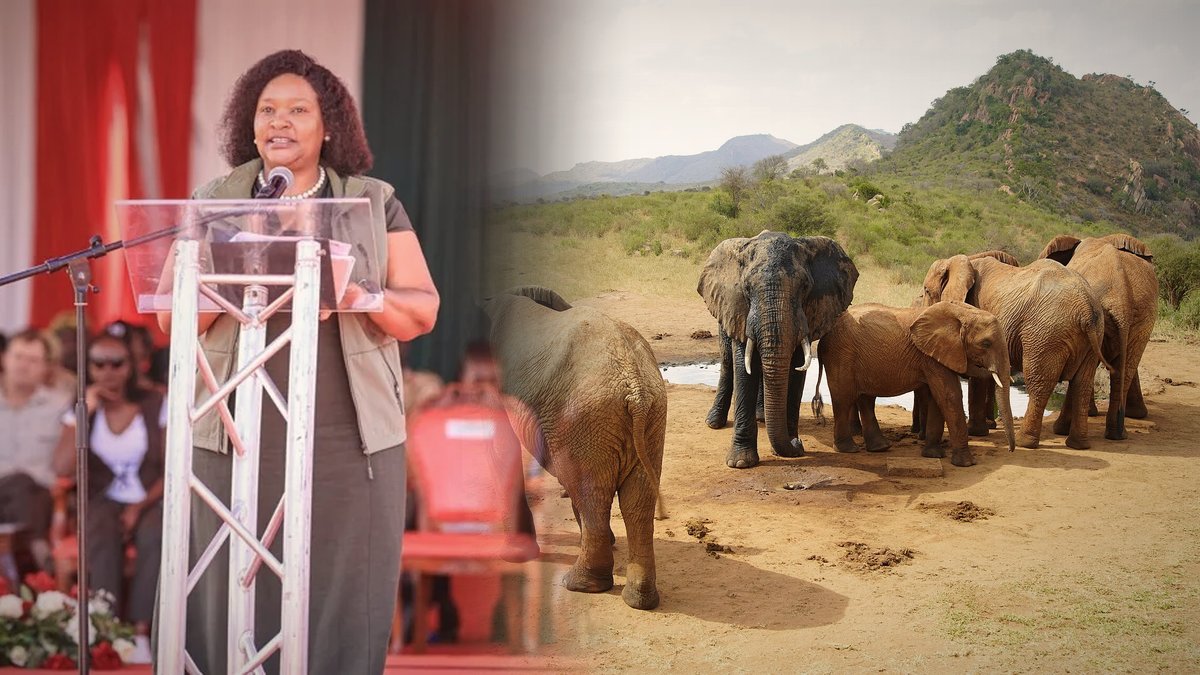
The Thamani Asili Programme was launched on Wednesday, 21 October, at Tsavo West National Park in Taita Taveta County. Tourism and Wildlife Cabinet Secretary Rebecca Miano presided over the event, with KWS Director-General Erustus Kanga and partners from the conservation sector in attendance.
Who is paying
The programme is valued at US$160 million, about Sh20.8 billion. The Government of Kenya is putting in US$80 million (roughly Sh10 billion), and an equal sum is being raised from philanthropic sources through The Nature Conservancy (TNC) and its alliance partner, Enduring Earth.
The money is being structured under a model known as Project Finance for Permanence (PFP), in which governments and donors agree a long-term plan and lock in funding before it starts. In a statement reported by Kenyans.co.ke, KWS said the approach is meant to take conservation away from short-term funding cycles and towards predictable investment.
According to The Eastleigh Voice, the funds will be held and disbursed by the Thamani Asili Fund for Kenya, an independent conservation trust that will also track progress. KWS will be the lead implementing agency.
Land, jobs and people
The headline goal is to bring at least 30 per cent of Kenya's land, inland waters and near-shore ecosystems under effective conservation and management within 10 years. The plan breaks that down into three parts:
About 2.7 million hectares of new conserved areas; better management of 11 million hectares of existing protected and conserved land; and support for communities to manage a further 6 million hectares.
The work is grouped into four priority landscapes: Tsavo to the Coast, Greater Ewaso, the Greater Rift to Western Kenya, and Southern Kenya. It will support more than 130 community conservancies, according to reports on the launch.
Beyond the 7,800 direct jobs, the programme projects more than 15,000 indirect jobs, mostly in ecotourism, sustainable grazing, carbon projects and other nature-based businesses. About 1.6 million people are expected to benefit directly, with another 3.9 million gaining through better land governance and natural resource management. The Eastleigh Voice reported that the programme is also expected to avoid about 7.5 million tonnes of carbon emissions by 2035.
Communities at the centre
Officials at the launch repeatedly framed the programme as one that must pay off for the people who live alongside wildlife, a group that bears the cost of crop raids, livestock losses and attacks.
"Our communities are not separate from conservation; they are its heart," Dr Kanga said, according to The Eastleigh Voice.
The Nature Conservancy's Regional Managing Director for Africa, Ademola Ajagbe, said the programme should be judged by how it changes people's lives rather than by the size of the investment. He pointed to more secure livelihoods for herders, jobs for young people and support for women starting businesses.
Planned activities include ecosystem restoration, responses to human-wildlife conflict, protection of key water towers and sources, and support for community-run enterprises.
Why Tsavo
The choice of Tsavo West for the launch reflects the weight of the Tsavo-to-Coast landscape in the plan. The wider Tsavo ecosystem is home to one of Kenya's largest elephant populations, and communities around it, including in Taita Taveta, have long complained about wildlife damage and limited benefits from tourism.
Conservation groups have welcomed the scale of the commitment, but its success will depend on how well it is implemented and whether money and jobs actually reach communities living closest to the parks, a point raised in coverage of the launch.
Photos: CS Rebecca Miano at the Thamani Asili launch in Tsavo West (The Eastleigh Voice); elephants at a waterhole in Tsavo West National Park (Yakov Fedorov / Wikimedia Commons, CC BY-SA 4.0).



Know what people say about you.
Media monitoring, audience insights and strategic communication for your brand.


More in Environment
See all
Why Nairobi is sweltering despite expected El Niño rains, according to weather experts

Kenya Met warns of rain in 21 counties and strong winds in Turkana and Marsabit

Nairobi County takes NEMA to court in battle over who controls city garbage
Kenya Met forecasts thunderstorms in western Kenya and Rift Valley as Nairobi braces for El Niño rains
Kajiado West residents travel up to 45km for water as Tata Chemicals standoff drags on
Kihika warns KURA against felling trees in Nakuru without county approval after Jacaranda outcry
Global Community Remarks
0