
Why Nairobi is sweltering despite expected El Niño rains, according to weather experts


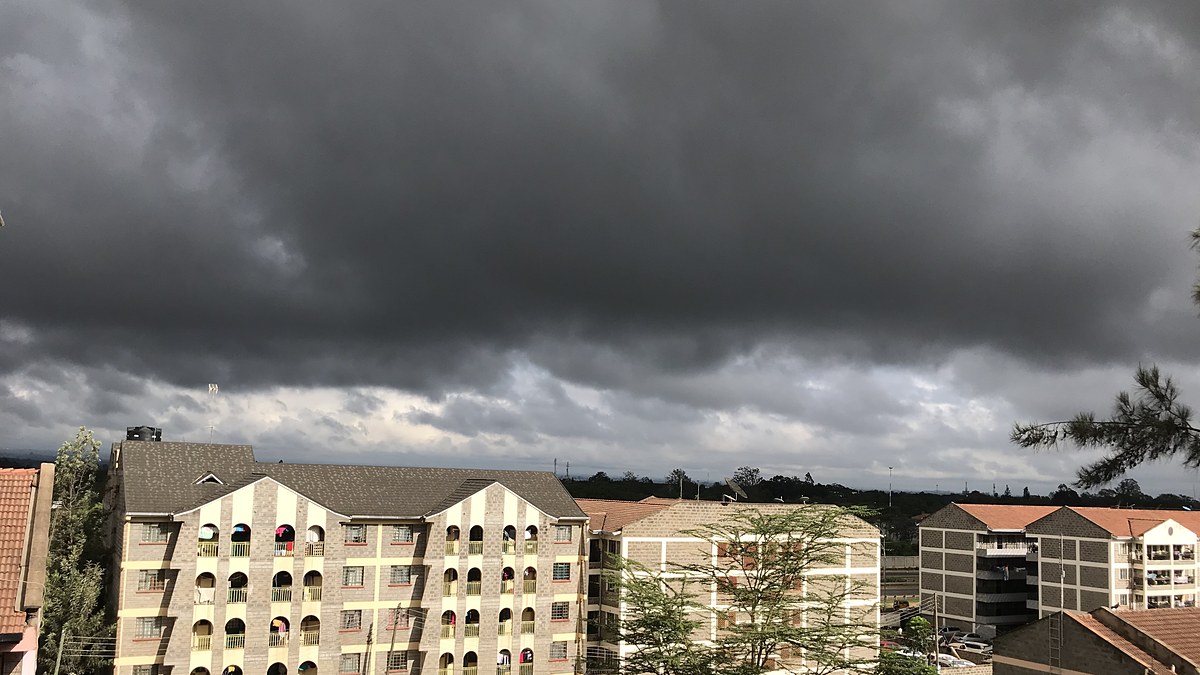
Nairobi residents who were told to brace for El Niño rains have instead spent much of the past week under harsh sunshine, with afternoon temperatures in parts of the capital pushing towards 30°C. Weather experts say the two are not a contradiction: a wet season can still deliver long stretches of hot, dry days, and the city may stay warmer than normal well into 2027.
The October–November–December (OND) short rains season is now under way, and the Kenya Meteorological Department has repeatedly said the 2026 El Niño is likely to be strong. But complaints about sweltering afternoons in the city have grown louder, prompting forecasters to explain why the expected downpours have yet to cool things down.
Warmer than normal into 2027
Weather analyst Maithya wa Vilivū says seasonal forecast models point to Nairobi staying warmer than its long-term average through the final quarter of 2026 and into the early months of 2027. The models he reviewed put the excess at between 0.5°C and 1.5°C above normal.
"Some individual models show up to +ve 1.5C anomalies, while the lowest indicates +ve 0.5C anomaly," he said, according to K24 Digital. He put the median at about 1.1°C above normal, which he described as "quite feelable for a concrete jungle like Nairobi."
His seven-day outlook shows daytime highs of 28°C to 30°C across the city, with some neighbourhoods possibly going above 30°C, Kenyans.co.ke reported.
Why El Niño does not mean instant rain
El Niño, the periodic warming of the central and eastern Pacific Ocean, is usually associated with above-normal rainfall in East Africa during the short rains. "El Niño is typically associated with wetter-than-normal conditions over Eastern Africa, including Kenya," Maithya said.
However, he noted that how much rain actually falls, and when, depends on several other systems interacting with El Niño. These include the Indian Ocean Dipole, the Madden-Julian Oscillation, Kelvin waves and tropical storms in the Indian Ocean, which shift moisture around the region and can delay or scatter the rains.
Three of the seven models he assessed suggest normal to below-normal rainfall over Nairobi in October and November, even as the broader seasonal picture still points to above-normal rain during OND and into the first quarter of 2027. Models agree more strongly on wetter conditions from January 2027, though the spread between forecasts remains wide.
He cautioned that forecasting at city scale is difficult because of model biases, inconsistent data and the challenge of downscaling regional outlooks to specific locations, meaning projections may change as new data arrives.
What the Met department says
The Kenya Meteorological Department's OND outlook projects above-average rainfall across much of the country alongside warmer-than-average temperatures. The department has said a delayed onset of rain in some areas does not mean the seasonal forecast has changed, and that the strength of El Niño alone cannot determine how much rain a particular place will receive.
Its forecast for 20 to 26 October put Nairobi's maximum at about 29°C and the minimum at 12°C. Much hotter conditions were expected in the north and east, with maximum temperatures above 35°C in parts of Garissa, Wajir, Tana River, Isiolo, Kilifi, Marsabit, Samburu and Turkana. Lodwar was forecast to reach 38°C and Mandera 37°C.
In September, the Met department told The Star that El Niño had already contributed to extremely warm days in Nairobi and Central Kenya, even during the June-to-August period when the region is normally cold.
A wider pattern of heat
The warm spell in Nairobi comes against a backdrop of rising global heat. Kenyans.co.ke, citing Reuters' climate monitoring, reported that heatwaves have covered an average of 18.1 per cent of the Earth's surface each day over the past five years, compared with 2.1 per cent between 1961 and 1990.
For Nairobi residents, the experts' message is that rain and heat can coexist this season. Hot, sunny afternoons may continue between rain spells, particularly where the rains arrive late or fall unevenly, and residents are advised to follow the Met department's updated county forecasts.
Photos: Nairobi street scene, K24 Digital; aerial view of City Hall and the Holy Family Basilica, Kenyans.co.ke/Canva.


Grow an audience that listens.
Social media management, digital campaigns and online storytelling that converts.



More in Environment
See all
KWS launches Sh20.8bn Thamani Asili conservation programme across 31 counties, targets 7,800 jobs

Kenya Met warns of rain in 21 counties and strong winds in Turkana and Marsabit

Nairobi County takes NEMA to court in battle over who controls city garbage
Kenya Met forecasts thunderstorms in western Kenya and Rift Valley as Nairobi braces for El Niño rains
Kajiado West residents travel up to 45km for water as Tata Chemicals standoff drags on

Kihika warns KURA against felling trees in Nakuru without county approval after Jacaranda outcry
Global Community Remarks
0