
Treasury signs Sh270m Gates Foundation grant to put climate data in Kenyan farmers' hands
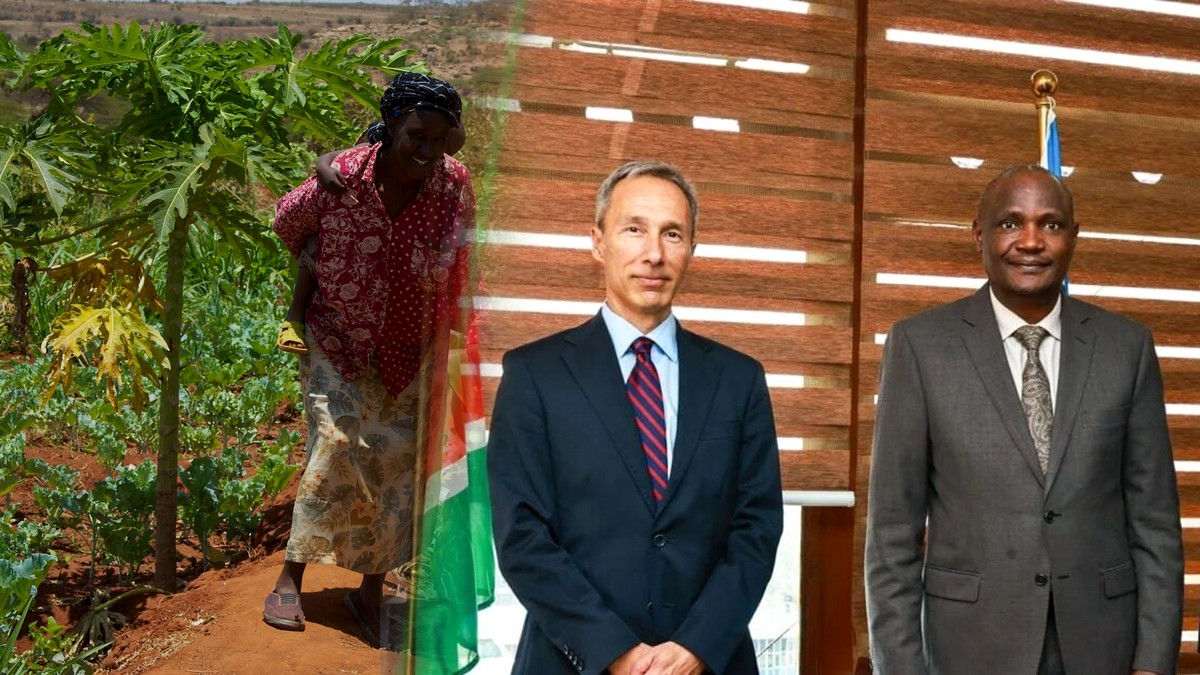
The National Treasury has signed a US$2.08 million grant, worth about Sh270 million, that is meant to help Kenyan farmers and agribusinesses use weather and climate information to protect their harvests and incomes.
Treasury Cabinet Secretary John Mbadi signed the Climate Smart Agribusiness Partnerships for Resilience (CSAPR) grant agreement on Thursday morning during a courtesy call by Matteo Marchisio, the new Country Director of the International Fund for Agricultural Development (IFAD). The money comes from the Bill & Melinda Gates Foundation and will be channelled through IFAD, the UN agency that has backed several of Kenya's rural development programmes.
In a statement, Treasury said the grant would strengthen "Kenya's efforts to build climate resilience in agriculture".
What the money will do
The grant will not run as a stand-alone project. Instead, it will be added to the Integrated Natural Resources Management Programme (INReMP), an existing programme co-financed by the government that works on land, water and farm productivity.
According to Treasury and IFAD, the new funding is intended to:
- build climate information systems into agricultural value chains, from production to marketing;
- help farmers and agribusinesses anticipate dry spells, floods and other weather shocks and plan around them;
- encourage producers to factor climate data into decisions such as what to plant, when to plant and how to manage their animals and stock.
Mbadi used the meeting to restate the government's commitment to deeper cooperation with IFAD, while Marchisio pledged to strengthen the agency's long partnership with Kenya's farm sector and rural communities.
Why it matters now
The grant arrives as erratic weather continues to squeeze farm output. Poor and uneven rains have hit maize and milk production in parts of the country in recent seasons, pushing up food prices and eroding incomes for smallholders, who produce the bulk of Kenya's food.
Forecasters have also flagged the risk of El Niño conditions over the Greater Horn of Africa, which can bring heatwaves and drought in some areas and flooding in others. For farmers without timely forecasts, such swings can mean lost seed, fertiliser and labour.
Climate information services, which turn weather and seasonal forecasts into practical farm advice, are widely seen as one of the cheaper ways to cut those losses, but they often fail to reach smallholders or arrive in a form farmers cannot use.
Gates Foundation in Kenya
The Gates Foundation already funds a wide range of work in Kenya, from agriculture and sanitation to financial services and health research. Earlier this year the Kenya Medical Research Institute (KEMRI) received about Sh516 million from the foundation to lead an African women's health research initiative.
At about Sh270 million, the CSAPR grant is modest next to the country's farm budget, but by riding on an existing programme it avoids the set-up delays that often slow new donor projects.
Photos: Capital FM (signing at the National Treasury); McKay Savage via Wikimedia Commons (CC BY 2.0). Thumbnail design: HAMASTA MEDIA.
Every moment, captured beautifully.
Events, corporate portraits, products and editorial shoots by our newsroom photographers.





More in Business
See all
Christine Lagarde to step down as ECB president in February, nine months before her term ends

Labour court throws out bid to remove KRA boss Adan Mohamed over retirement age

Banks to charge 16% VAT on digital payment fees from November 1, raising costs for merchants

KenGen shareholders approve reduced Sh0.75 dividend as power producer pours Sh15.5bn into plants

SGR land survey moves to Kibos and Chiga as Kisumu terminus plans take shape
Global Community Remarks
0