
Christine Lagarde to step down as ECB president in February, nine months before her term ends
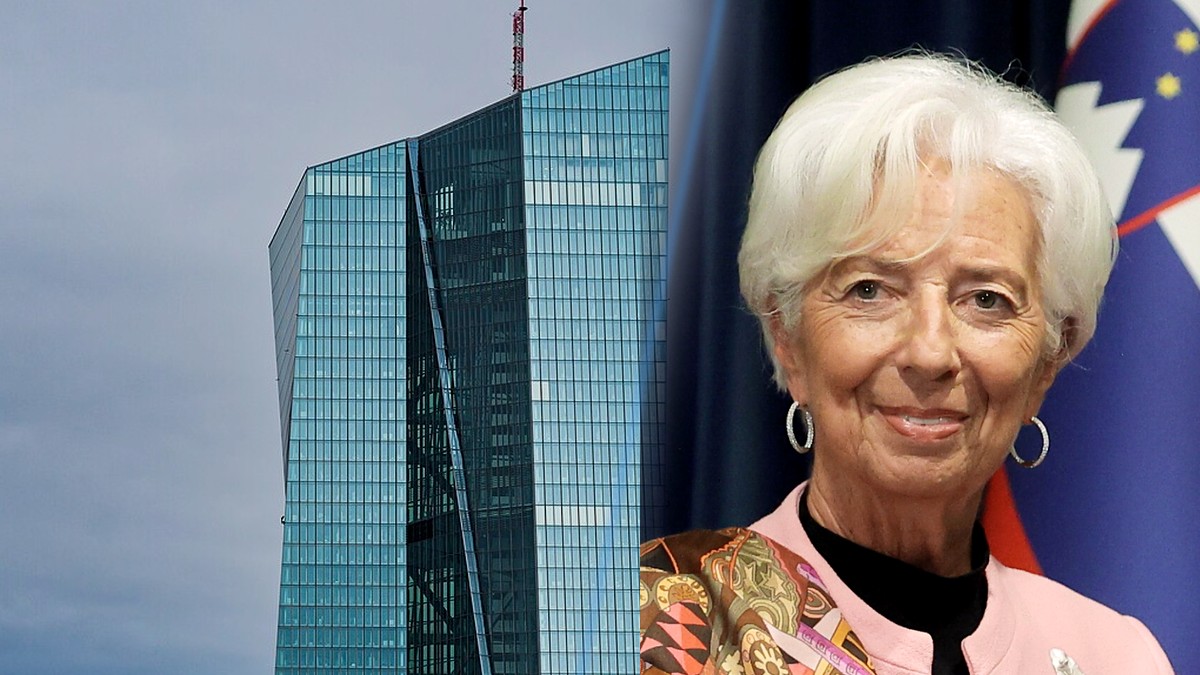
Christine Lagarde will step down as president of the European Central Bank (ECB) on 7 February 2027, about nine months before her eight-year term was due to end, the bank announced on Thursday, ending months of speculation over her future and opening a contest for one of the most powerful posts in global finance.
Lagarde informed the ECB's Governing Council and European Council President Antonio Costa of her decision on the morning the council met to set interest rates for the euro area. The bank said council members thanked her warmly and gave her a long standing ovation. Neither the ECB nor Lagarde gave a reason for the early departure.
In a video message, Lagarde said serving at the ECB had been a "great pride and huge privilege", adding that she was leaving "with a sense of good work done and an ECB that is fit for the future."
Beating the French election clock
Analysts widely link the timing to France's presidential election in April and May 2027. Leaving in February allows President Emmanuel Macron, who cannot seek a third term, and German Chancellor Friedrich Merz to help choose her successor before a possible win by Marine Le Pen's eurosceptic National Rally. Holger Schmieding, chief economist at Berenberg, said the EU was trying to guard itself against that risk.
Costa said the appointment process would begin immediately and "proceed without delay". Under EU rules, leaders choose the ECB president by qualified majority on the recommendation of finance ministers, after consulting the European Parliament and the ECB.
Who could replace her
- Klaas Knot, who led the Dutch central bank from 2011 to 2025, is viewed as a former inflation hawk turned consensus-builder.
- Pablo Hernandez de Cos, former Bank of Spain governor and now head of the Bank for International Settlements, was nominated by Madrid in July.
- Bundesbank president Joachim Nagel and European Investment Bank chief Nadia Calvino have also been mentioned.
The change comes amid a wider reshuffle. Executive Board member Isabel Schnabel leaves in January to join the IMF and chief economist Philip Lane's term ends in May, meaning half of the six-member board will turn over within five months.
A turbulent tenure
Lagarde, a former French finance minister and managing director of the International Monetary Fund, took over in November 2019, just before the Covid-19 pandemic. Her tenure also spanned the energy shock from Russia's war in Ukraine, US tariff battles and now the fallout from the Middle East conflict. She has been linked to the chairmanship of the World Economic Forum, though she has said she is not a candidate for anything.
The eurozone she leaves is grappling with weak growth and inflation above the ECB's 2 per cent target. The bank raised its deposit rate to 2.5 per cent in September. For Kenya, whose biggest export market is the European Union, the direction of eurozone rates matters for demand, the euro's value and borrowing costs on international markets.
Photos: Norbert Nagel via Wikimedia Commons (CC BY-SA 4.0) (ECB headquarters, Frankfurt); Daniel Novakovic via Wikimedia Commons (public domain) (Christine Lagarde). Thumbnail design: HAMASTA MEDIA.


Take your event live to thousands.
Multi-camera live streams, panel discussions and digital broadcasts with professional crews.




More in Business
See all
Labour court throws out bid to remove KRA boss Adan Mohamed over retirement age

Banks to charge 16% VAT on digital payment fees from November 1, raising costs for merchants

KenGen shareholders approve reduced Sh0.75 dividend as power producer pours Sh15.5bn into plants

Treasury signs Sh270m Gates Foundation grant to put climate data in Kenyan farmers' hands

SGR land survey moves to Kibos and Chiga as Kisumu terminus plans take shape

Global Community Remarks
0