
Houthis claim six missile and drone strikes on Saudi airports and oil sites days after Tehran talks

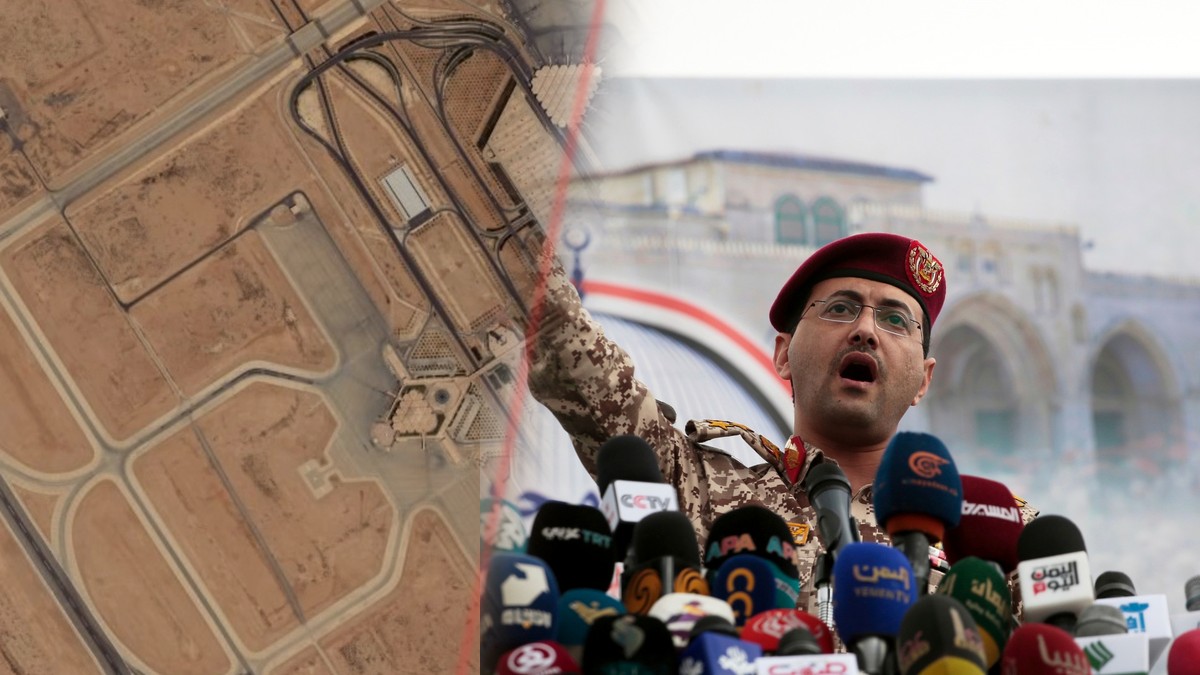
Yemen's Iran-aligned Houthi movement says it has launched six missile and drone attacks on airports, oil installations and a military base in Saudi Arabia, a fresh escalation that comes only days after Saudi and Iranian security chiefs met in Tehran to try to cool regional tensions.
Houthi military spokesman Yahya Saree announced the strikes in a statement on X, describing the targets as "vital commercial and military infrastructure". There was no independent confirmation of the damage the group says it caused.
The six targets named by the Houthis
- Ras Tanura oil refinery on the Gulf coast, hit by a ballistic missile, according to the Houthis
- An Aramco facility at Abqaiq
- King Khalid International Airport in Riyadh, with several missiles
- King Fahd International Airport in Dammam, with a drone
- Rabigh refinery on the Red Sea coast
- A Saudi military headquarters in the southern Najran region
Saudi response
Turki al-Maliki, spokesman for the Saudi-led coalition fighting in Yemen, said air defences intercepted ballistic missiles fired towards Riyadh, with further interceptions reported later over the capital and the Eastern Province. Saudi Civil Defence said shrapnel from an interception over Riyadh wounded one Saudi citizen and damaged a house and a vehicle. Warning alerts were sounded in Riyadh, the al-Kharj area and the city of Najran.
Saudi channel Al Hadath attributed an earlier fire at Ras Tanura to debris from an interception rather than a direct hit, contradicting Houthi claims that a missile struck the refinery. Yemen's internationally recognised government separately urged the UN Security Council to act over Houthi attacks on Aden International Airport.
Diplomacy under strain
The attacks follow a meeting in Tehran on Monday attended by Saudi Defence Minister Khalid bin Salman, Pakistan's army chief Asim Munir and Turkish intelligence chief Ibrahim Kalin, hosted by Iranian security official Mohsen Rezaei. Iran said afterwards that the parties had agreed to keep talking about regional cooperation, while Saudi Arabia's foreign ministry stressed the need to keep negotiation channels open to prevent a return to military escalation.
Why it matters beyond the Gulf
Ras Tanura and Abqaiq are among the most important energy sites in the world, and any disruption there feeds quickly into global oil prices. With shipping through the Strait of Hormuz already disrupted by the Iran conflict, renewed threats to Saudi output add to pressure on fuel import bills in countries such as Kenya, where pump prices are already high.
Photos: AP via Al Jazeera; US Air Force (public domain) via Wikimedia Commons. Thumbnail design: HAMASTA MEDIA.



Know what people say about you.
Media monitoring, audience insights and strategic communication for your brand.


More in International
See all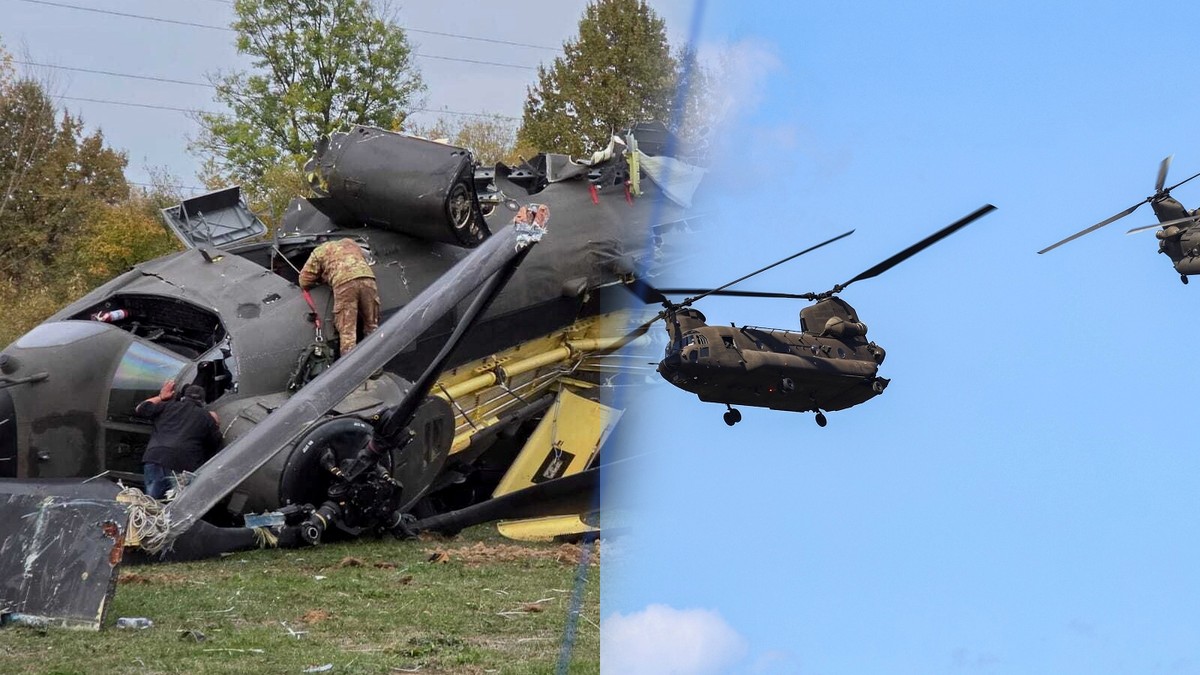
Four Italians killed as EU peacekeeping force Chinook helicopter crashes during training in Bosnia

Gabon navy finds three bodies inside sunken Prospector 5 oil rig as two workers remain missing

Uganda says 27 citizens recruited into Russia's army are dead or presumed dead in Ukraine war
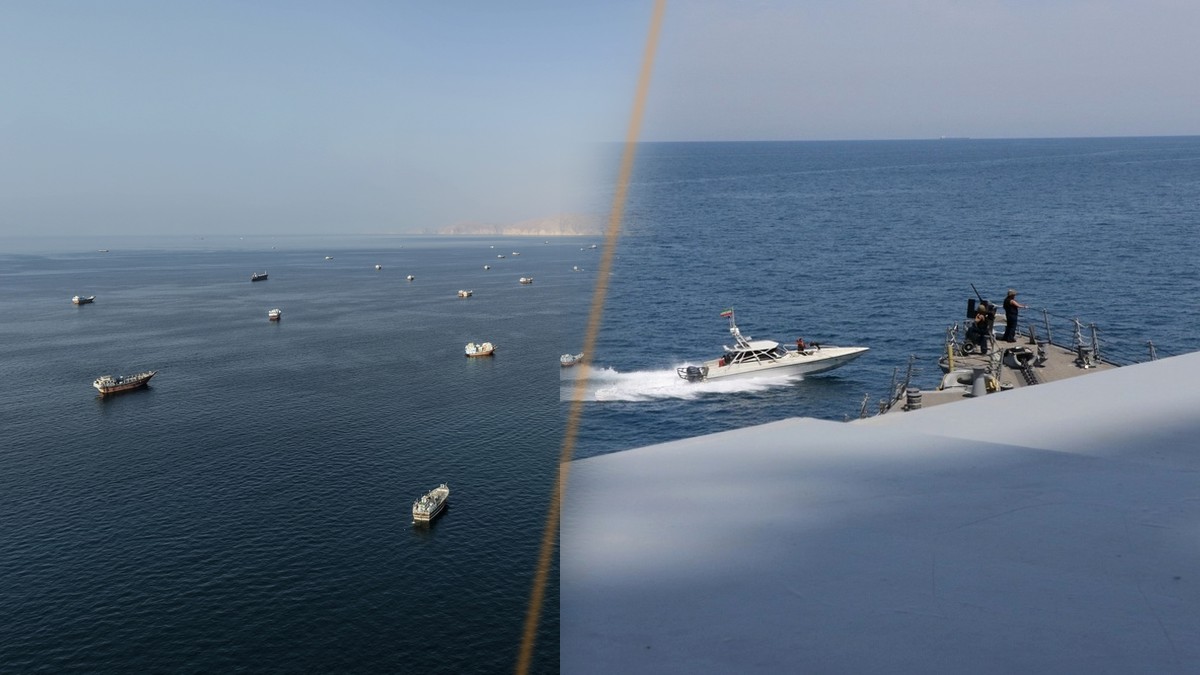
Tanker burns off Oman as Iran's Guards say three ships hit mines in Hormuz lane the US called safe

Cameroon opposition cries foul as government suspends exiled Issa Tchiroma's party for three months

US sanctions Rwanda's defence ministry and military-linked Zigama bank over M23 support in eastern DR Congo
Global Community Remarks
0