
Tanker burns off Oman as Iran's Guards say three ships hit mines in Hormuz lane the US called safe
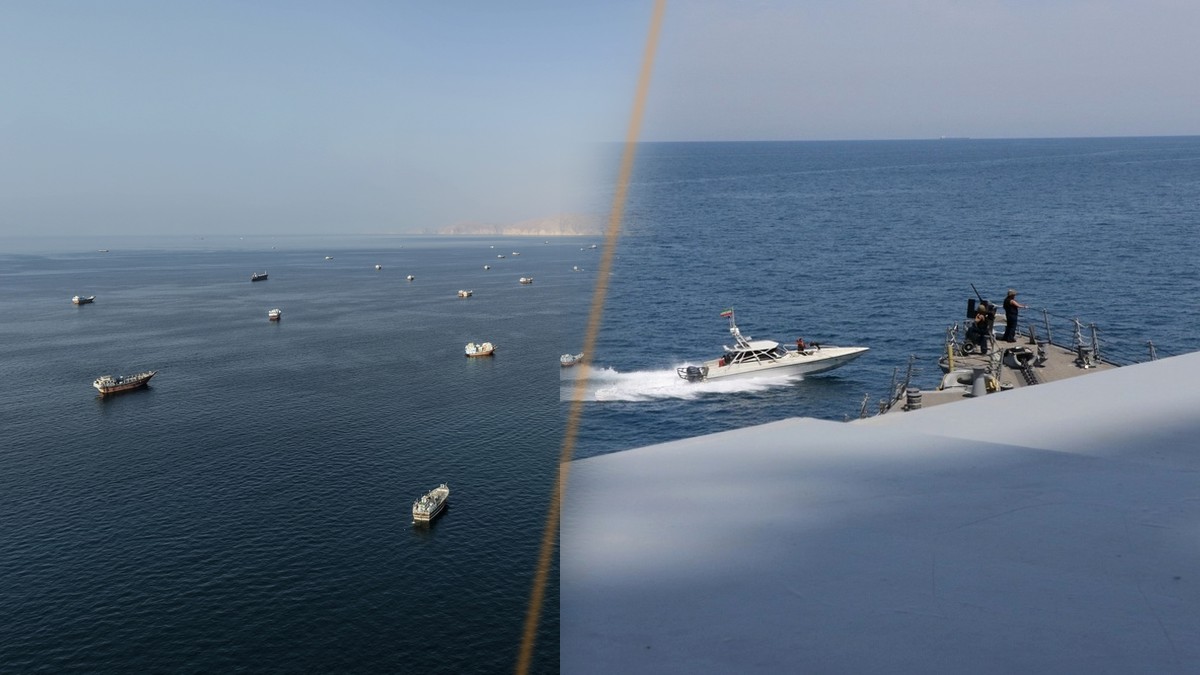
A tanker was left burning and partly submerged in the Strait of Hormuz on Thursday, and Iran's Islamic Revolutionary Guard Corps (IRGC) claimed that three oil tankers had exploded after striking naval mines in the southern shipping lane that Washington has spent two months insisting is safe.
The IRGC Navy said the three ships caught fire over the previous 24 hours after turning off their radar and navigation systems, ignoring warnings from its patrol boats and trying to leave through what it called an "unauthorised" southern route. It said the vessels were now stranded along the strait's southern shores, blamed their owners and crews, and told shipping firms to disregard what it called the illusions of US Central Command.
What has been confirmed
Independent confirmation remains thin. The UK Maritime Trade Operations (UKMTO) centre said the master of a passing ship reported seeing another vessel on fire at about 3am GMT (6am EAT), roughly nine nautical miles north of Khasab, the Omani port on the Musandam peninsula. It said the crew's status was unknown and urged ships to transit with caution.
Private maritime security firm Vanguard Tech said the tanker had been hit by an unknown projectile in the southern corridor, and that a Panama-flagged ship described it as burning and mostly under water. By Thursday afternoon the burning vessel's name, flag and cargo had not been confirmed, and no independent party had verified Iran's claim about the other two ships.
A direct challenge to Washington
The claim lands a day after the US military repeated that the internationally recognised routes through the strait had been cleared of mines. President Donald Trump declared the southern lane, which hugs the Omani side, mine-free at the end of August, and the US has urged shippers to use it rather than the Iranian-administered routes closer to Iran's coast.
The IRGC also said it had shot down a US MQ-1 drone near Sirik in Hormozgan province and captured a second surveillance drone west of the strait. The US military has not confirmed either claim. Iran's armed forces spokesman told a gathering in Tehran that the strait would not reopen until Iran's conditions are fully met.
Shipping and oil on edge
- IMF PortWatch data shows tanker transits through Hormuz down to a handful a day, against a pre-crisis average of about 85.
- The International Maritime Organization has counted 34 confirmed attacks on vessels between 28 September and 27 October, most in or near the strait.
- Any disruption to Hormuz traffic pushes up crude prices, which feed directly into fuel import bills in Kenya and across East Africa.
The incident comes as diplomacy runs on a parallel track. Qatari mediators have reportedly handed Tehran a new draft proposal, with an answer expected by the weekend, while Iran is pushing its own seven-day plan to reopen the waterway. US media have also reported that Washington has told Gulf allies to prepare for possible military action after next week's midterm elections, which the White House declined to discuss.
Photos: AFP via Getty Images/HNGN (ships off Khasab, Strait of Hormuz); U.S. Naval Forces Central Command via Wikimedia Commons (public domain) (IRGC speedboats). Thumbnail design: HAMASTA MEDIA.



Know what people say about you.
Media monitoring, audience insights and strategic communication for your brand.


More in International
See all
Cameroon opposition cries foul as government suspends exiled Issa Tchiroma's party for three months

US sanctions Rwanda's defence ministry and military-linked Zigama bank over M23 support in eastern DR Congo

Cyclone Arnab kills three in India as more than 180,000 are evacuated from Andhra Pradesh and Odisha coast
North Korea fires about a dozen ballistic missiles into the sea as border tensions with the South rise
Trump says he approved Vance's outreach to Iran over 'medical supplies' as Tehran pushes 7-day plan to reopen Hormuz
Global Community Remarks
0