
Cyclone Arnab kills three in India as more than 180,000 are evacuated from Andhra Pradesh and Odisha coast

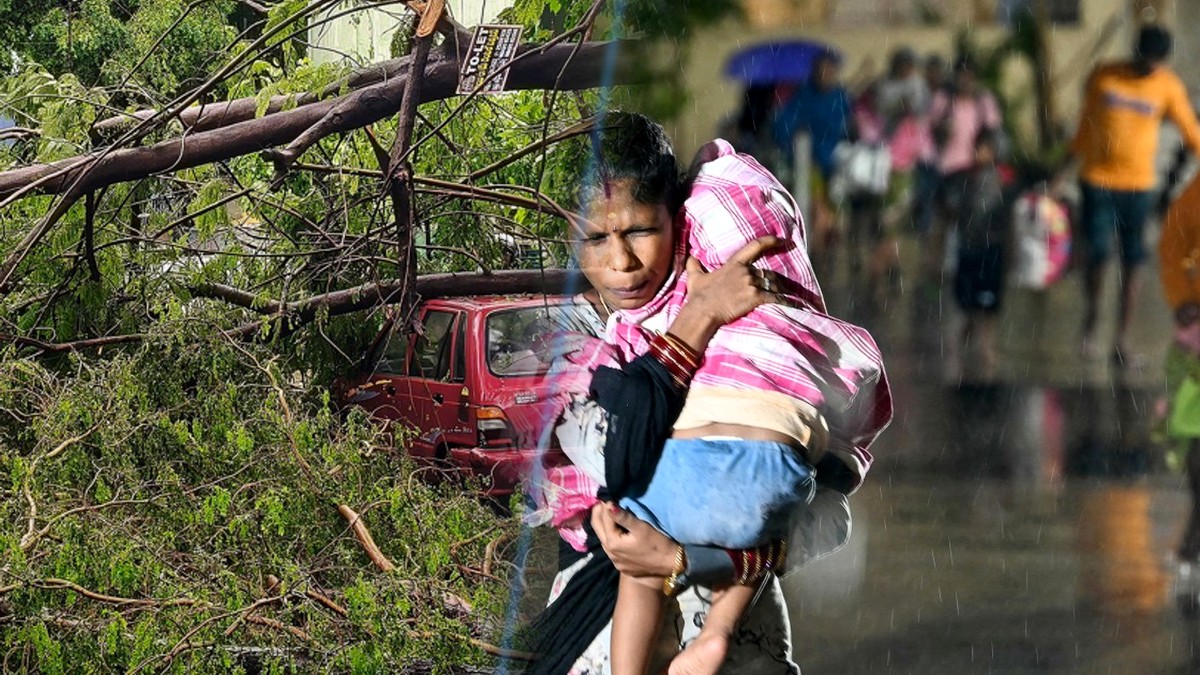
At least three people have been killed and more than 180,000 evacuated after Cyclone Arnab, a very severe cyclonic storm, slammed into India's eastern coast, toppling trees, flooding homes and cutting power across large parts of Andhra Pradesh.
The storm made landfall in Andhra Pradesh early on Wednesday before moving inland, the India Meteorological Department said. It was classed as a "very severe cyclonic storm", the third-highest category on the department's scale, with forecast winds of 125 to 135km/h and gusts of up to 150km/h.
Deaths and damage
"Three people have lost their lives," Narendra Singh Bundela, an official with India's National Disaster Response Force, told Reuters. Officials said two women were electrocuted in separate incidents in the port city of Visakhapatnam, while a third person was killed by a falling tree in East Godavari district.
Andhra Pradesh Chief Minister N Chandrababu Naidu said the storm destroyed at least 180 houses and brought down 220 trees, as well as damaging crops and disrupting electricity supply in several areas. Naidu has written to federal Home Minister Amit Shah about the damage. Konaseema district was among the worst affected, with tens of thousands of acres of farmland battered.
In Kakinada, residents reported streets blocked by fallen trees and water pouring into homes. Neighbouring Odisha was less severely affected, according to the disaster response force.
Evacuations and disruption
- More than 180,000 people were moved to relief camps across Andhra Pradesh and Odisha before the storm hit. Over 12 million people live along the cyclone's projected path.
- Operations at three Andhra Pradesh airports were suspended, India's Civil Aviation Ministry said, and some train services were cancelled.
- Schools along parts of the coast were closed.
- Forecasters warned of a storm surge of 1 to 1.5 metres above normal tide that could flood low-lying coastal areas.
Weakening inland
Wind speeds were expected to ease as Arnab moved further inland, though heavy rain was forecast for several neighbouring states. In Nepal, authorities suspended trekking permits to high mountain areas for three days, citing the risk of rain, blizzards and avalanches linked to the weather system.
India's east coast is regularly hit by cyclones from the Bay of Bengal between October and December. Improved early warning and large-scale evacuations have sharply reduced death tolls in recent years compared with storms such as the 1999 Odisha super cyclone, which killed about 10,000 people.
Photos: Al Jazeera; NBC News. Thumbnail design: HAMASTA MEDIA.


Take your event live to thousands.
Multi-camera live streams, panel discussions and digital broadcasts with professional crews.




More in International
See all
North Korea fires about a dozen ballistic missiles into the sea as border tensions with the South rise

Trump says he approved Vance's outreach to Iran over 'medical supplies' as Tehran pushes 7-day plan to reopen Hormuz

Israel election ends in deadlock as Netanyahu bloc stalls at 53 seats and Arab parties win record 19

Tanzania marks one year since deadly election crackdown as families still wait for justice

Defeated Brazilian candidate Flávio Bolsonaro flees to Miami despite court order to hand over passports

Up to 50,000 Ethiopians have fled into Kenya's Moyale as Oromia-Somali clashes rage, UNHCR says
Global Community Remarks
0