
Tanzania marks one year since deadly election crackdown as families still wait for justice

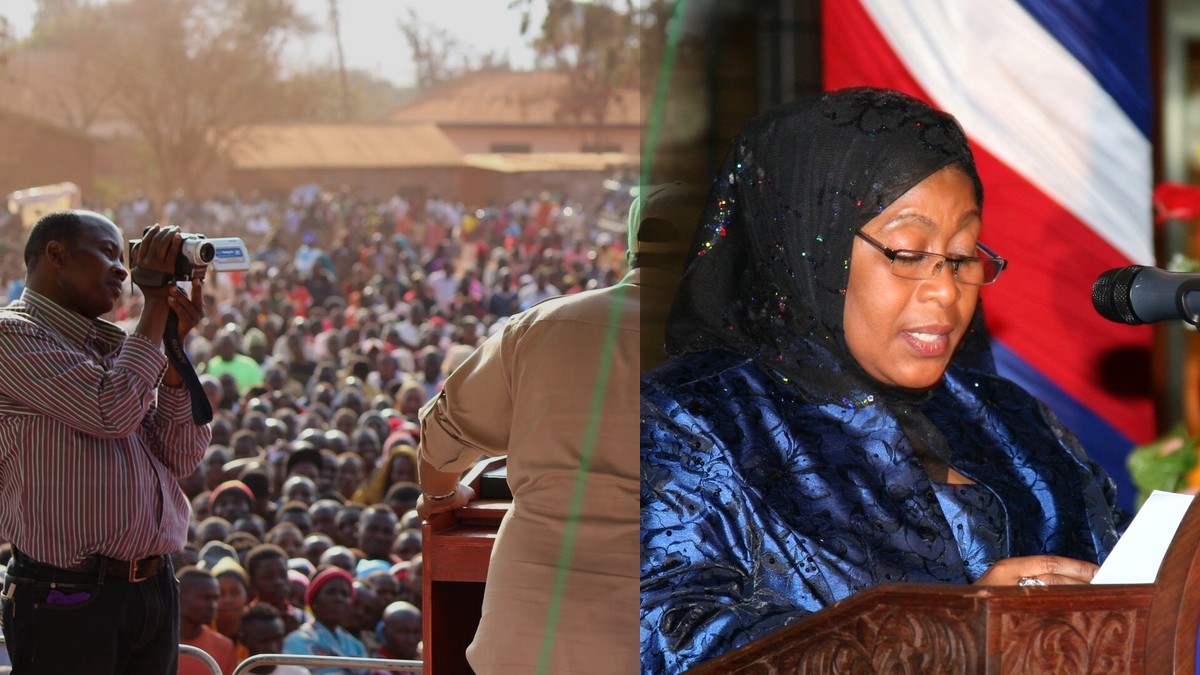
Tanzania on Thursday marks one year since its disputed general election of 29 October 2025, which was followed by a wave of protests and a security crackdown that left at least 518 people dead, with grieving families saying they are still waiting for answers.
The anniversary comes under tight restrictions. A ban on protests and remembrance gatherings remains in place, and police spokesperson David Misime said on Monday that officers had information about plans to incite violence and damage property, warning political leaders, clerics and activists against what he called secret meetings.
Masses, prayers and flags at half-mast
The Tanzania Episcopal Conference has directed Catholic parishes to hold special Masses on 29 October for the dead, the injured, the missing and their families, while the Christian Council of Tanzania called a national day of prayer for healing and peace, The EastAfrican reports. The opposition party Chadema, which was barred from last year's vote, said it would fly its flags at half-mast.
The Tanzania Human Rights Defenders Coalition has asked President Samia Suluhu Hassan to declare 29 October a National Day of Remembrance, as recommended by a presidential commission. "There is no future that does not require forgiveness, but there is no genuine forgiveness without truth," said the coalition's executive director, Onesmo Ole Ngurumwa.
Two inquiries, no names
The government-appointed Chande Commission, led by retired Chief Justice Mohamed Chande Othman, recorded at least 518 deaths, many from gunshot wounds, and more than 2,000 injuries. It acknowledged the toll could be higher because some families buried relatives without reporting to morgues. Human Rights Watch researcher Oryem Nyeko told DW the real figure is "far more" than 518.
The commission did not identify the units or commanders responsible. A second inquiry led by retired judge Shaban Ally Lila, appointed in August, has finished collecting evidence and is analysing its findings; its mandate includes deaths in unusual circumstances, excessive force and missing persons. President Samia has described the unrest as an attempt to overthrow the government, and the Home Affairs ministry declined to comment to DW, citing the legal process.
'Is this justice?'
Families interviewed by DW and The EastAfrican described lasting pain. One Arusha mother said her 19-year-old son was shot outside his workplace by people in police uniforms. "The pain is still unbearable," she said. Another relative, whose name DW changed, asked: "They behave as if nothing happened. Is this justice?"
Amnesty International has previously accused security forces of using unlawful lethal force. Meanwhile, Chadema leader Tundu Lissu remains on trial for treason, a charge he denies, and this week ended a brief hunger strike in prison.
For Kenya, the anniversary comes days after Chadema official Twaha Mwaipaya was reportedly abducted in Kamulu, on the outskirts of Nairobi, and remains missing.
Photos: Likumbage via Wikimedia Commons (CC BY-SA 4.0, Chadema rally); US Embassy Dar es Salaam via Wikimedia Commons (public domain, Samia Suluhu Hassan). Thumbnail design: HAMASTA MEDIA.
Every moment, captured beautifully.
Events, corporate portraits, products and editorial shoots by our newsroom photographers.





More in International
See all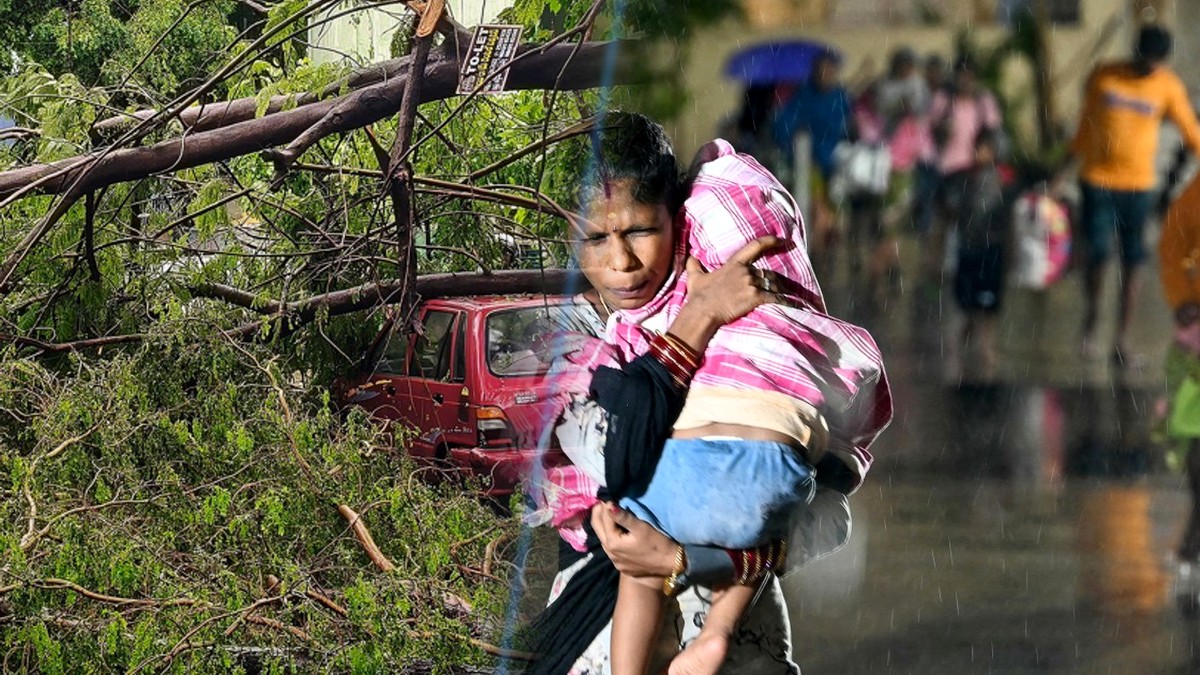
Cyclone Arnab kills three in India as more than 180,000 are evacuated from Andhra Pradesh and Odisha coast
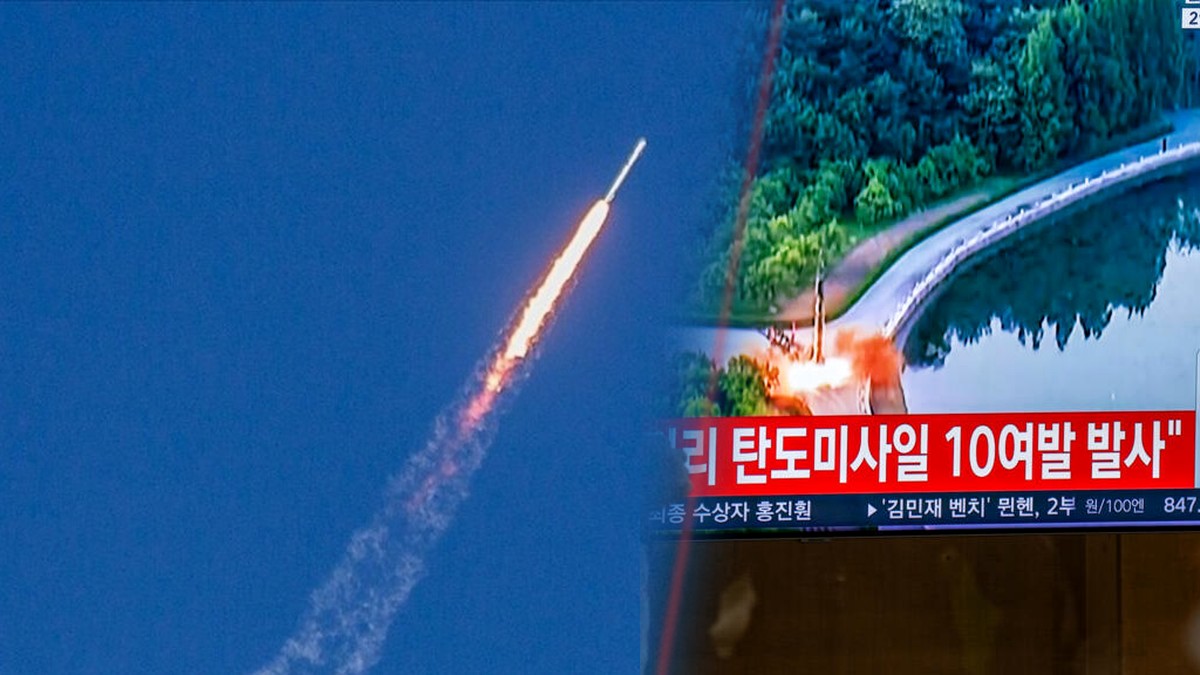
North Korea fires about a dozen ballistic missiles into the sea as border tensions with the South rise

Trump says he approved Vance's outreach to Iran over 'medical supplies' as Tehran pushes 7-day plan to reopen Hormuz
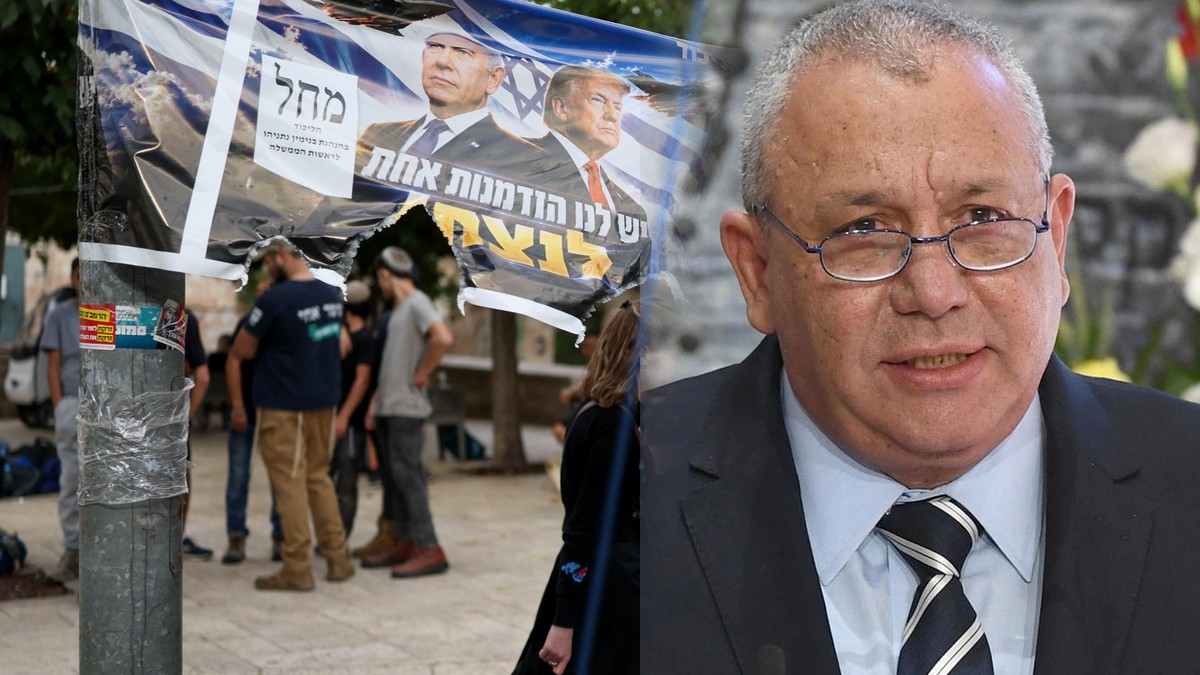
Israel election ends in deadlock as Netanyahu bloc stalls at 53 seats and Arab parties win record 19
Defeated Brazilian candidate Flávio Bolsonaro flees to Miami despite court order to hand over passports
Up to 50,000 Ethiopians have fled into Kenya's Moyale as Oromia-Somali clashes rage, UNHCR says
Global Community Remarks
0