
Trump says he approved Vance's outreach to Iran over 'medical supplies' as Tehran pushes 7-day plan to reopen Hormuz

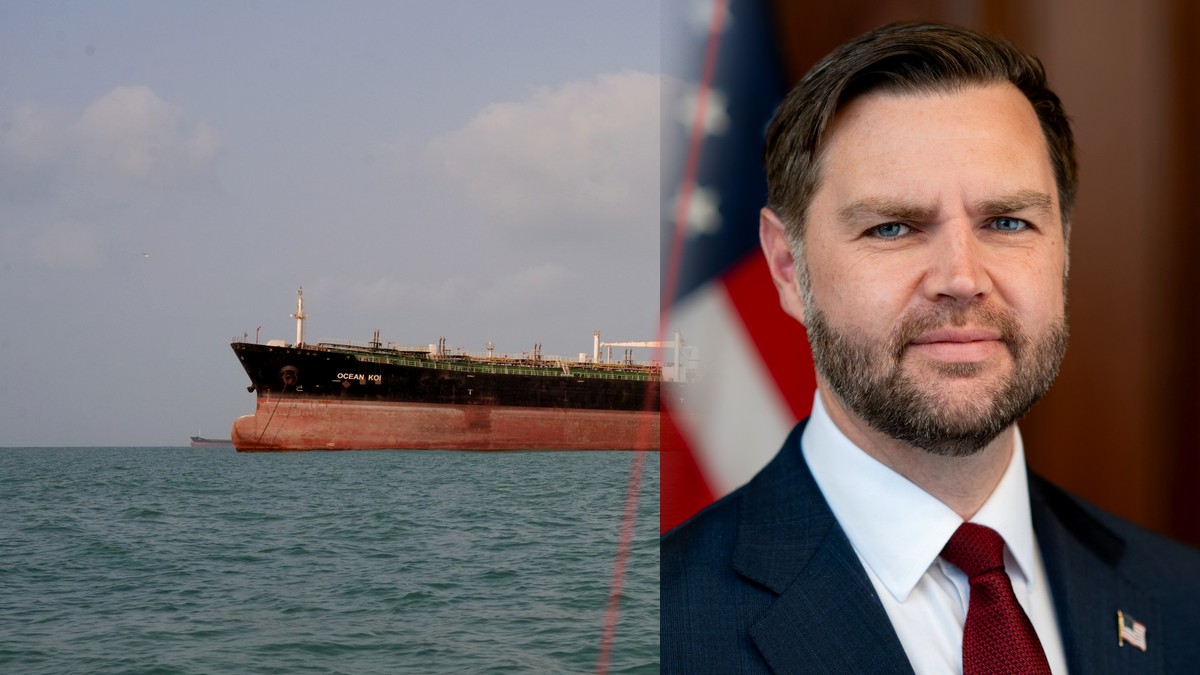
US President Donald Trump says he approved Vice President JD Vance's contact with Iran, but insists the outreach was about helping Tehran obtain medical supplies rather than reopening peace negotiations to end the eight-month war between the two countries.
"Iran needs help with medical supplies. Basically, it's getting supplies in to help people that are not well," Trump told reporters, adding that Vance had approached him for permission. He denied directing his deputy to start talks.
Conflicting accounts
Trump's version differs from reports in the US press. The Wall Street Journal, citing a person familiar with the matter, reported that Vance wrote to Mohsen Rezaei, secretary of Iran's Supreme National Security Council and a former Revolutionary Guards commander, setting out a possible framework for negotiations, and that the letter was sent at Trump's direction. Axios reported that the letter stressed that Iran's nuclear programme must be addressed in any future talks.
The mixed signals come as the Associated Press, citing two senior diplomats, reports that Trump has repeatedly indicated he is considering new strikes on Iran after the US midterm elections on 3 November. US officials are said to have urged allies in the Middle East to prepare for possible renewed military action. Washington has not carried out major strikes on Iran since September.
Tehran's seven-day plan
In Tehran, Foreign Minister Abbas Araghchi said Iran was working with intermediaries on its own proposal to end the conflict and reopen the Strait of Hormuz, the narrow waterway through which a large share of the world's oil normally passes.
"We remain in close and ongoing contact with intermediaries," Araghchi wrote on X, saying the talks were focused on ideas to ensure implementation of what Iran calls its 7-Day Plan.
Tension in the strait remains high. On Thursday Iran's Revolutionary Guards navy claimed that three oil tankers had caught fire after hitting mines on a southern route it considers unauthorised, saying the ships had switched off their radar and navigation systems. The claim has not been independently confirmed, and no ship owners, flag states or insurers had commented. Western maritime agencies have disputed similar Iranian claims in recent weeks.
Why it matters beyond the Gulf
- Disruption in Hormuz has kept global oil and shipping costs elevated, feeding into fuel prices in import-dependent economies such as Kenya.
- African trade officials warned this week that the war is threatening food security across the continent by raising fertiliser and freight costs.
- Iran-backed Houthi fighters in Yemen have continued to target Saudi oil installations and airports, keeping Red Sea shipping routes under strain.
Whether Vance's letter opens a door to talks or is overtaken by a new round of strikes after the midterms is likely to become clearer in the coming weeks.
Photos: Ali Saeedi/Getty Images via Al Jazeera; Emily J. Higgins/The White House via Wikimedia Commons (public domain). Thumbnail design: HAMASTA MEDIA.
Every moment, captured beautifully.
Events, corporate portraits, products and editorial shoots by our newsroom photographers.





More in International
See all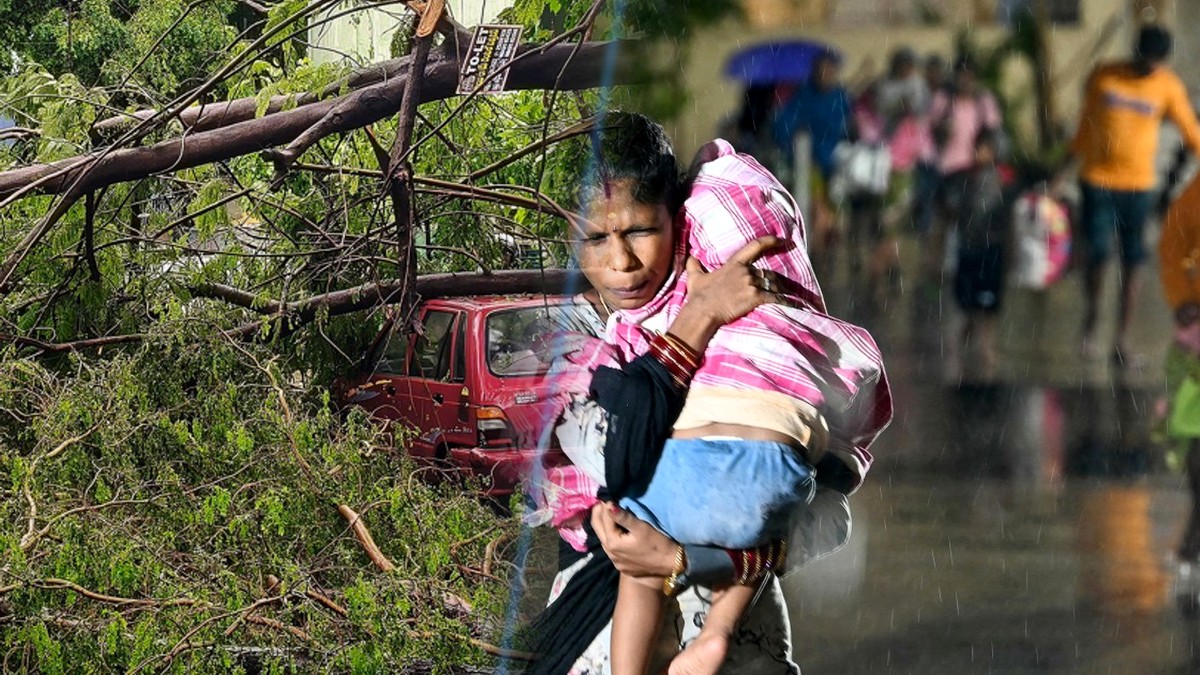
Cyclone Arnab kills three in India as more than 180,000 are evacuated from Andhra Pradesh and Odisha coast
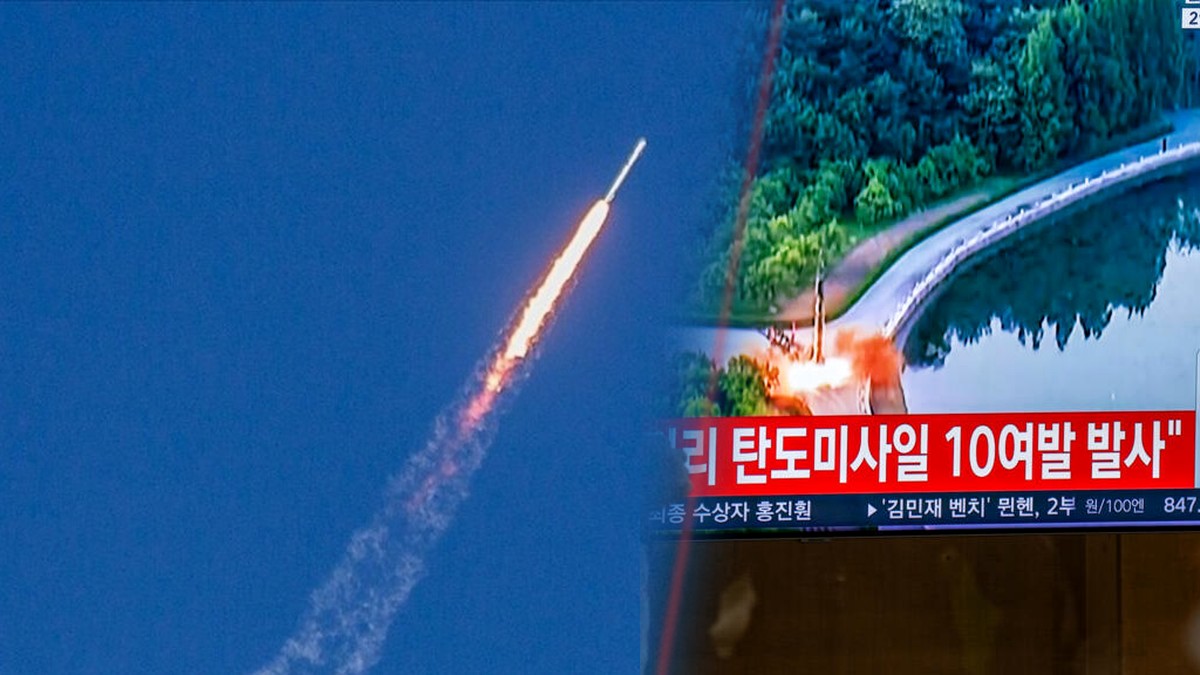
North Korea fires about a dozen ballistic missiles into the sea as border tensions with the South rise
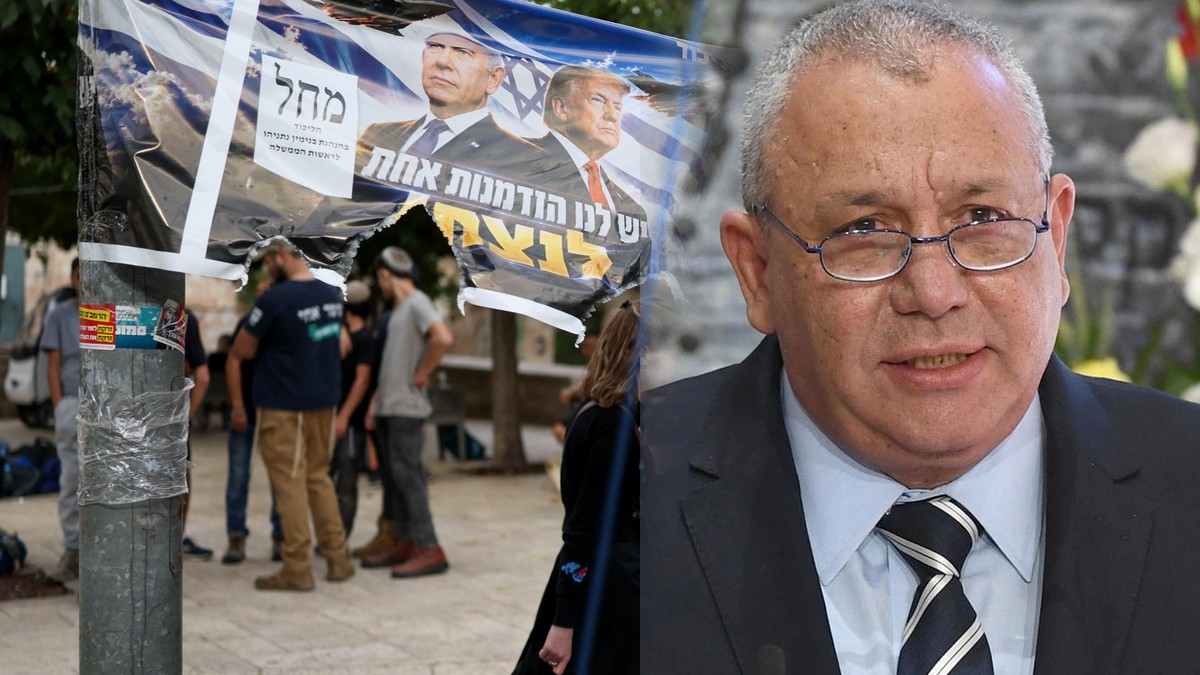
Israel election ends in deadlock as Netanyahu bloc stalls at 53 seats and Arab parties win record 19
Tanzania marks one year since deadly election crackdown as families still wait for justice

Defeated Brazilian candidate Flávio Bolsonaro flees to Miami despite court order to hand over passports

Up to 50,000 Ethiopians have fled into Kenya's Moyale as Oromia-Somali clashes rage, UNHCR says
Global Community Remarks
0