
Israel election ends in deadlock as Netanyahu bloc stalls at 53 seats and Arab parties win record 19

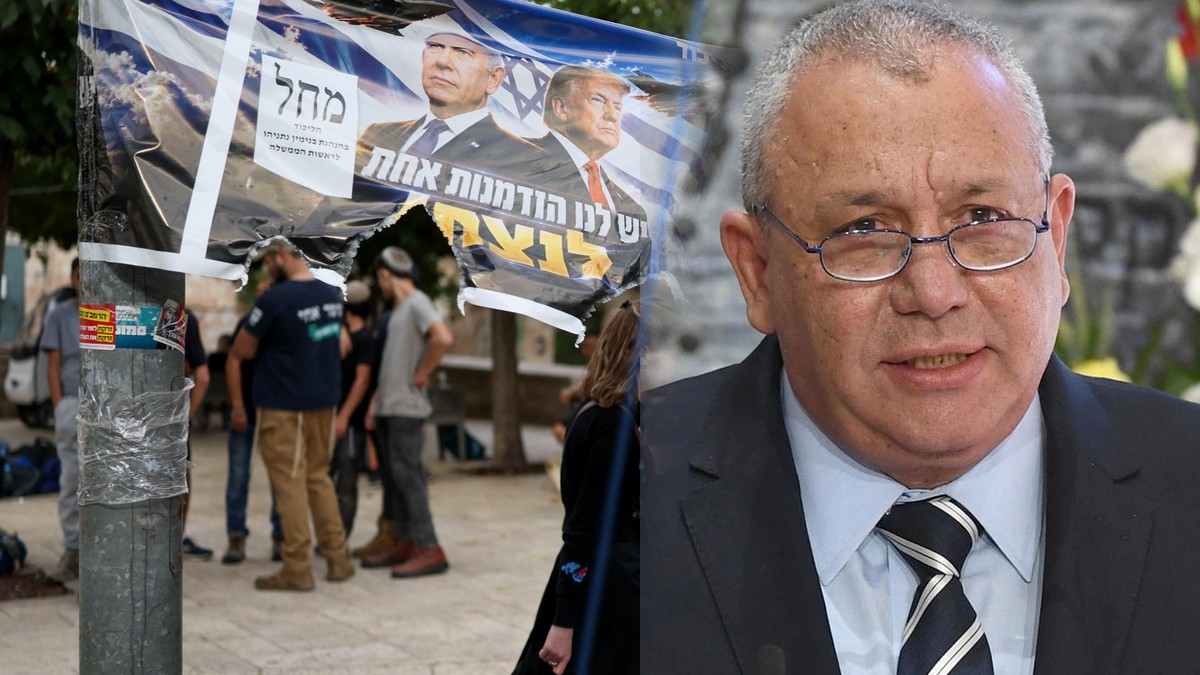
Israel's first general election since the 7 October 2023 attack and the Gaza war has produced no clear winner, with neither Prime Minister Benjamin Netanyahu nor his main challenger, former army chief Gadi Eisenkot, on course for the 61 seats needed to govern in the 120-member Knesset.
By Thursday morning more than 90 per cent of ballots had been counted. Projections reported by Al Jazeera and France 24 give Netanyahu's right-wing and religious bloc 53 seats and Eisenkot's centrist opposition bloc 48. Arab-led parties, the Joint List and Ra'am, are projected to take a combined 19 seats, the highest Arab representation in Israel's history.
Votes still being counted
More than half a million special double-envelope ballots, cast by soldiers, diplomats and others voting away from their registered polling stations, were still being tallied on Thursday and could shift the final seat numbers. The Central Elections Committee began counting mail-in votes at 1am, and final results could be released as early as Thursday evening.
The vote was widely seen as a referendum on the 77-year-old Netanyahu, Israel's longest-serving leader, who remains caretaker prime minister until a new government is sworn in.
'Stolen' claims and kingmakers
Netanyahu's Likud party reacted angrily to the deadlock, saying in a statement that the election had been "stolen by Arab parties that support terrorism". The party says it is passing what it calls evidence of irregularities at Arab polling stations to the police, the Shin Bet security service and the elections committee. No evidence has been made public.
Far-right National Security Minister Itamar Ben-Gvir went further, calling on the Shin Bet to arrest Arab party leaders over alleged Qatari funding, claims France 24 described as unproven.
The Joint List rejected what it called a "government of butchers" and said high Arab turnout was decisive in denying Netanyahu a majority. Its leader, Yousef Jabareen, said the alliance could support an anti-Netanyahu government from outside but would not sit in it. Both Netanyahu and Eisenkot have ruled out a minority government that depends on Arab-led parties.
Eisenkot wrote on X that his camp had been handed the "heavy task" of bringing change to Israel and forming what he called a "Zionist mobilisation government".
What happens next
- President Isaac Herzog is expected to begin consultations with party leaders next week before asking one of them to try to form a government.
- Herzog has urged parties to "do everything" to avoid another election.
- Analysts say Netanyahu may seek a unity government, possibly including Eisenkot, though that is far from certain.
- If repeated attempts fail, Israelis could return to the polls early next year.
On Wednesday evening, demonstrators in Tel Aviv called for Arab parties to be included in the next coalition. In Lebanon, Hezbollah leader Naim Qassem said the group was not concerned with who wins.
The outcome will be watched closely across the region, including in East Africa, where Israel has deepened security and agricultural ties with Kenya and Ethiopia in recent years.
Photos: Reuters via Al Jazeera; Israel Government Press Office via Wikimedia Commons (CC BY-SA 3.0). Thumbnail design: HAMASTA MEDIA.

Tell your story on screen.
Commercials, documentaries, interviews and social video, from script to final cut.





More in International
See all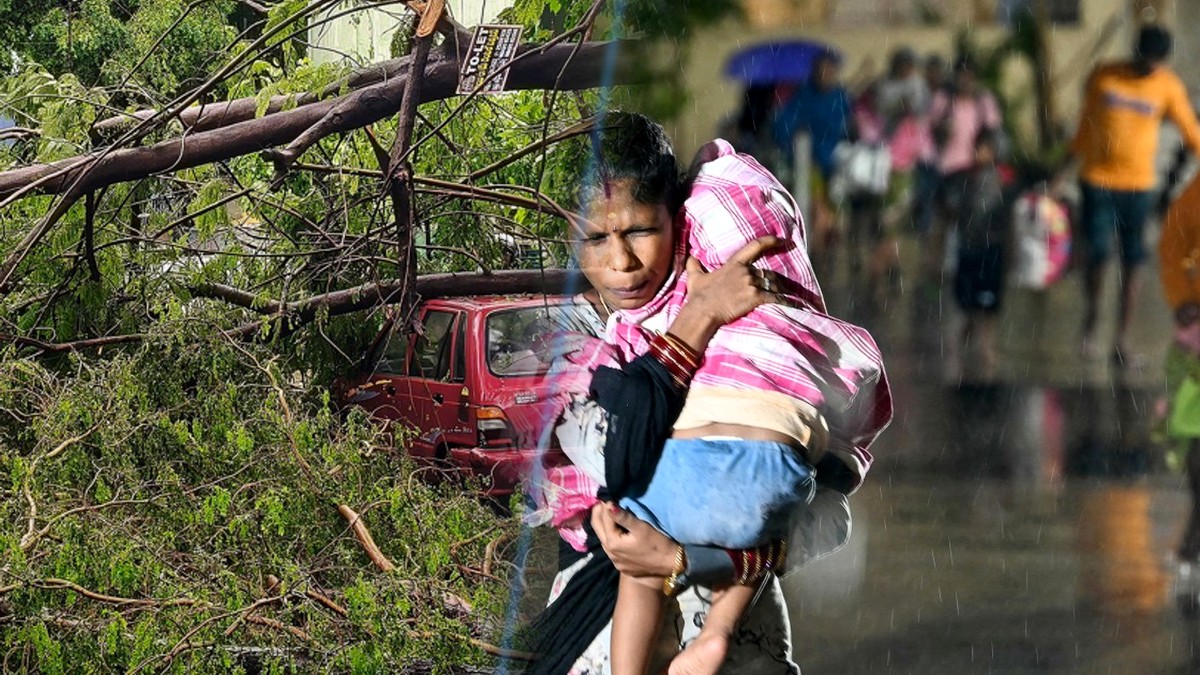
Cyclone Arnab kills three in India as more than 180,000 are evacuated from Andhra Pradesh and Odisha coast
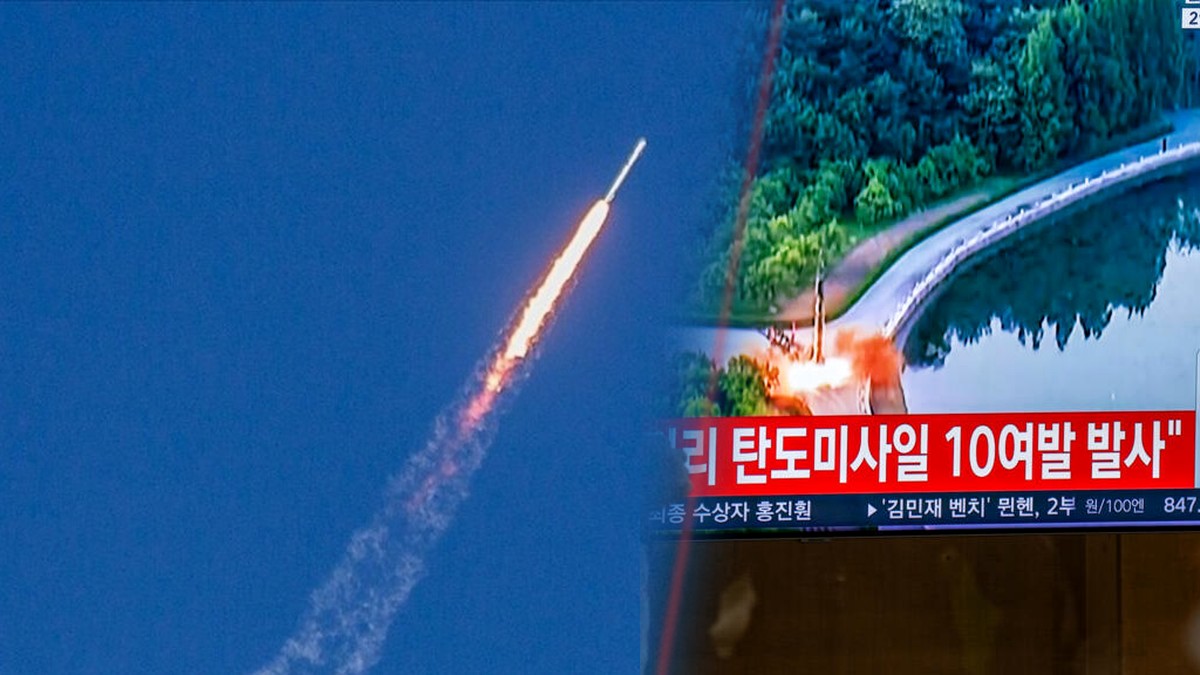
North Korea fires about a dozen ballistic missiles into the sea as border tensions with the South rise
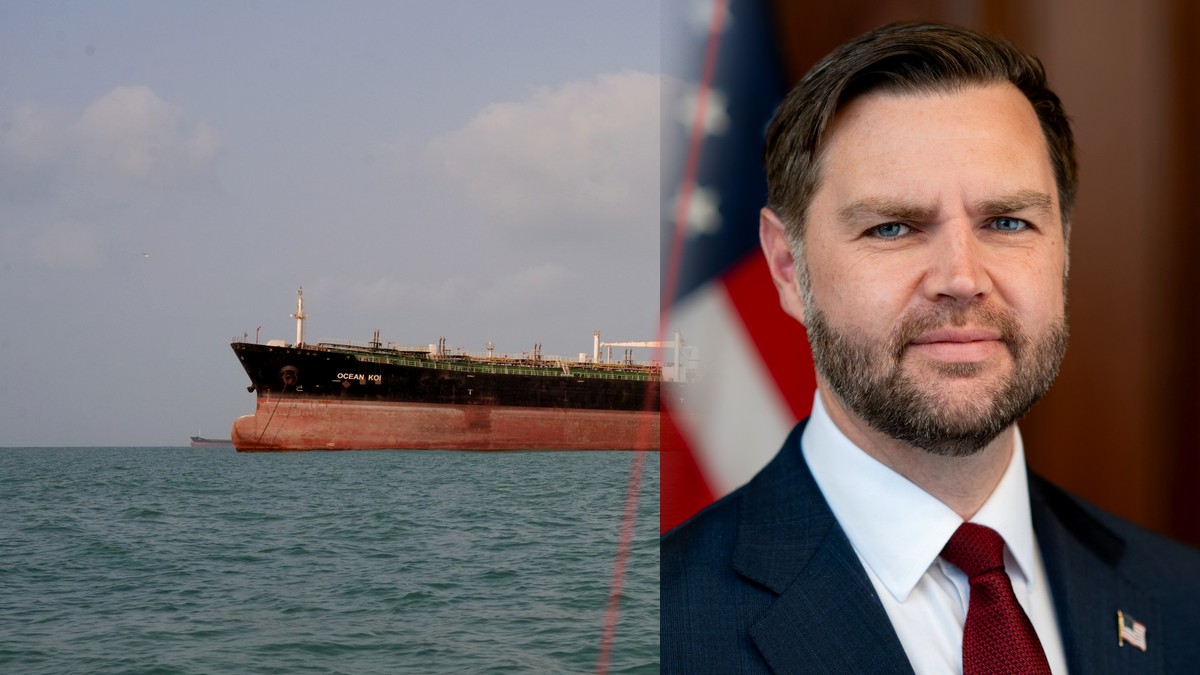
Trump says he approved Vance's outreach to Iran over 'medical supplies' as Tehran pushes 7-day plan to reopen Hormuz
Tanzania marks one year since deadly election crackdown as families still wait for justice
Defeated Brazilian candidate Flávio Bolsonaro flees to Miami despite court order to hand over passports
Up to 50,000 Ethiopians have fled into Kenya's Moyale as Oromia-Somali clashes rage, UNHCR says
Global Community Remarks
0