
Police commission takes recruitment and promotions fight with IG Kanja to the Supreme Court
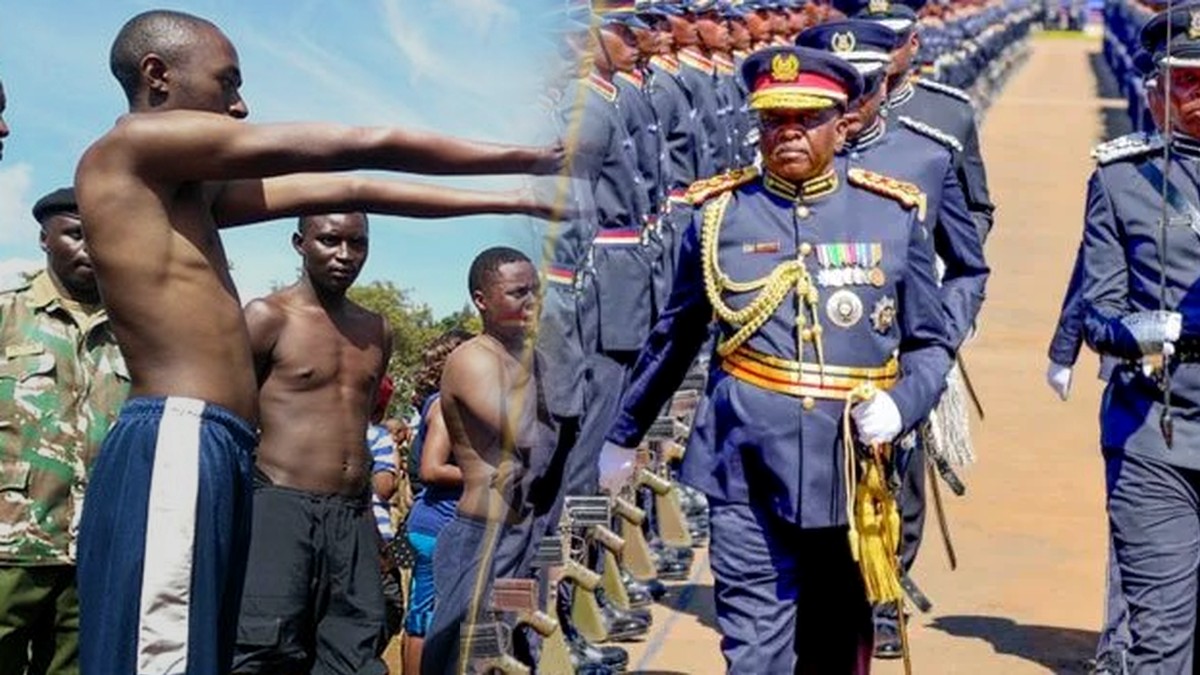
Thousands of young Kenyans hoping to join the National Police Service, and officers waiting on promotions, face fresh uncertainty after the National Police Service Commission (NPSC) moved to the Supreme Court to challenge a ruling that limited its powers over uniformed officers.
In a statement on Friday, October 30, NPSC chairperson Amani Yuda Komora said the commission had filed a notice of appeal against the Court of Appeal's October 16 judgment, which left recruitment, promotion and discipline of sworn officers under Inspector General Douglas Kanja. The move was reported by Kenyans.co.ke, Nation, Capital FM and Eastleigh Voice.
"The Commission has since filed a Notice of Appeal to obtain that clarification in the public interest," the statement said.
The commission insisted it was not trying to interfere with the Inspector General's independent command, but wanted the country's top court to give a final interpretation of the constitutional roles of the two offices.
How the dispute started
The fight dates back to September 2025, when the NPSC advertised vacancies for police constables and published regulations to govern recruitment and appointments. The advertisement was challenged in the Employment and Labour Relations Court, with the Inspector General, the National Police Service, the Attorney General and the National Security Council backing the petition, according to Nation.
On October 30, 2025, exactly a year before Friday's announcement, Justice Hellen Wasilwa declared the commission's 2025 regulations unconstitutional. She barred the NPSC from recruiting, training, employing, assigning, promoting, suspending or dismissing members of the Service, and stopped its recruitment advertisement, leaving the IG to oversee the exercise.
The NPSC and the Law Society of Kenya (LSK) appealed, arguing that Article 246(3) of the Constitution gives the commission power to recruit and appoint people to offices in the Service without distinguishing between uniformed and civilian staff.
What the Court of Appeal decided
On October 16, 2026, Justices Patrick Kiage, Jamila Mohammed and Jessie Lesiit dismissed both appeals. They held that the Constitution deliberately separates sworn officers, described as "members of the Service", from civilian employees who hold offices within it. Only the latter fall under the commission's recruitment, promotion and transfer powers.
Relying on Article 245, which protects the IG's independent command, the judges said no one, including the Cabinet Secretary or the commission, could direct the Inspector General on the employment, promotion, suspension or dismissal of officers. "These are the very matters the commission claims competence over, but the Constitution clearly denies it," they ruled. They also rejected claims that limiting the commission would revive police impunity.
Kanja welcomed the judgment, saying "the constitutional order has been vindicated." Three days later, on October 19, he approved the promotion of 1,948 officers who had completed the required promotional courses.
Why it matters for job seekers
Police recruitment drives have typically been held around October and November. The tug-of-war between the two institutions has already disrupted hiring once, and a fresh appeal reopens questions over who will run the next exercise and whether its outcome could later be challenged.
- The notice of appeal, filed under Rule 36 of the Supreme Court Rules, 2020, does not yet set out the grounds of appeal or the orders the commission will seek.
- The Court of Appeal judgment remains in force unless the Supreme Court issues orders stopping it, meaning the IG keeps control over recruitment and promotions for now.
- The appeal also touches transfers and disciplinary control, areas where officers have long complained of confusion over which body has the final say.
What happens next
The commission must now file its full petition of appeal within the timelines set by the Supreme Court rules, after which the court will give directions on hearing. No hearing date had been set by Friday, and neither the Inspector General's office nor the LSK had publicly responded to the move.
The case is expected to produce a binding interpretation of Articles 245 and 246, settling a dispute that has dogged police management since the commission was created under the 2010 Constitution.
Photos: Eastleigh Voice (recruitment exercise); NPS/Kenyans.co.ke (IG Douglas Kanja). Thumbnail design: HAMASTA MEDIA.


Grow an audience that listens.
Social media management, digital campaigns and online storytelling that converts.



More in Politics
See all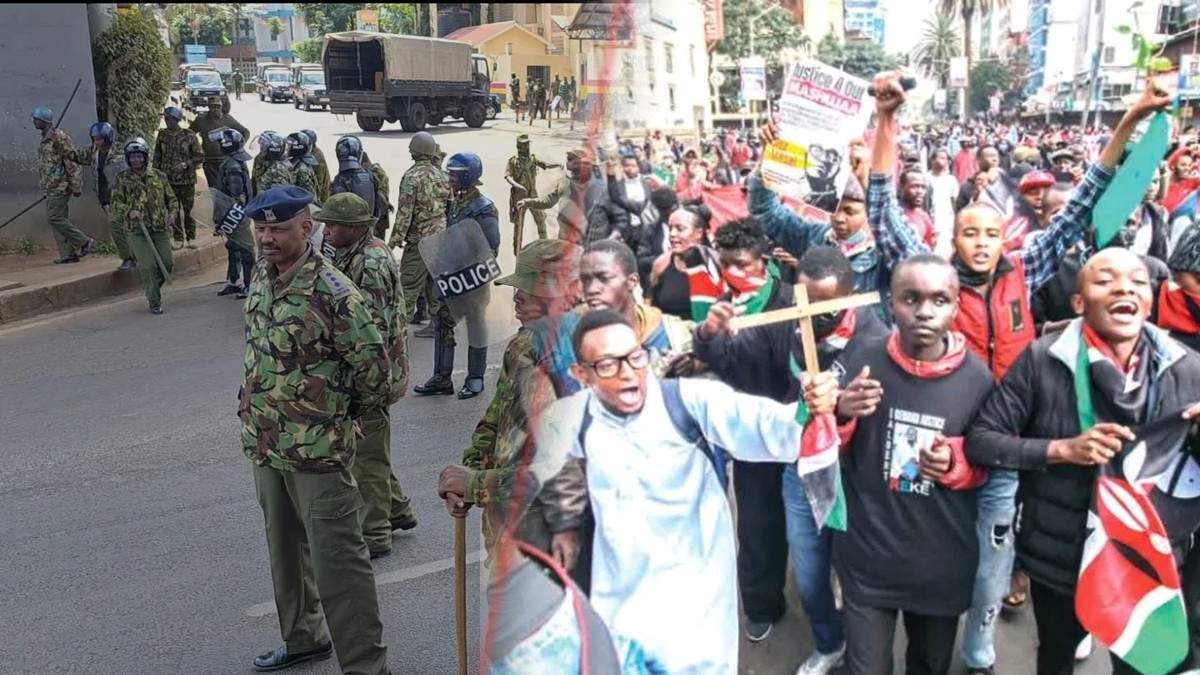
Kenya faces 84.1% risk of election violence as rights report warns of democratic backsliding before 2027
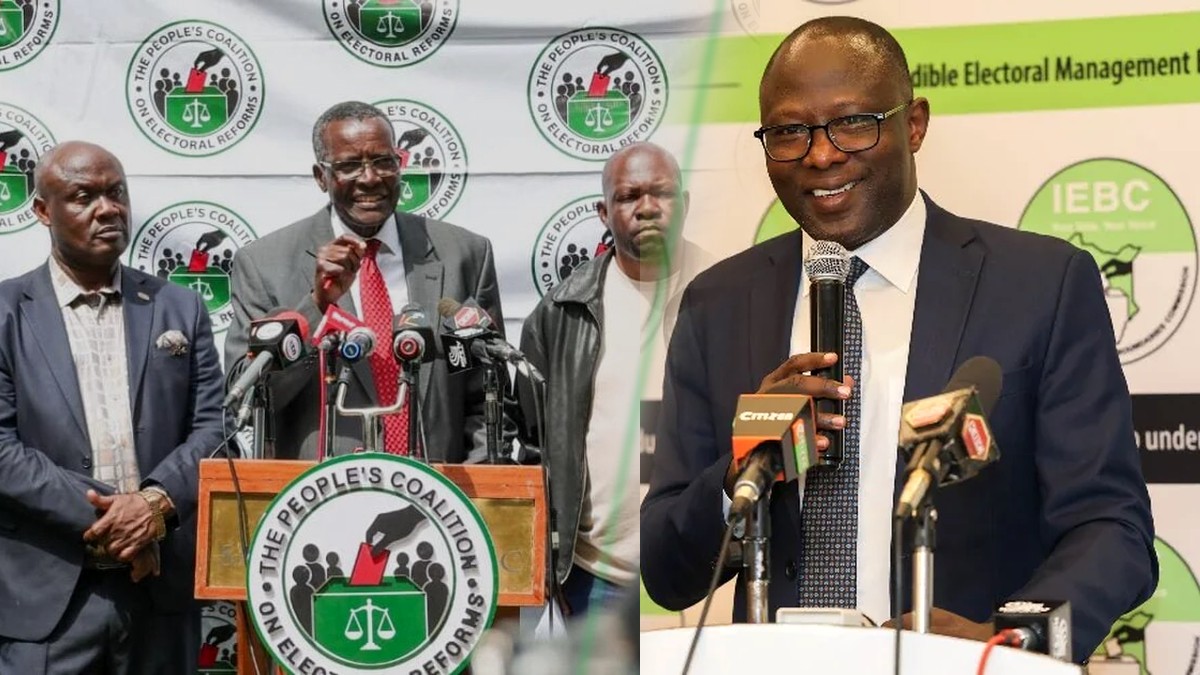
Electoral reform coalition questions 44 names on IEBC CEO applicants' list, gives commission 24 hours to respond
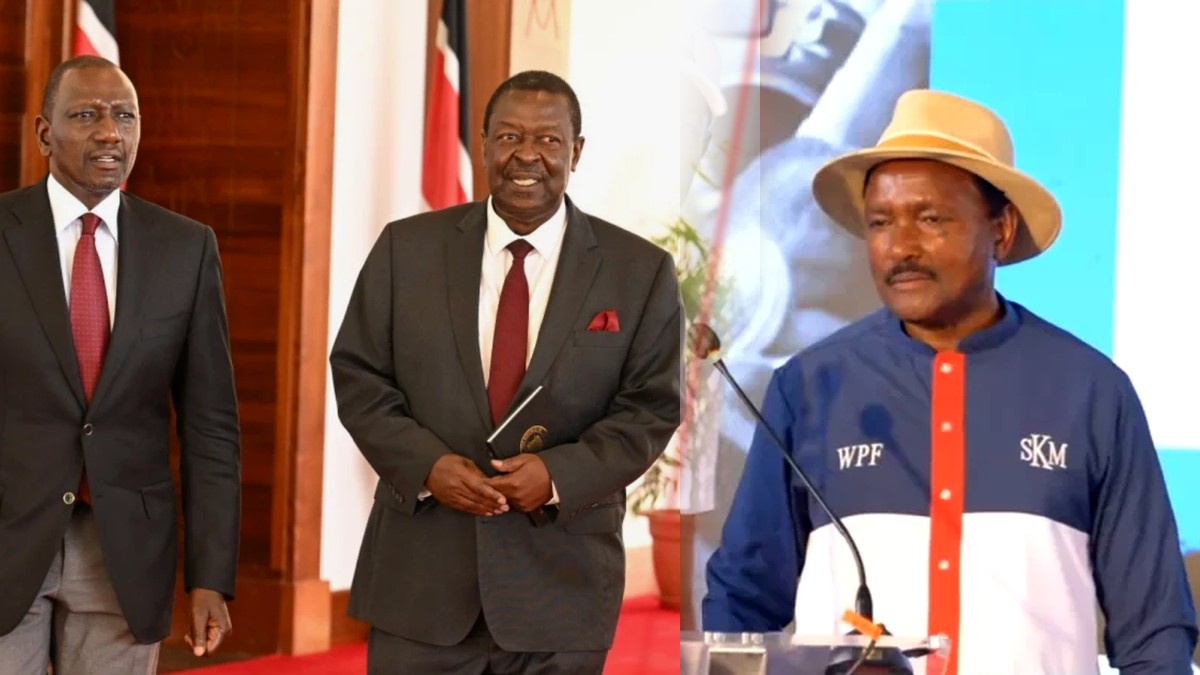
Crowd chants 'President Sifuna' over Kalonzo at Linda Mwananchi launch as Gachagua claims Ruto bought Mudavadi's ANC for Sh20m
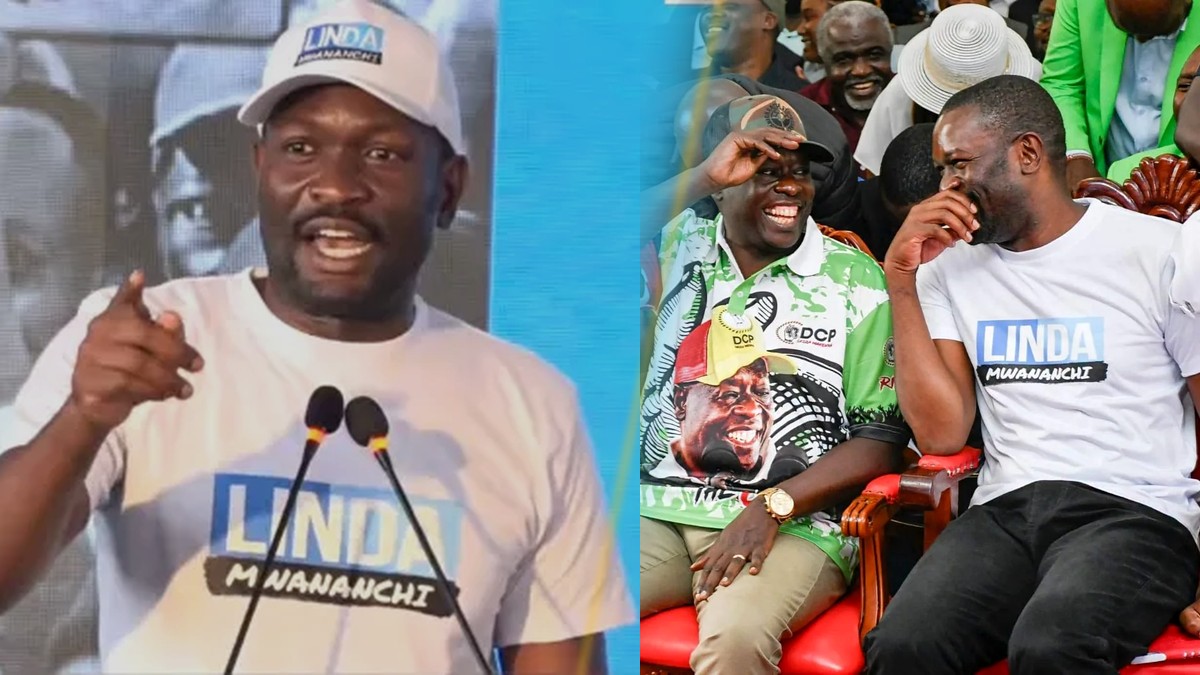
Sifuna promises Sh500bn budget cut to scrap fuel, power taxes and housing levy, faults Ruto over Bayern-Ajax match

Sifuna unveils Linda Mwananchi lineup with Osotsi as chair and Natembeya heading presidential campaign, sets November 13 delegates meeting
Global Community Remarks
0