
Supreme Court faults Nairobi County for approving Westlands high-rises under unapproved planning policy
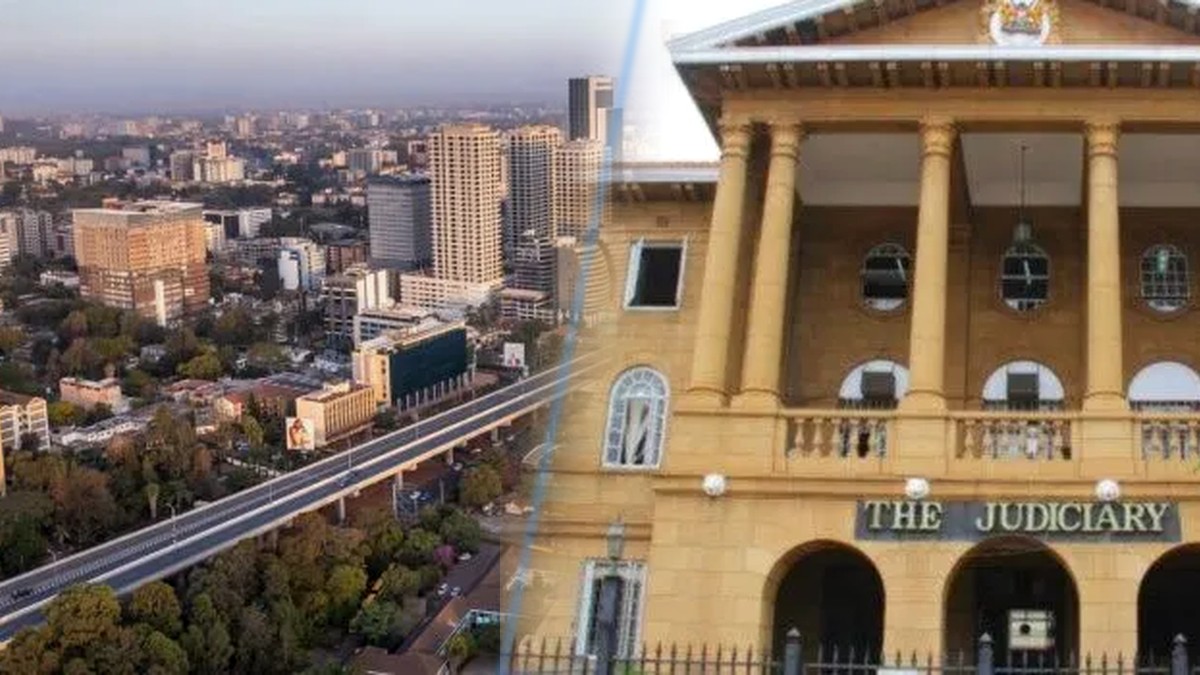
The Supreme Court has faulted Nairobi City County for approving high-rise developments using a planning policy that the County Assembly never passed, in a ruling that could shape how tall buildings are approved across the capital. The judgment, reported by Kenyans.co.ke on Friday, October 30, comes as the city reels from the collapse of an 18-storey building in Eastleigh.
A five-judge bench led by Chief Justice Martha Koome partially allowed an appeal by the Rhapta Road Residents Association, which had challenged the approval of developments of between 17 and 22 floors in the Muthangari area of Westlands.
What the court decided
The residents argued that zoning rules limited buildings in their neighbourhood to four floors, and that the towers would overwhelm water supply, sewerage, roads and other infrastructure in the area.
The Supreme Court found that the county had no legal authority to rely on the Nairobi City Development Control Policy 2021, because the County Assembly had never approved it. According to the judgment as reported, the county kept using the draft document to approve developments, leaving the city without a legally valid planning framework.
"The absence of the County Assembly approved plan suspended" the county's ability to decide development applications on their merits, the court said. It added that setting zones and permissible building heights is the job of planning authorities, which must carry out technical assessments of infrastructure, population density and other factors.
Lower courts also faulted
The case had passed through two lower courts, both of which the Supreme Court criticised for relying on the same unapproved policy:
- The Environment and Land Court capped developments in the area at 16 floors.
- The Court of Appeal, in September 2025, raised the limit to 20 floors, holding that Rhapta Road fell within a zone where such heights were allowed. It also directed the county to finalise a lawful zoning framework.
- The Supreme Court said neither court should have relied on the 2021 draft policy.
No demolition
Despite the finding against the county, the apex court declined to order the demolition of the buildings. It said the residents had not provided enough evidence of environmental damage or violation of their constitutional rights, and described demolition as "an exceptional and most intrusive remedy".
Instead, the court sent the matter back to the Court of Appeal to determine whether the Nairobi City County Development Control Policy 2026 meets the outstanding planning requirements. The county adopted that new policy on June 18 and gazetted it on June 19 this year. The Supreme Court did not rule on its validity, noting that the question had not been argued before it.
Why it matters now
The judgment lands at a sensitive moment for City Hall. Rescue teams in Eastleigh on Friday recovered the first body from the rubble of a building that collapsed while under construction on October 23, and questions over who approved that structure have sparked a public row between Governor Johnson Sakaja and Embakasi East MP Babu Owino. Detectives are questioning county officials and building regulators over the collapse.
While the Rhapta Road case was about zoning and infrastructure rather than structural safety, it puts a spotlight on how Nairobi's planning department has been granting approvals. Residents' associations in Kileleshwa, Lavington and other leafy suburbs have for years complained that high-rise apartments are springing up in areas once reserved for low-density homes, straining roads, water and sewer lines.
What happens next
The Court of Appeal will now have to examine whether the 2026 policy cures the defects identified by the Supreme Court. Developers holding approvals granted under the 2021 draft policy may face fresh legal uncertainty, and residents' groups are likely to cite the ruling in pending challenges. Nairobi County had not publicly responded to the judgment by the time of publication.
Photos: Kenyans.co.ke (Nairobi skyline; Judiciary building). Thumbnail design: HAMASTA MEDIA.


Take your event live to thousands.
Multi-camera live streams, panel discussions and digital broadcasts with professional crews.




More in Crime & Justice
See all
NTSA warns drivers of fake traffic offence notices and receipts as highway crackdown continues

Several injured as speeding Forward Sacco matatu overturns at Umoja on Kangundo Road
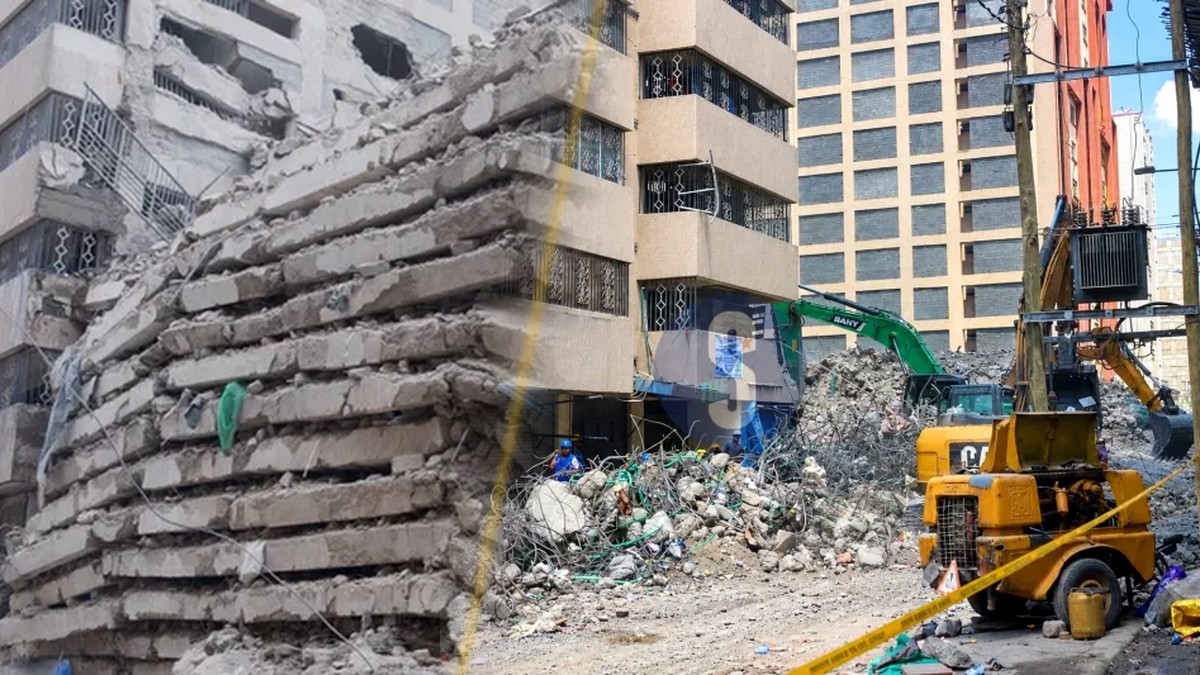
Eastleigh collapse: First body pulled from rubble as bulldozers clear site and 15 remain missing

Nairobi Water driver who faked KCSE grade to get job ordered to refund Sh6.7m in salaries and pay Sh800,000 fines
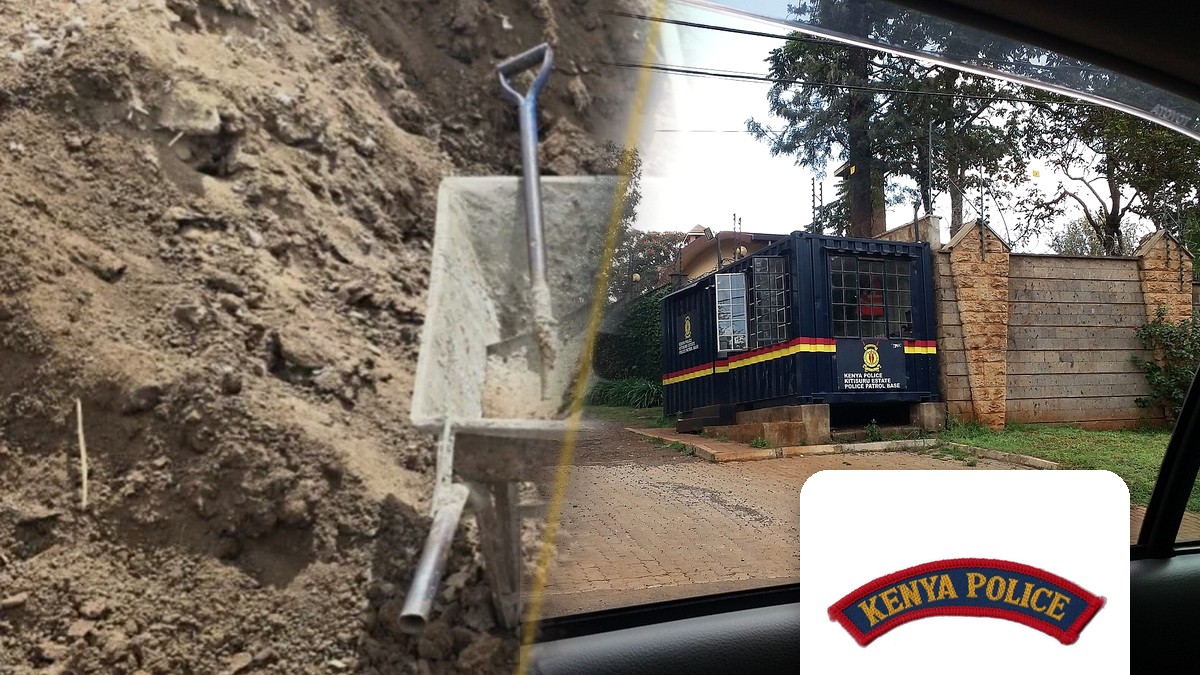
Husband and farmhand held after woman's body is exhumed from shallow grave on Isinya farm

Global Community Remarks
0