
NTSA warns drivers of fake traffic offence notices and receipts as highway crackdown continues
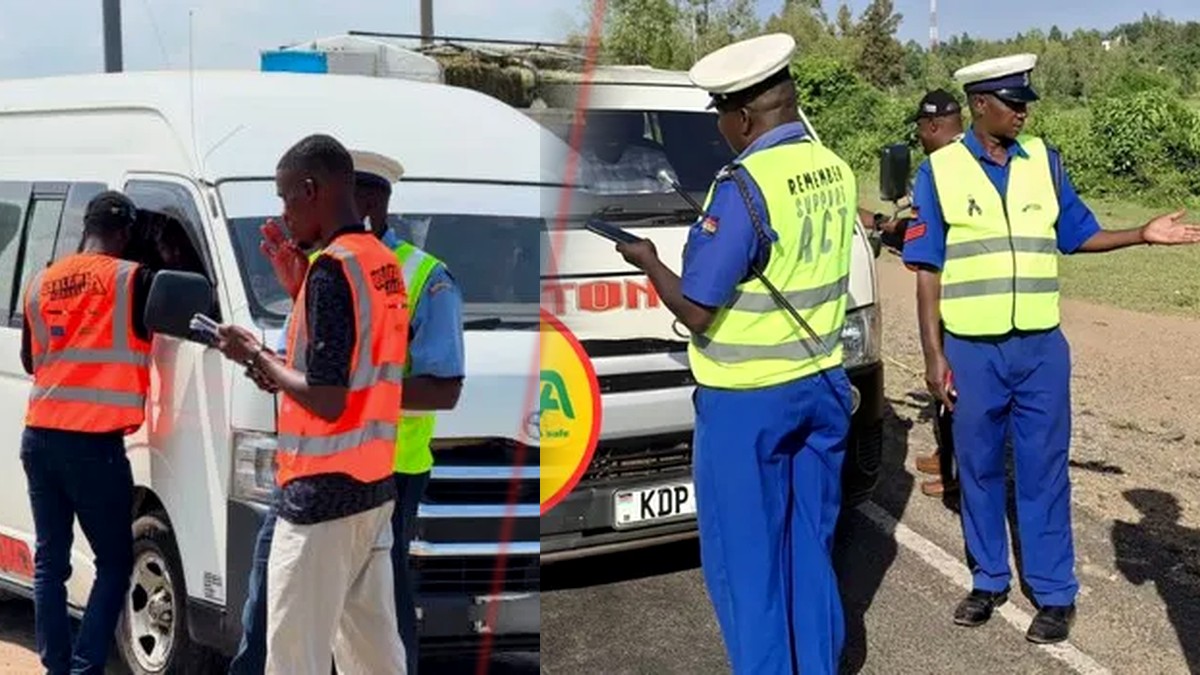
The National Transport and Safety Authority (NTSA) has warned motorists about forged traffic offence notices and fake payment receipts being used to trick drivers into paying fines for offences that were never recorded.
In an advisory to motorists on Friday, October 30, reported by Kenyans.co.ke, the authority said: "Watch out for fake traffic offence notices and payment receipts." It urged drivers to stay alert and to check that any traffic document is genuine before paying.
How the scam works
According to NTSA, the fraudsters use printed documents made to look like official traffic violation notices.
- The papers carry the NTSA name and logo, so they look official at first glance.
- Details of the alleged offence are filled in by hand, with a specific fine demanded.
- Some come with fake payment receipts to make the transaction look complete.
- Motorists are pushed to pay on the spot, often under pressure, before they have time to check anything.
Kenyans.co.ke reported that some motorists had raised concerns about suspicious notices accusing them of offences and telling them to pay immediately. NTSA did not say how many people had been targeted or how much money had been lost.
Why now?
The warning comes in the middle of a large road safety operation. NTSA officers, working with police in a multi-agency team, are carrying out day and night checks on major highways under the "Msimu Bila Ajali, Usalama Barabarani" campaign, launched after a rise in road crashes.
The operation targets drink-driving, expired driving licences, expired inspection stickers, missing insurance and unroadworthy vehicles. On Thursday, NTSA said night checks were a priority because evenings and late nights are among the most dangerous hours on the roads. The authority also recently began real-time speed monitoring and checks to confirm that speed limiters are working.
Some Kenyans online have suggested the crackdown gives fraudsters cover, because drivers expect to be stopped and fined. NTSA has not said there is any direct link between the operation and the scam.
What genuine enforcement looks like
Under the Traffic Act, NTSA and police officers can hand motorists formal traffic offence notices in person. These are valid only if they are authentic and issued through proper channels. Being handed a notice is not in itself a sign of fraud. The warning signs are the details around it.
NTSA has said in earlier advisories that genuine speed-violation alerts sent by text come only from the sender ID "NTSA" (or the short code 22847_NTSA). In July the authority said instant fines are not paid through eCitizen but in person into its account at KCB branches or through KCB agents, a step it described as an added safeguard against fraud.
How to stay safe
- Do not pay cash, or send M-Pesa to a personal number, because someone hands you a paper or receipt.
- Ask for the officer's name, service number and station, and note the vehicle or location of the stop.
- Check any notice or fine through NTSA's official website (ntsa.go.ke), its verified social media pages or its customer care before paying.
- Ignore texts and links from numbers other than the official NTSA sender ID, and never enter your details on look-alike payment sites.
- Pay only through channels NTSA has confirmed, and keep the official receipt.
- Report suspicious notices, texts or people to NTSA or the nearest police station.
Not the first scam
This is the latest in a series of frauds using NTSA's name. About a month ago the authority warned about fake driving licence charges spread on social media, which sent unsuspecting applicants to middlemen who claimed they could speed up licences for a fee. Earlier this year it flagged several waves of fake SMS messages demanding speeding fines through links to cloned payment websites.
With the highway crackdown expected to continue into the festive season, motorists are likely to face more checks on the road. NTSA's advice is simple: comply with genuine officers, but check before you pay.
Photos: Kenyans.co.ke / NTSA. Thumbnail design: HAMASTA MEDIA.


Grow an audience that listens.
Social media management, digital campaigns and online storytelling that converts.



More in Crime & Justice
See all
Supreme Court faults Nairobi County for approving Westlands high-rises under unapproved planning policy
Several injured as speeding Forward Sacco matatu overturns at Umoja on Kangundo Road

Eastleigh collapse: First body pulled from rubble as bulldozers clear site and 15 remain missing
Nairobi Water driver who faked KCSE grade to get job ordered to refund Sh6.7m in salaries and pay Sh800,000 fines
Husband and farmhand held after woman's body is exhumed from shallow grave on Isinya farm
Global Community Remarks
0