
Duale asks World Bank to speed up delayed Sh43.5 billion health projects
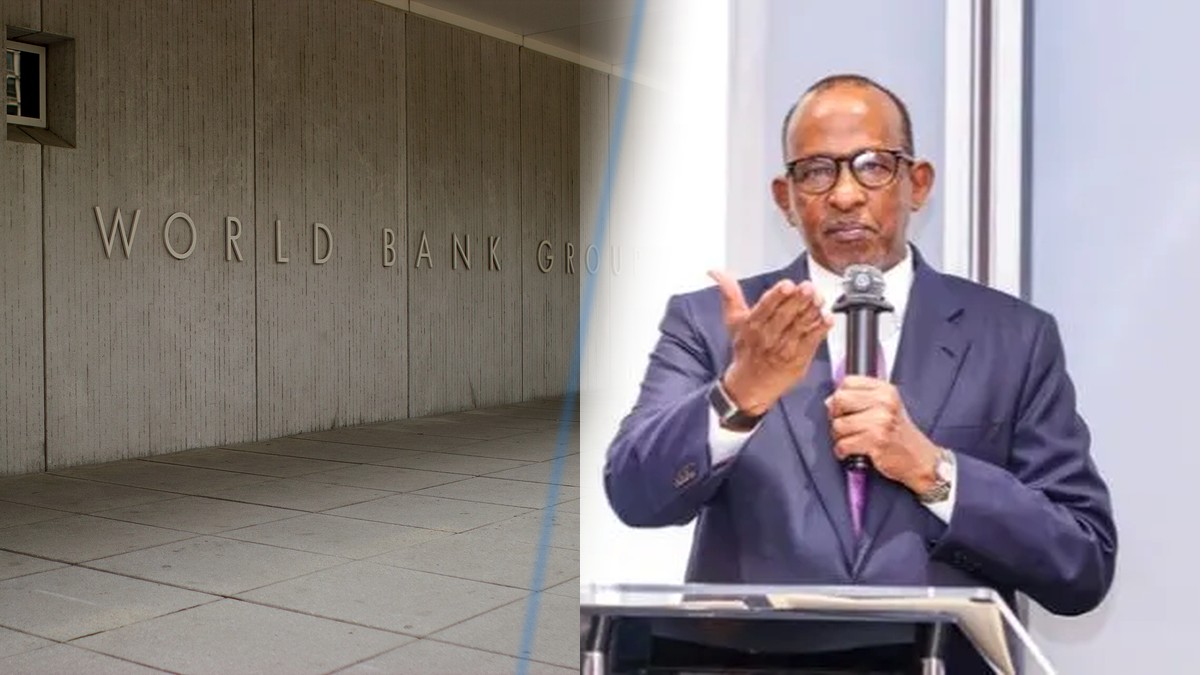
Health Cabinet Secretary Aden Duale has pressed the World Bank to speed up two delayed health programmes worth about Sh43.5 billion, saying Kenya needs to move from drafting reforms to delivering services patients can notice.
Duale made the appeal on Thursday, October 29, when he met a World Bank team led by its manager Ronald Mutasa to review progress, Kenyans.co.ke reported on Friday. The Ministry of Health also published an account of the meeting on its official X account. Health Director General Dr Patrick Amoth, Social Health Authority (SHA) chief executive Dr Mercy Mwangangi and Principal Secretary Dr Ouma Oluga were among the officials present.
The two projects
The meeting reviewed the Building Resilient and Responsive Health Systems (BREHS) project and the Kenya Health Emergency Preparedness, Response and Resilience (KHEPRR) project. Together they are worth $335 million.
- BREHS: about Sh27.9 billion ($215 million). It supports primary healthcare in all 47 counties, better supply of medicines and medical supplies through the Kenya Medical Supplies Authority (KEMSA), and reforms including the move to the Social Health Authority.
- KHEPRR: about Sh15.6 billion ($120 million) over six years, from 2024 to 2030. It funds disease surveillance, laboratories, medical supplies, health worker training and local vaccine manufacturing.
The talks focused on delays in both programmes, how to make better use of money already available, and which interventions should come first.
What Duale wants
Duale said he asked the lender to fit its support around Kenya's own plans. "To accelerate implementation, I sought the World Bank's alignment with our national health priorities and Kenya's 'One Plan, One Budget, One Monitoring and Evaluation Framework,' particularly as we work to deliver faster results in health financing and digital health," he said.
The "One Plan, One Budget" approach means donors fund priorities set out in a single government plan and are tracked against the same targets, instead of running parallel projects with separate reporting. The CS argued that this would improve accountability and speed up delivery.
According to the ministry, the meeting also called for stronger coordination between national and county governments, clear tracking of how funds flow, regular reporting on procurement, and quick resolution of problems holding up implementation. Because health is a devolved function, much of the BREHS money has to pass through county governments, which has been a source of delays in past donor projects.
Why it matters now
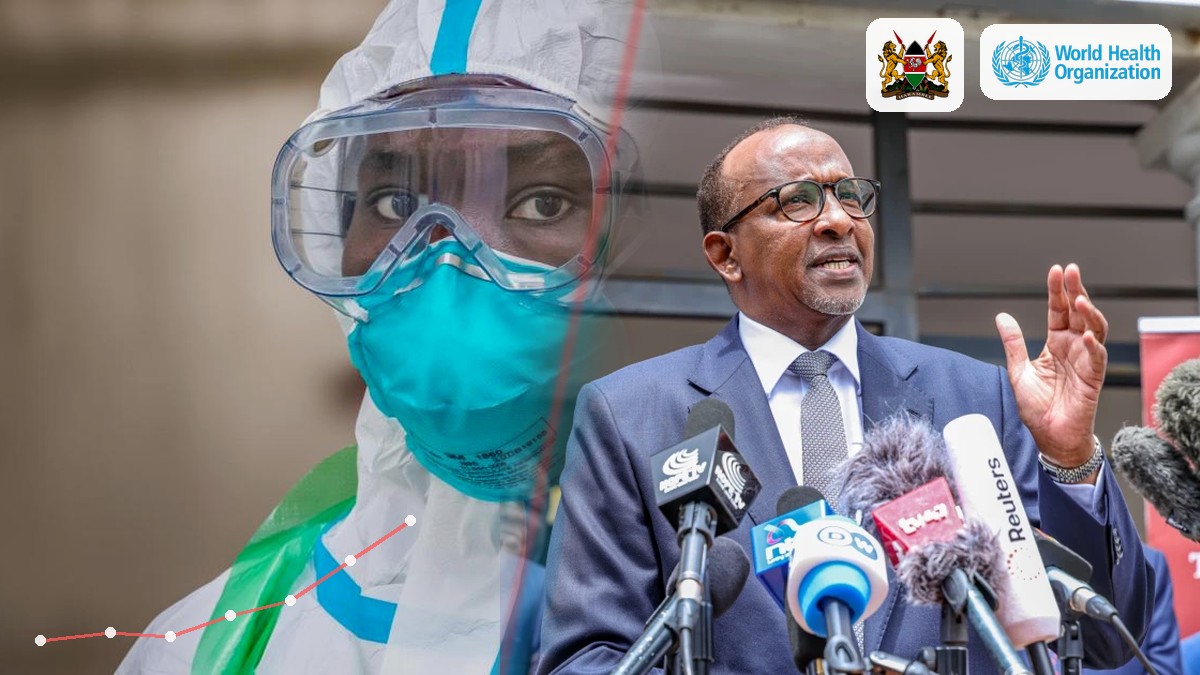
The push comes as Kenya battles its first Ebola outbreak. Nine cases and two deaths had been confirmed by October 26. The KHEPRR project was designed for exactly this kind of emergency, paying for surveillance, testing, rapid response teams and preparedness, so any delay in releasing its funds is felt directly in the response.
The meeting is the latest in a series of talks between the ministry and the World Bank this year. In February, Duale met a team also led by Mutasa and asked for the emergency preparedness project to be extended to September 2030 and for faster disbursement of funds. In September, he hosted World Bank Vice President Mamta Murthi, when the ministry said all implementation agreements for both projects had already been signed and the focus had shifted to delivery.
Kenya relies on the lender for other health spending too. Earlier this month the government secured about Sh51.96 billion in World Bank emergency financing covering health emergencies, medicines, farm inputs, water and sanitation and support for vulnerable households. More than Sh259 million has also been channelled through the UN humanitarian office (OCHA) for the Ebola response.
What happens next
Neither the ministry nor the World Bank has announced new timelines or extra money after Thursday's meeting. The test will be whether money reaches counties, KEMSA and frontline facilities faster in the coming months, especially while the Ebola response is still running.
Duale has staked much of his tenure on SHA and the wider universal health coverage reforms. He has said the World Bank money is meant to back these changes in clinics and hospitals, not just on paper.
Photos: Kenyans.co.ke (CS Aden Duale); Victorgrigas via Wikimedia Commons (CC BY-SA 3.0, World Bank headquarters). Thumbnail design: HAMASTA MEDIA.


Take your event live to thousands.
Multi-camera live streams, panel discussions and digital broadcasts with professional crews.




More in Health
See all
Kenya goes 10 days without a new Ebola case as MoH sets November 11 target to free remaining contacts
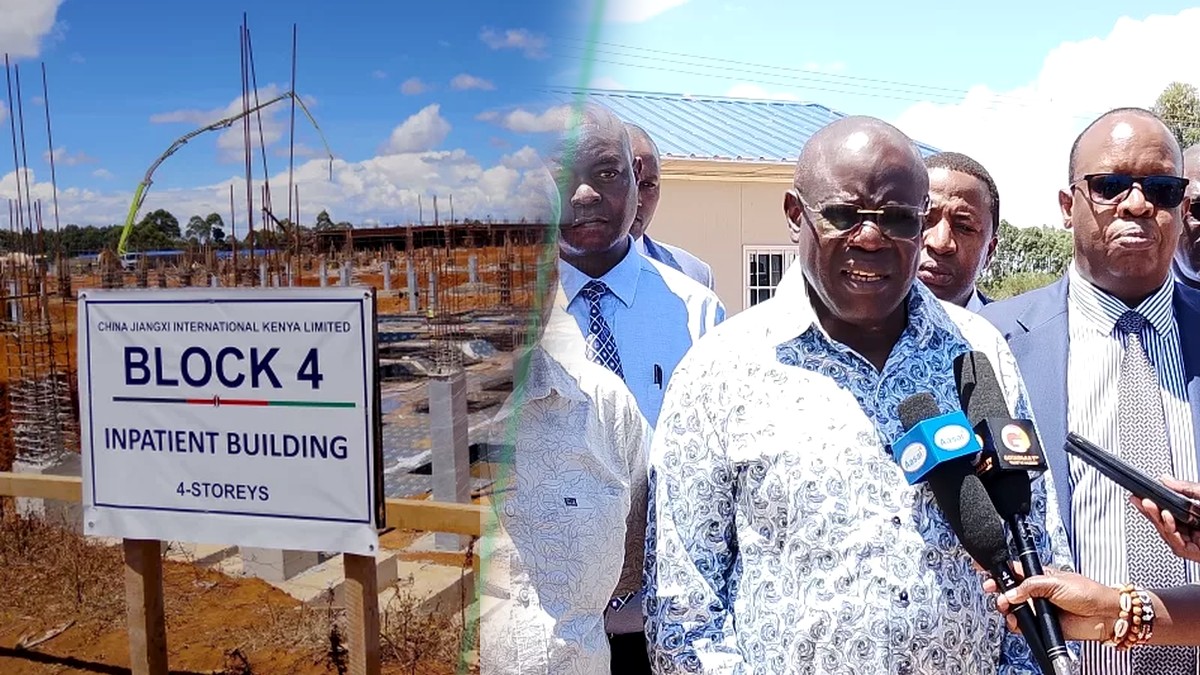
Sh29bn MTRH Kiplombe hospital 11 per cent complete as MPs tour site, first phase targeted for March 2027
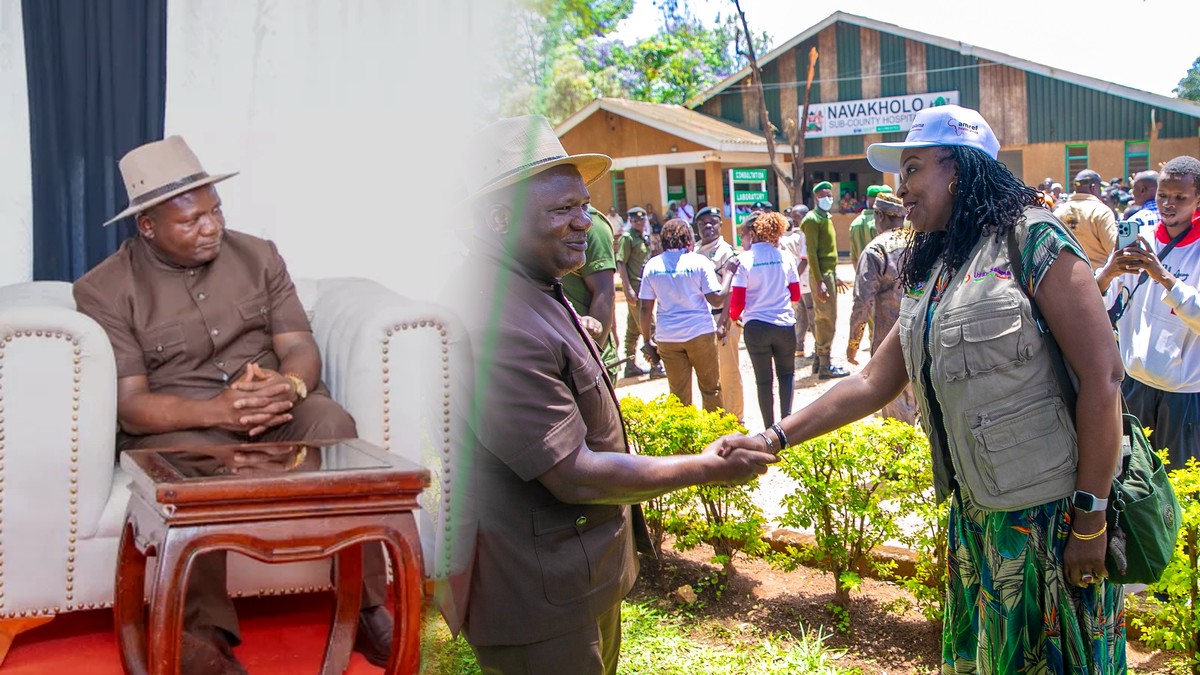
Kakamega breaks ground on 83-bed Navakholo maternity unit as M-Pesa Foundation brings Uzazi Salama to the county
Nurses' union asks Duale to pay nursing interns' July stipends, says delay is causing hardship
Kisumu rolls out MamaCare and mental wellness apps as Nyong'o pushes digital health
Global Community Remarks
0