
Kenya Railways launches SGR car freight service: Mombasa to Nairobi in eight hours
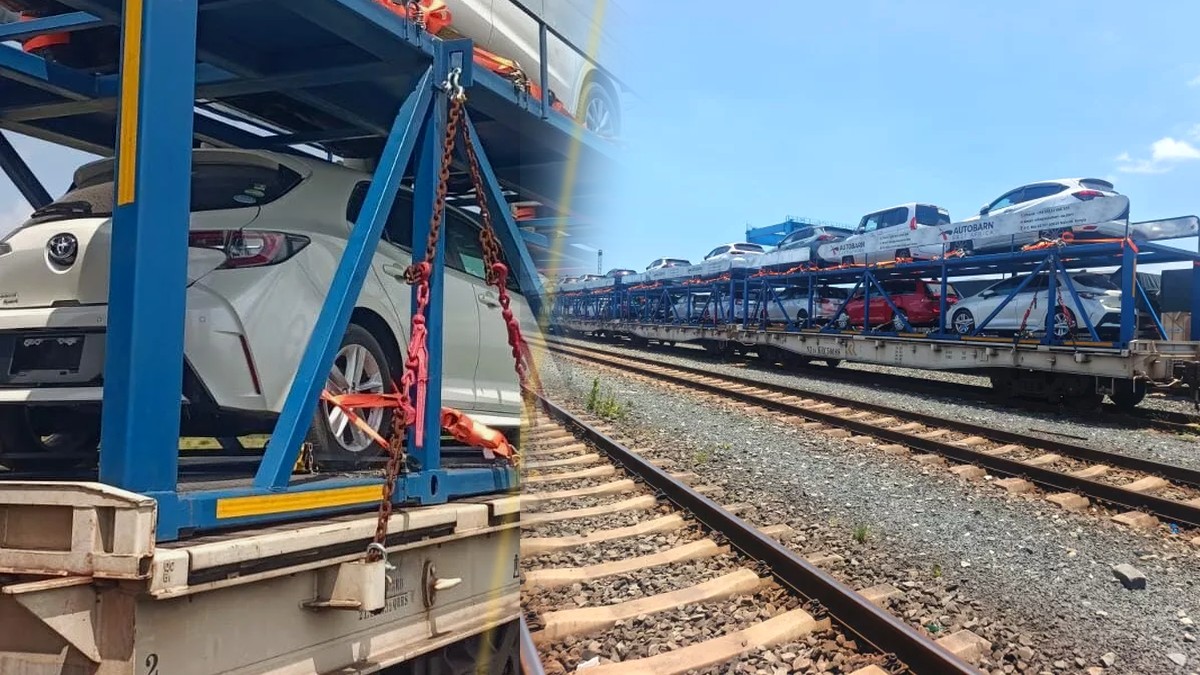
Kenya Railways has launched a service that carries cars on the Standard Gauge Railway (SGR) from Mombasa to Nairobi, with onward connections to Naivasha. It gives car dealers, importers and private motorists an alternative to car-carrier trucks and long drives on the Mombasa highway.
The first consignment arrived at the Nairobi Inland Container Depot (ICD) on Friday, October 30, The Star and Capital FM reported. It was moved for vehicle dealer Autobarn East Africa, which plans to send about 700 vehicles a month from Mombasa to Nairobi by rail.
How it works
- Vehicles are loaded at Mombasa, near the port where imported cars land, onto specialised car-carrier wagons.
- Each wagon carries up to six cars.
- Trains run to the Nairobi ICD in Embakasi, with onward connections on the SGR to Naivasha.
- The rail trip takes about eight hours, compared with more than a day by road, according to Kenya Railways.
- Owners or their agents collect the vehicles at the destination depot.
Managing Director Philip Mainga said the corporation had been running trials since last year and was ready to take on more customers. "These are very exciting times for the railway business in Kenya," he said. "We are calling on importers and clearing agents to work with us."
Mainga said cars moved by rail arrive in better condition, without the dust and dents common on long road trips. "Instead of relying entirely on road transportation, customers can now explore rail as an option for moving their vehicles safely and efficiently. It also reduces the number of vehicles on long-distance road journeys," he said.
What about rates?
Kenya Railways has described the service as faster, safer and cheaper than road haulage. However, neither the corporation nor the reports of the launch gave a price per vehicle, and no public car tariff had been published by Friday. Dealers and private customers will need to ask Kenya Railways' freight office or their clearing agent for a quote.
Comparisons with road transport should include the full door-to-door cost. When SGR container freight started in 2018, shippers complained that trucking the last mile from the ICD to their premises reduced the savings from rail. Car buyers should likewise factor in depot handling and the drive or tow from Embakasi or Naivasha to their final destination.
Not just for dealers
The service is also open to private motorists. Holidaymakers travelling between Nairobi, Naivasha and Mombasa can put their own cars on the train, travel by passenger service or air, and pick up the car on arrival. The arrangement also works for the return trip.
Mainga said this could help cut fatigue-related crashes by sparing motorists the long drive. The launch comes as the National Transport and Safety Authority (NTSA) and police run a crackdown on highways after a rise in road accidents. The Nairobi-Mombasa road is one of the country's busiest and most dangerous.
A regional play
Kenya Railways is also targeting vehicle importers and traders who serve the Democratic Republic of Congo, Rwanda, South Sudan, Burundi, Uganda and Tanzania. Many vehicles bound for those markets land at Mombasa. The Naivasha ICD, where the SGR connects with the old metre-gauge line, was built to handle transit cargo for those markets.
Why it matters
Since it opened in 2017, the SGR has mostly carried containers and bulk cargo. Vehicles are one of Kenya's biggest import categories, and Mombasa handles tens of thousands of used and new cars every year. Most of these are driven or trucked up the highway. Even a share of that traffic moving to rail would bring Kenya Railways new revenue and take some heavy car-carrier trucks off the road.
Whether the service takes off will depend on price, how quickly cars are cleared and loaded at the port, and whether more dealers follow Autobarn. Kenya Railways says it is ready to talk to importers and clearing agents now.
Photos: Kenya Railways via Capital FM and The Star. Thumbnail design: HAMASTA MEDIA.




Show the impact of your work.
Impact stories, campaign videos and community engagement for NGOs and programmes.

More in Business
See all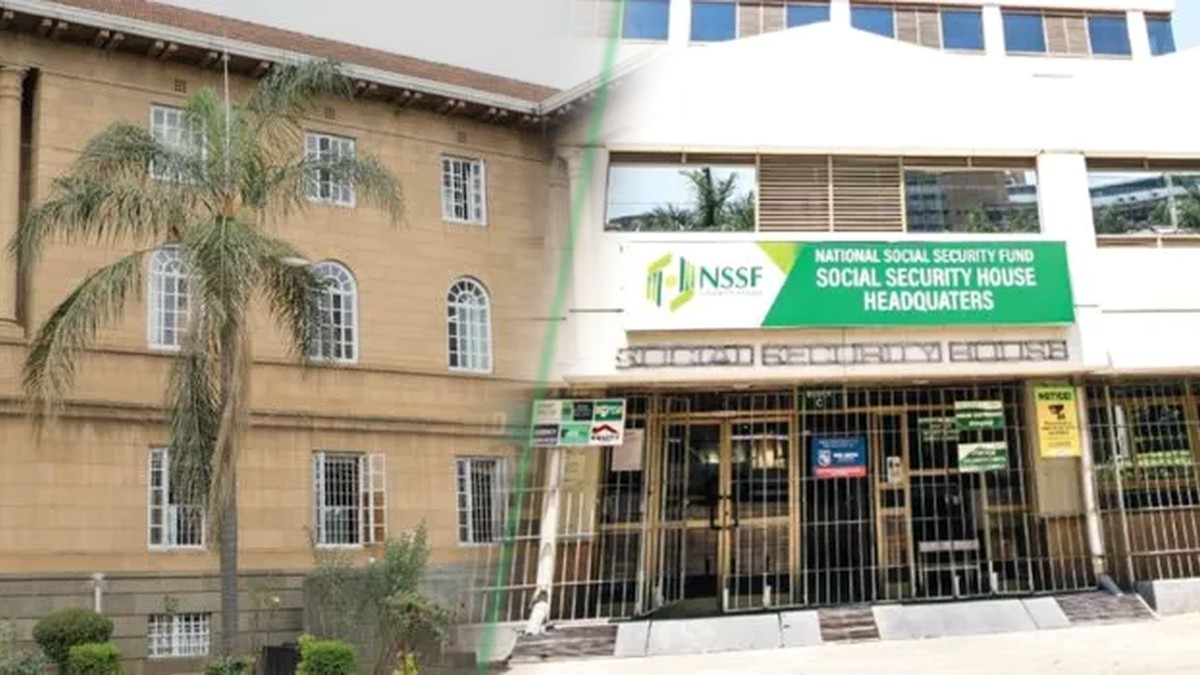
Supreme Court quashes Sh103 million award against NSSF in long-running CCTV tender dispute
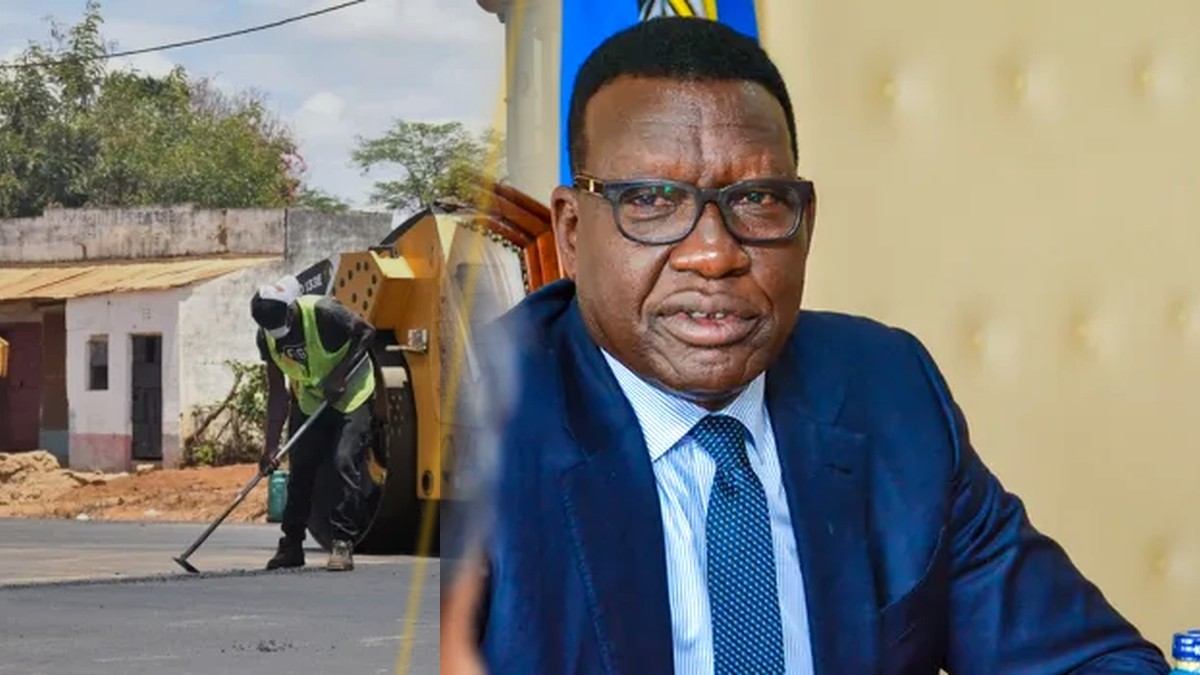
Roads ministry still owes contractors Sh98bn despite Sh208.6bn securitisation payouts, Chirchir tells MPs

Standard Group names former KBC boss Naim Bilal Yaseen CEO weeks after Chaacha Mwita's exit
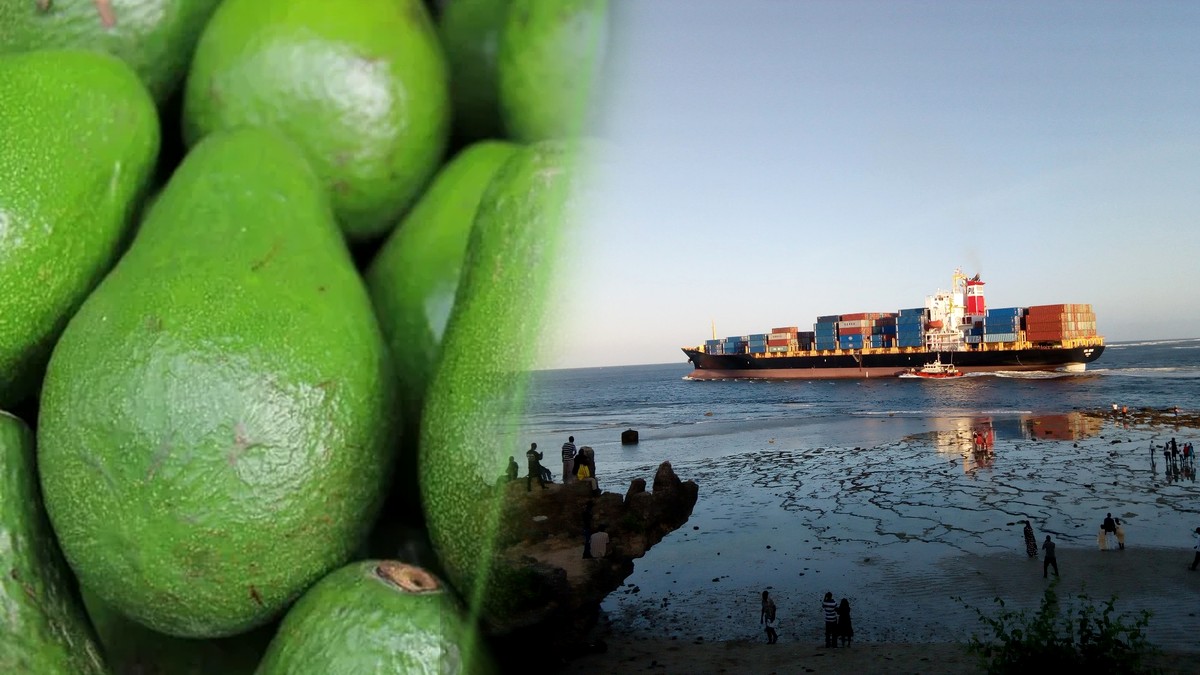
Avocado sea exports halted from today as AFA survey finds supplies too low for shipment
Inflation climbs to 7.3% in October, highest in over three years, as transport costs jump 17%

Global Community Remarks
0