
Experts push fuel-efficiency rules for imported cars as Kenya's fuel bill heads for $1.3 billion by 2040
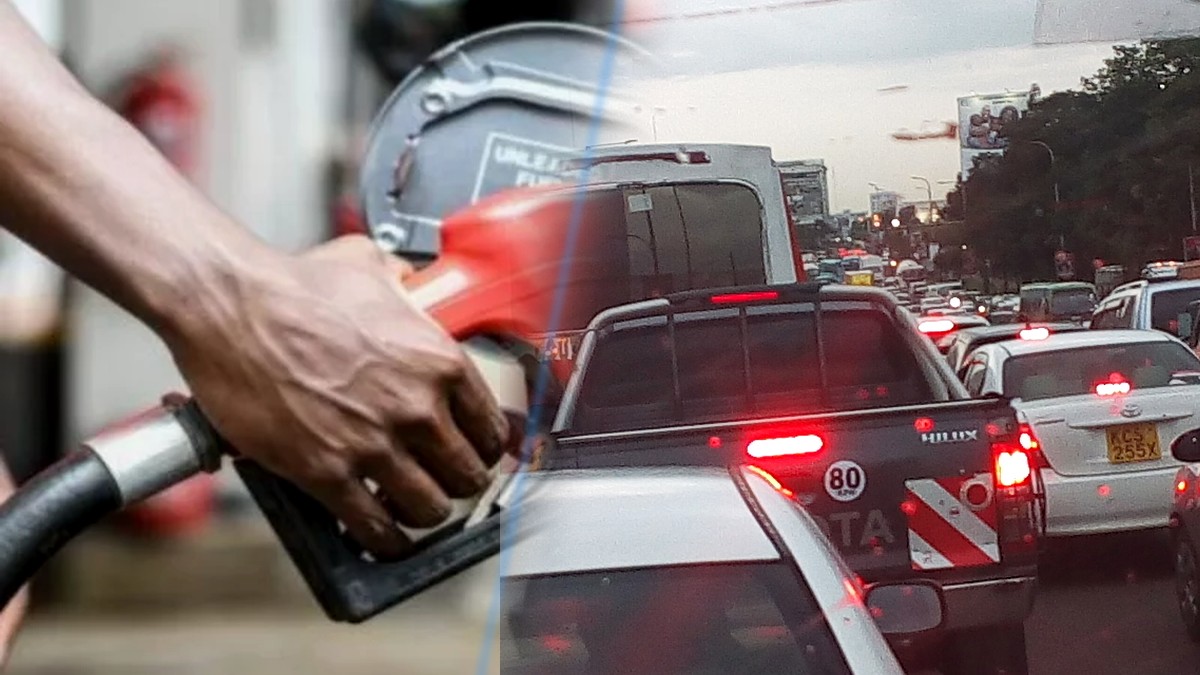
Kenya should set fuel-efficiency standards for imported vehicles and machinery to cut a fuel import bill that is one of the biggest drains on the country's foreign exchange reserves, industry players and experts have said.
Speaking at a session in Nairobi on cars, fuel costs and the future of mobility, presenters from GIZ Kenya, the University of California, Davis, the Africa E-Mobility Alliance and the local e-mobility lobby warned that pump prices will keep squeezing households and businesses unless the country starts importing more efficient vehicles.
The cost of inefficient cars
Kenya imports all its refined petroleum, and transport burns about three-quarters of it. Petroleum consumption rose 8.3 per cent between 2023 and 2025, according to E-Mobility Association president Hezbon Mose.
"Fuel is our biggest import and our biggest forex exchange," Mose said, as quoted by the Star.
- Without intervention, fuel spending by light vehicles is projected to climb from $783 million (about Sh101 billion) in 2025 to about $1.32 billion by 2040, Techweez reported.
- More than 80 per cent of vehicles entering Kenya come from Japan, most of them second-hand.
- Speakers said cars shipped to Kenya are often less fuel-efficient than comparable models sold in their countries of origin.
- Nairobi motorists have since October 15 paid up to Sh226.96 for a litre of petrol and Sh227.76 for diesel, roughly 13 and 22 per cent more than a year ago.
How the rules would work
The proposal is not a ban on petrol or diesel vehicles. Instead, regulators would assess the average fuel efficiency of all vehicles an importer or assembler brings into the market, allowing them to meet targets by mixing more efficient petrol and diesel cars with hybrids and electric models. The rules would apply to new entries, including second-hand imports, and would not force motorists to replace cars they already own.
Robert Njoroge, a technical adviser at GIZ Kenya, said rising fuel prices feed directly into transport costs and then into food, fares and goods, a cycle he described as unsustainable. He argued that standards could cut fuel spending while giving importers and local assemblers greater certainty about the vehicles the market will demand.
Presenters pointed to Chile, where 88 per cent of importers adjusted their supply within 18 months of standards being introduced and electric vehicle prices fell 17 per cent. Similar rules exist in 13 jurisdictions covering about 85 per cent of the world's light vehicle market.
Room for local assembly and EVs
Supporters say predictable standards could also revive Kenya's vehicle assembly plants, which run at less than 30 per cent of their combined capacity of 46,000 units a year. Electric vehicle registrations have been rising, though motorcycles make up the bulk of them, and the country's largely renewable power grid offers a chance to swap some fuel use for electricity.
Challenges remain, including the high upfront cost of EVs, limited financing and patchy charging infrastructure. The government launched a national e-mobility policy in February and technical working groups are studying implementation, but no timeline has been set for vehicle efficiency rules.
Photos: The Star; Musyajackson/Wikimedia Commons (CC BY-SA 4.0). Thumbnail design: HAMASTA MEDIA.



Know what people say about you.
Media monitoring, audience insights and strategic communication for your brand.


More in Business
See all
From tomorrow: Card machine, till and Paybill charges to attract 16% VAT as banks enforce new tax

KRA's rental tax net closes in on over one million landlords as eRITS matches property records with declarations

Sh1.82m claim cut to Sh251,395: High Court ruling puts spotlight on duplum rule for private loans

Shanta Gold's prospecting licence still valid, Mining ministry says after Siaya court ruling, but landowner consent now a must

CBK lines up nearly 300 AI uses, from scraping supermarket prices to reading satellite images, to track Kenya's economy in real time

Global Community Remarks
0