
Tea Board halts collection of contested Sh1.2bn-a-year levy after High Court order, asks KRA to stop too
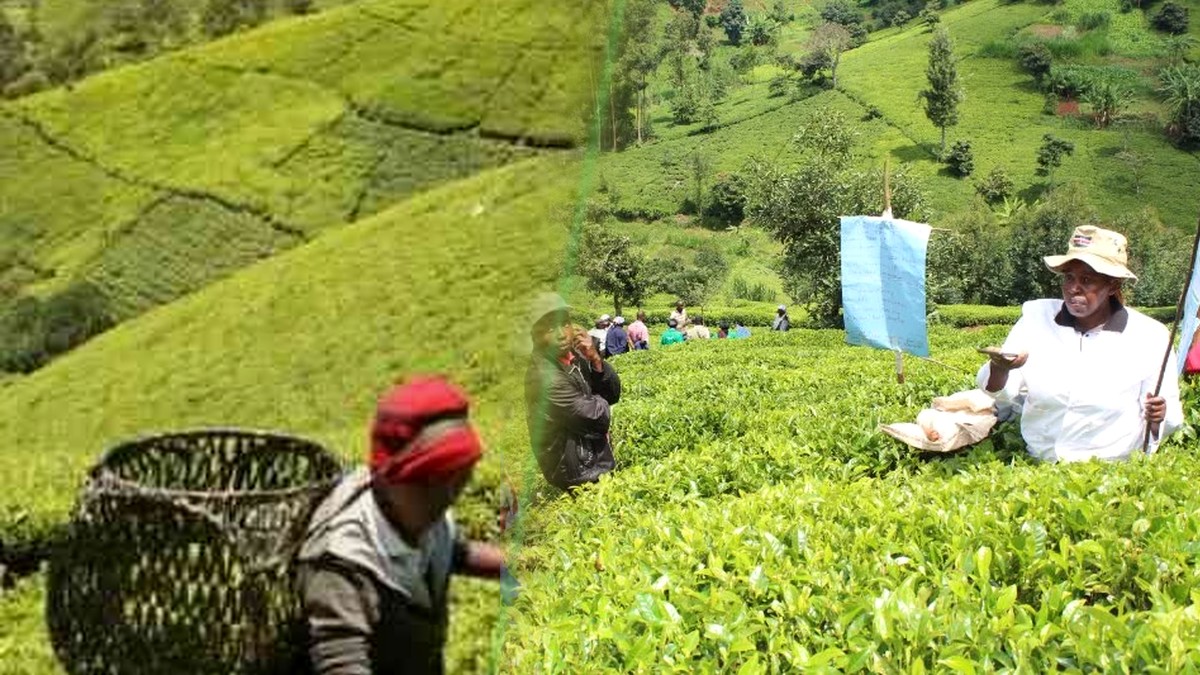
The Tea Board of Kenya (TBK) has stopped collecting the controversial tea levy on exports and imports, seven months after it took effect, following a High Court order that bars the regulator from enforcing it until a petition by small-scale farmers is heard.
In a notice dated October 27 and addressed to tea buyers, exporters and importers, TBK chief executive Willy Mutai said the board had suspended both the demand for and collection of the levy with immediate effect. The board has also written to the Kenya Revenue Authority asking it to halt collection on its behalf.
What the court said
Justice Josephine Mongare of the High Court in Machakos issued conservatory orders restraining TBK from collecting or enforcing the levy pending further directions. She certified the application, dated October 19, as urgent and gave respondents seven days after service to file their responses. The case will be mentioned on November 19.
The petition was filed by John Bunei, chairman of the Mazingira Greens Party of Kenya, on behalf of small-scale tea farmers. It names TBK, Agriculture Cabinet Secretary Mutahi Kagwe and Attorney General Dorcas Oduor as respondents, with the Kenya Tea Development Agency (KTDA) as an interested party.
Bunei argues that the continued demand for the levy diminishes the proceeds that reach small-scale farmers, the Star reported. The petition also claims growers were not meaningfully consulted on the regulations.
The suspension remains in force until TBK says otherwise, and does not exempt traders from other tea trade requirements.
How the levy works
The Tea (Levy) Regulations, 2026, took effect on May 1. They set a levy of Sh2.28 per kilogramme of tea, or 0.8 per cent of the auction or customs value for tea sold through direct sales. Importers pay a levy based on the value of each consignment, which the board says is meant to discourage dumping of low-quality tea. TBK had projected to raise about Sh1.2 billion a year.
The money was to be shared as follows:
- 50 per cent to the Tea Price Stabilisation Fund
- 20 per cent to the Tea Research Institute
- 15 per cent to TBK operations
- 15 per cent to tea-growing counties for infrastructure such as access roads and collection centres
Farmers versus the regulator
Since May, farmers, factory directors and other players have opposed the levy, citing rising production costs. KTDA leaders held meetings across the Mt Kenya region where stakeholders urged the government to suspend and amend the rules, while factory directors linked falling prices at the Mombasa auction partly to the new charge.
TBK insists the levy is meant to strengthen the value chain and improve competitiveness. "The tea sector remains one of Kenya's most strategic agricultural value chains," Mutai said.
For now, the suspension offers exporters immediate relief, but farmers will be watching whether it translates into better payments when the next bonus season comes round.
Photos: The Standard; Alice Waithera/The Star. Thumbnail design: HAMASTA MEDIA.



Know what people say about you.
Media monitoring, audience insights and strategic communication for your brand.


More in Business
See all
From tomorrow: Card machine, till and Paybill charges to attract 16% VAT as banks enforce new tax
KRA's rental tax net closes in on over one million landlords as eRITS matches property records with declarations
Sh1.82m claim cut to Sh251,395: High Court ruling puts spotlight on duplum rule for private loans
Shanta Gold's prospecting licence still valid, Mining ministry says after Siaya court ruling, but landowner consent now a must
CBK lines up nearly 300 AI uses, from scraping supermarket prices to reading satellite images, to track Kenya's economy in real time

Global Community Remarks
0