
Universities Fund faces Sh16.9bn scholarship gap, wants shared database to stop double funding of students
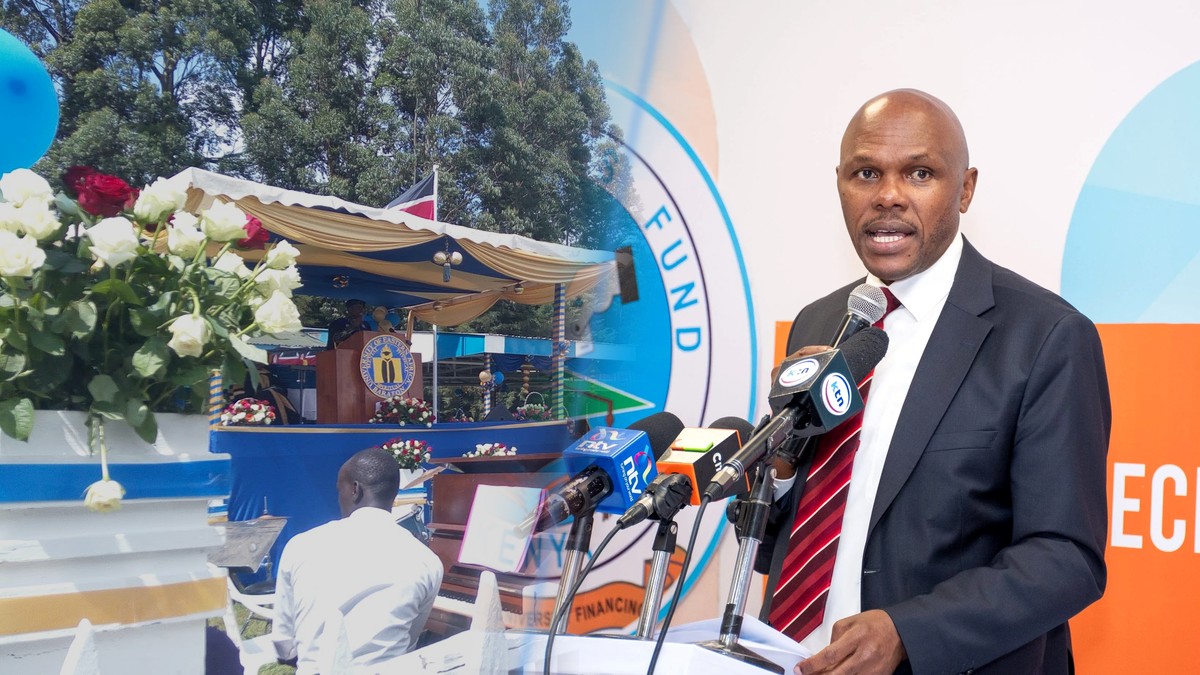
Thousands of university students risk being left without enough financial support this academic year after the Universities Fund revealed a scholarship shortfall of about Sh16.9 billion.
The Fund says scholarships for the 2026/2027 financial year will cost about Sh47 billion, but the government has allocated only Sh30.1 billion. Under the Student-Centred Funding Model, the Fund projects that about 608,879 students will need scholarships this year.
Acting Chief Executive Officer Dr Edwin Wanyonyi gave the figures at a Nairobi meeting of scholarship and bursary providers held on Wednesday, October 28, under the theme "Reaching More Students, Together".
Overfunded and unfunded students
Wanyonyi said the bigger problem was not only raising money but how existing money is shared out. Some students, he said, receive support from several sponsors at the same time, while others in equal need receive nothing.
"Our biggest challenge isn't mobilising resources; it is creating impact with the resources we already have," he said. "There are students who are overfunded, and yet we have students who are underfunded and others not funded at all."
He told corporate foundations, NGOs and other sponsors present that their lists of beneficiaries overlapped with the Fund's. "Some of the students we are funding are also being funded by your organisations. How do we collaborate?" he asked.
Proposed shared database
To deal with the duplication, stakeholders at the meeting proposed a shared and secure data system linking government scholarships with private sponsors. It would let any provider check what support a student already receives before making a new award, and help identify students who have been left out.
The system would build on the Fund's role as custodian of student funding data. Participants said it would need strong safeguards for students' personal information in line with the Data Protection Act, 2019.
The meeting also discussed joint campaigns to tell students about available scholarships, pooling of resources and partnerships to widen coverage. The discussions are expected to feed into a framework for continued cooperation among scholarship and bursary providers.
Coordination will not close the gap
Capital FM noted that the database, while likely to improve how money is shared, would not on its own close the deficit, which must still be funded by the Treasury. Other outlets have put the gap at between Sh16.26 billion and Sh16.56 billion, depending on the allocation figure used.
The shortfall adds to pressure on public universities, which are only now reopening after a four-week lecturers' strike and are already struggling with debts and reduced capitation.
"Every Kenyan student who qualifies for university deserves the opportunity to pursue higher education," Wanyonyi said, adding that better coordination would help ensure qualified students are not locked out because of money.
Photos: Capital FM; Dkiplimo/Wikimedia Commons (CC BY-SA 4.0). Thumbnail design: HAMASTA MEDIA.

Tell your story on screen.
Commercials, documentaries, interviews and social video, from script to final cut.





More in Education
See all
Lawyer sues to halt KMTC hiring of senior lecturers, says posts were wrongly restricted to internal applicants

Fresh Kisii court petition threatens third setback to hiring of substantive TSC chief executive
MPs give University of Nairobi 14 days to explain Sh1.4bn unremitted pensions and unpaid PAYE

Kenyan University Lecturers End Nationwide Strike After Sh20 Billion Deal With Government

MKU Sets December 4 For 30th Graduation Ceremony
Global Community Remarks
0