
'Ball in US court': Iran offers two-day plan to reopen Hormuz as it says two tankers hit mines in the strait

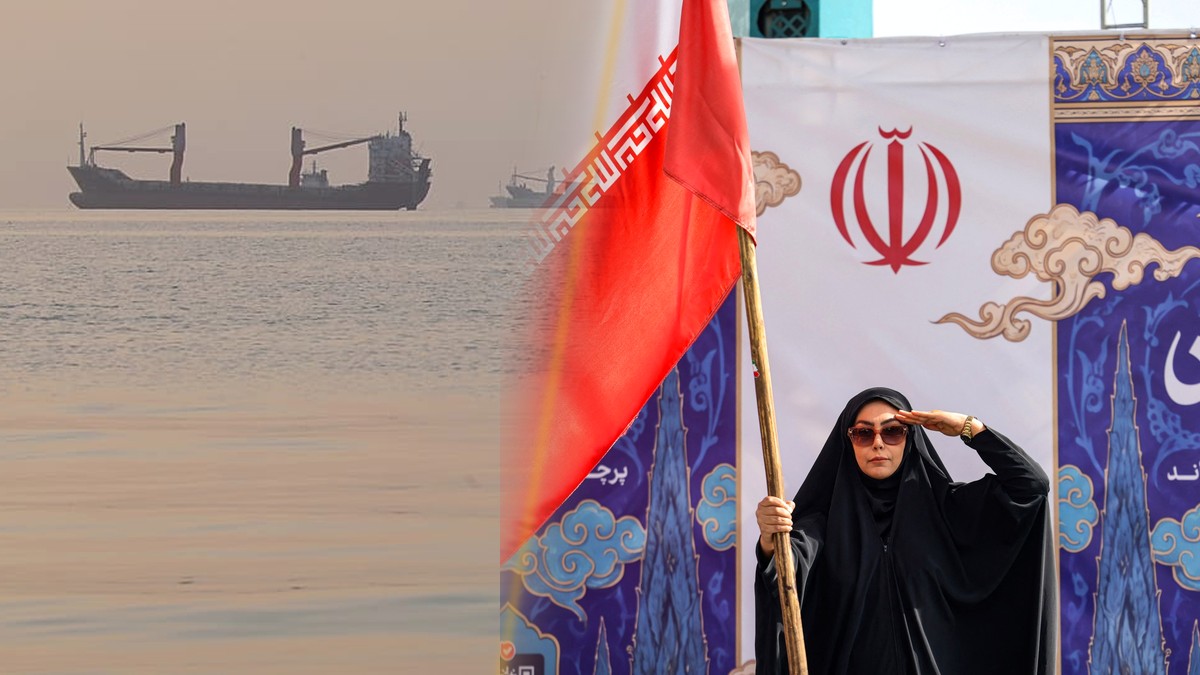
Iran says the Strait of Hormuz could be reopened within two days if the United States accepts a new plan brokered through Qatari mediators, declaring on Monday that the "ball" is now in Washington's court, even as its Revolutionary Guard claimed two oil tankers had struck naval mines in the waterway.
Foreign Minister Abbas Araghchi announced the shortened "two-day plan" on Sunday while an Iranian delegation held talks with mediators in Qatar, Africanews and Al Jazeera reported. It replaces an earlier seven-day timetable that Qatar had pushed Tehran to compress.
How the plan would work
Under the proposal, the United States would take a set of compliance measures on the first day and the strait would open on the second, with shipping returning to pre-war levels. Iran says the conditions are those set out in the Islamabad Memorandum of Understanding mediated by Pakistan. According to reports, they include:
- Lifting the US naval blockade and new sanctions imposed after the Islamabad deal.
- Releasing all frozen Iranian funds and restoring waivers on Iranian oil exports.
- Ending regional wars, including in Lebanon.
- Agreeing new navigation routes through the strait.
Araghchi said full negotiations between the two countries would resume only after Washington meets its commitments and the strait reopens. Foreign ministry spokesman Esmaeil Baghaei said Iran was weighing the plan on that basis. The United States has not publicly accepted it.
Tankers hit, Trump warns of 'the hammer'
The Islamic Revolutionary Guard Corps navy said on Sunday that two "violating" oil tankers, one of them a supertanker, hit mines after switching off their tracking systems and using an "unauthorised" route. It said the supertanker "suffered a massive explosion and is burning." The claims could not be independently verified, and some outlets carried differing accounts of how the vessels were damaged.
Separately, the UK Maritime Trade Operations agency reported that a tanker was struck by two projectiles about 72 nautical miles east of Ras Al Khafji in Saudi Arabia on November 1, with all crew accounted for, Gulf News reported.
US President Donald Trump, speaking at a campaign rally in Iowa on Sunday, said the war would end "very soon one way or the other," warning that Tehran would either make a deal or face "the hammer." He described higher oil prices as "a very small price to pay." US Secretary of State Marco Rubio has said Trump had not decided on fresh strikes.
Iran has restricted traffic through the strait since February 28, when it barred ships linked to Israel and the United States after their joint strikes on Iranian territory.
Why Kenyans should watch
Hormuz is one of the world's busiest oil routes, and the disruption has kept crude prices high. Brent was trading at about $111 a barrel early on Monday, according to Gulf News market data. Kenya imports all its refined fuel from the Gulf, so any reopening, or a fresh escalation, will feed directly into pump prices, matatu fares and the cost of living. Inflation rose to 7.3 per cent in October, driven largely by fuel and transport costs.
Photos: AP via Africanews (ships at anchor in the Strait of Hormuz); AFP via Al Jazeera (woman with Iranian flag in Tehran). Thumbnail design: HAMASTA MEDIA.



Know what people say about you.
Media monitoring, audience insights and strategic communication for your brand.


More in International
See all
Ebola deaths in DR Congo pass 5,000 as WHO calls it a 'tragic milestone' and the virus reaches eight provinces
Israel's first ambassador to Somaliland presents credentials in Hargeisa as Mogadishu says Israel 'wants the Red Sea'

Israel's election chief rejects Netanyahu's 'stolen vote' claim as record Arab seats leave both blocs short of a majority
Americans vote tomorrow in midterms that will decide Congress for Trump's last two years as polls favour Democrats
Uganda begins pulling troops out of Somalia after nearly 20 years, piling pressure on Kenya and other AU partners

UK driver found guilty of murdering head teacher he dragged under his car for over a mile
Global Community Remarks
0