
Israel's election chief rejects Netanyahu's 'stolen vote' claim as record Arab seats leave both blocs short of a majority

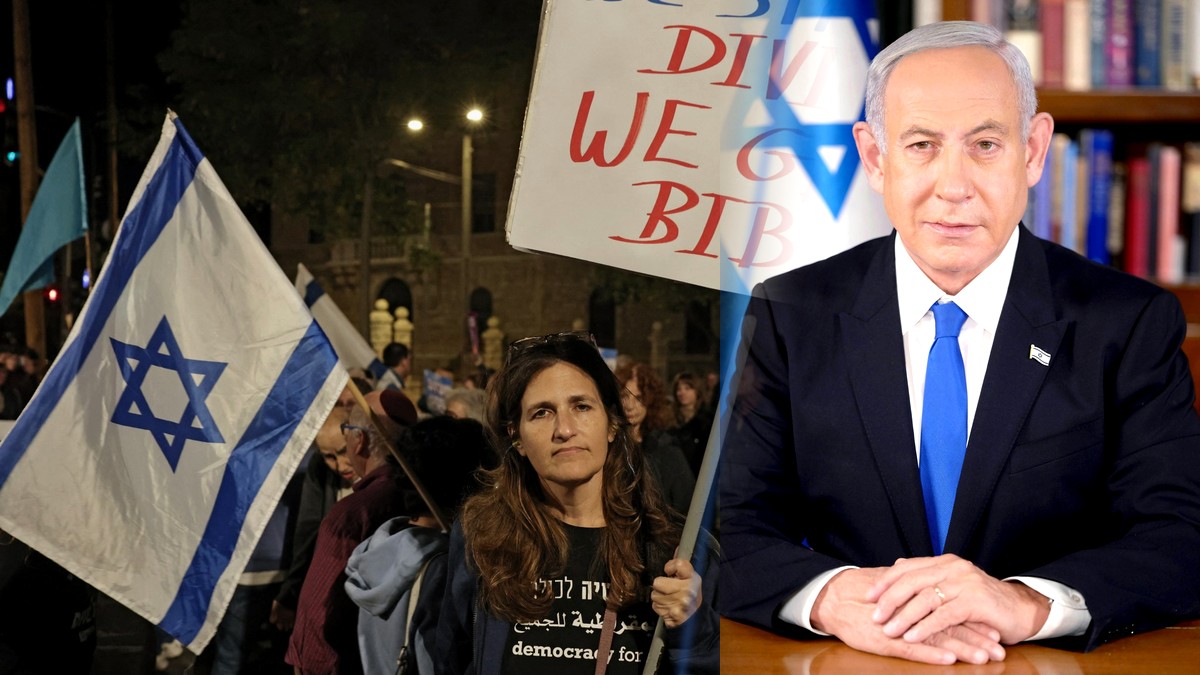
Israel's top election official has rejected Prime Minister Benjamin Netanyahu's claim that last week's general election was "stolen", saying the results stand even as a deadlock leaves Arab-led parties holding the balance of power.
Central Elections Committee head Noam Sohlberg appeared in a video on Sunday alongside the head of the Shin Bet security agency and the attorney general, saying that even if suspicions of foreign interference were proven, "this would not undermine the integrity" of the vote, Al Jazeera and the Associated Press reported.
The fraud claim
Netanyahu's Likud party, which leads the count, alleged without providing evidence that Arab-led parties, which made big gains, "stole" the election and received money from Qatar. Qatar rejected the allegation as a disinformation campaign. The elections committee said reports of irregularities were much lower than in previous polls, according to Africanews.
Before polling opened, police arrested three political activists accused of carrying envelopes of cash to bribe voters. Police said they were linked to the Arab-led Ra'am party. Two have since been released, one of them to house arrest. Ra'am leader Mansour Abbas called the arrests undemocratic and "an attempt to influence the election results."
Opposition leader Gadi Eisenkot, a former army chief, accused Netanyahu of running an "orchestrated and organised campaign to delegitimise the results."
The numbers
Results for the 120-seat Knesset show:
- Netanyahu's bloc: 53 seats.
- Eisenkot-led opposition bloc: 48 seats.
- Israel's three Arab-led parties: a record 19 seats combined, including eight for Ra'am.
A government needs 61 seats. A partnership between Eisenkot's bloc and the Arab parties would command 67. Eisenkot had earlier ruled out such a coalition, but Africanews reports he has not ruled out partnering with Arab parties provided they recognise Israel as a Jewish state and Hamas as an extremist group.
Rival protests
On Sunday a few dozen right-wing activists gathered outside Eisenkot's home in Herzliya to oppose any government that includes Arab parties. Netanyahu had earlier warned of a "dangerous government" relying on Arab support. Arab citizens make up about a fifth of Israel's population.
On the other side, demonstrators near the prime minister's residence in West Jerusalem have been calling for a Jewish-Arab coalition, some carrying placards referring to the 67-seat figure.
What happens next
The results are due to be officially certified this week. President Isaac Herzog will then nominate a candidate to try to form a government. The outcome will shape Israel's conduct of the war with Iran and the conflict in Gaza, both of which have driven up fuel costs and disrupted shipping routes that matter to Kenya's economy.
Photos: AFP via Al Jazeera (protest near the prime minister's residence, West Jerusalem); Avi Ohayon/Wikimedia Commons (CC BY-SA 3.0) (Benjamin Netanyahu). Thumbnail design: HAMASTA MEDIA.
Every moment, captured beautifully.
Events, corporate portraits, products and editorial shoots by our newsroom photographers.





More in International
See all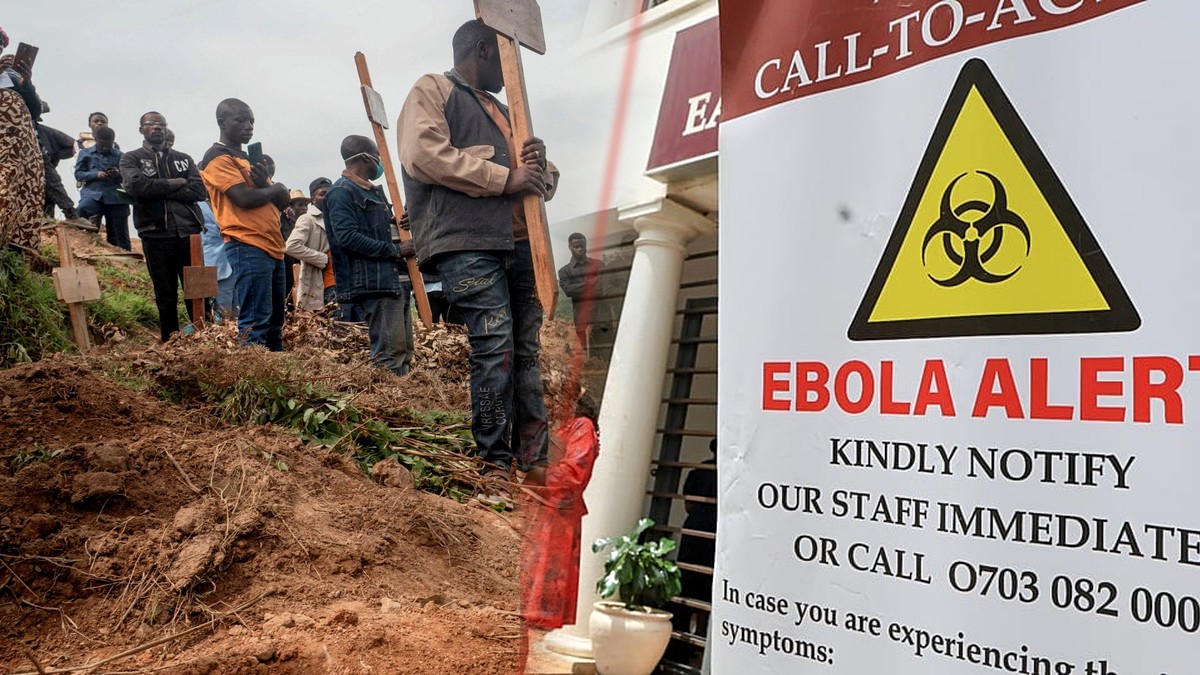
Ebola deaths in DR Congo pass 5,000 as WHO calls it a 'tragic milestone' and the virus reaches eight provinces

Israel's first ambassador to Somaliland presents credentials in Hargeisa as Mogadishu says Israel 'wants the Red Sea'
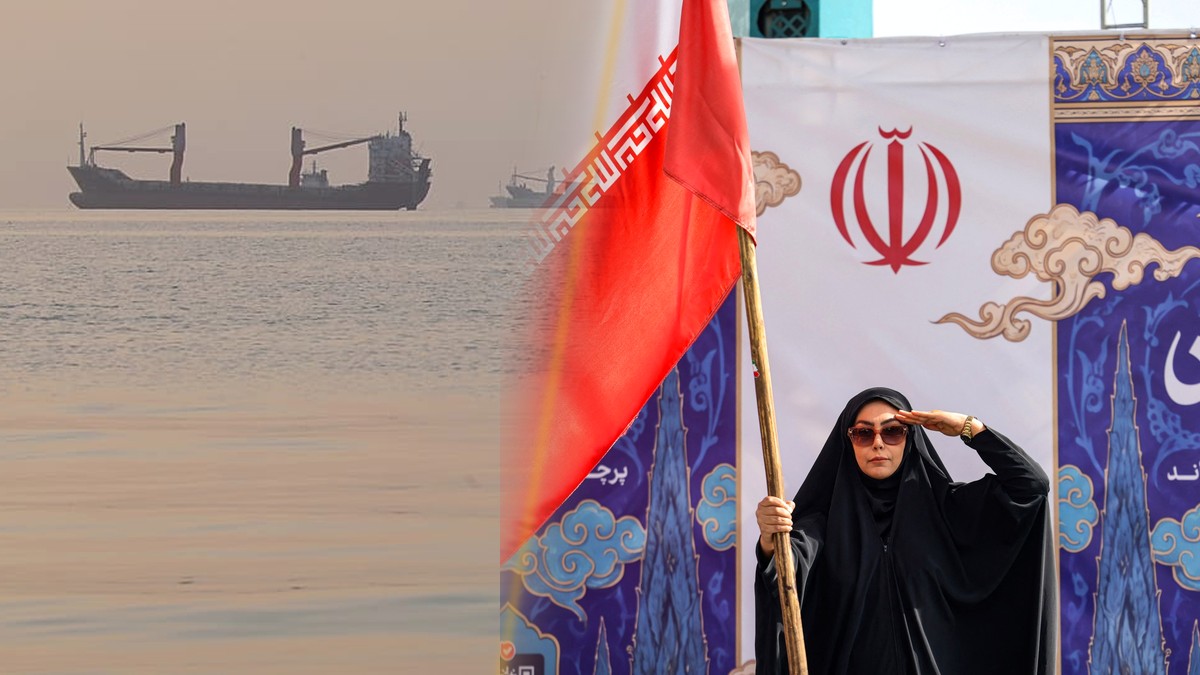
'Ball in US court': Iran offers two-day plan to reopen Hormuz as it says two tankers hit mines in the strait
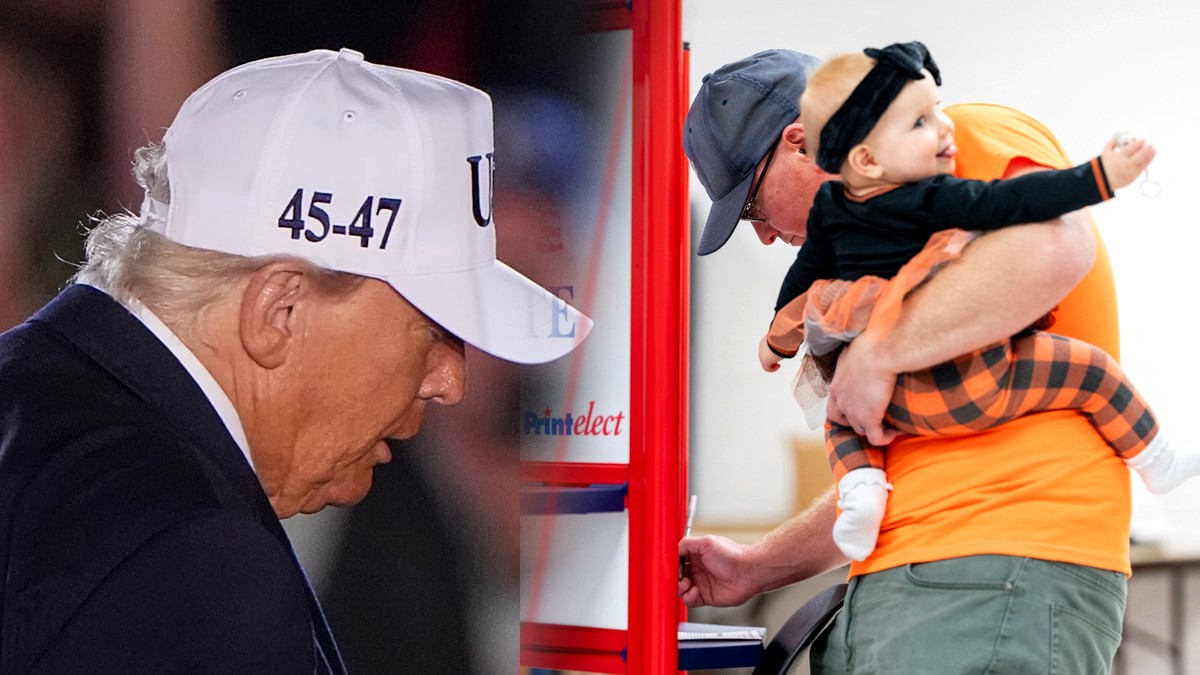
Americans vote tomorrow in midterms that will decide Congress for Trump's last two years as polls favour Democrats
Uganda begins pulling troops out of Somalia after nearly 20 years, piling pressure on Kenya and other AU partners
UK driver found guilty of murdering head teacher he dragged under his car for over a mile
Global Community Remarks
0