
Ebola deaths in DR Congo pass 5,000 as WHO calls it a 'tragic milestone' and the virus reaches eight provinces

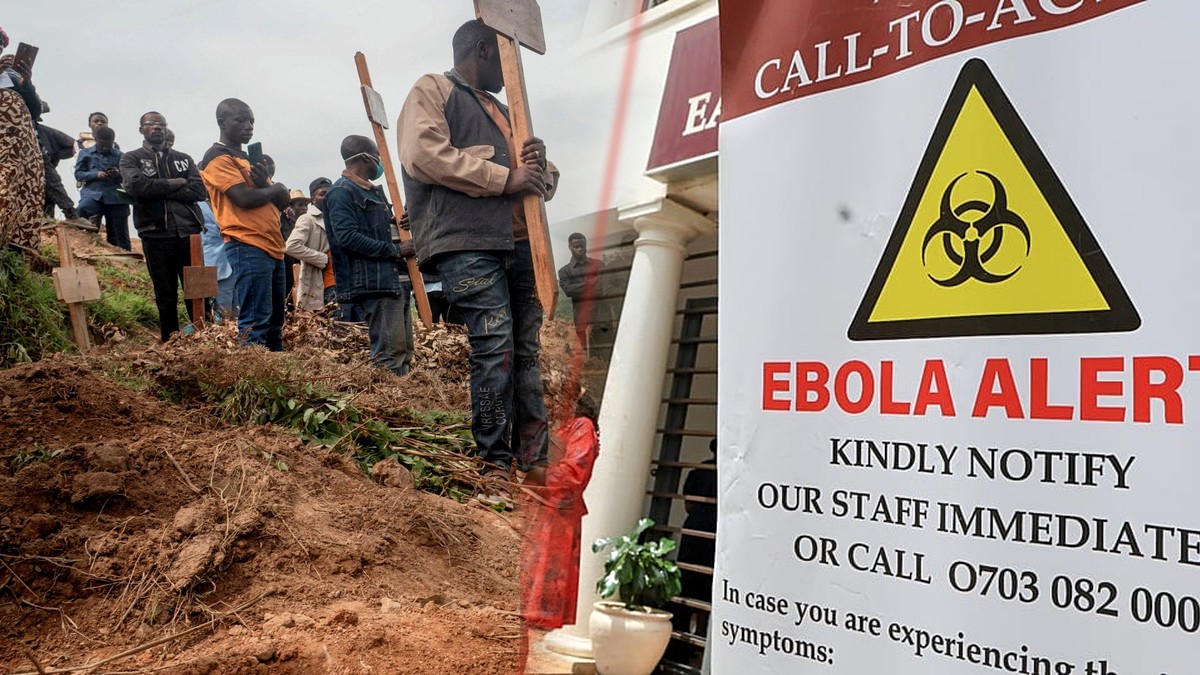
The Ebola outbreak in the Democratic Republic of Congo has now killed more than 5,000 people, government figures show, making it the country's deadliest on record and the second-worst Ebola epidemic ever, as fears grow over its spread across the continent, including to Kenya.
Data released by the Congolese health ministry on Saturday put the toll at 5,026 deaths out of 10,351 infections, with 2,788 recoveries, Africanews and Al Jazeera reported. That is a death rate of nearly 50 per cent.
"It is a very tragic milestone because it is just not a number," said Dr Patrick Otim, a programme area manager at the World Health Organization.
A strain with no vaccine
The outbreak, declared in mid-May, is caused by the rare Bundibugyo strain of the virus, for which there is no approved vaccine or treatment. Health workers can only manage symptoms, which has made containment much harder.
Key figures:
- 67 of the DRC's 178 health zones affected, 50 of them with active cases.
- Eight of the country's 26 provinces reached.
- Ituri and North Kivu, the epicentres, account for 9,782 confirmed cases and 4,792 deaths.
- About a third of deaths occurred outside treatment centres, before patients were tested.
Only the 2014-2016 West Africa epidemic, which infected more than 28,600 people and killed over 11,000 in Guinea, Liberia and Sierra Leone, has been larger.
Tracing gaps
Africa CDC says about 80 per cent of new cases are emerging outside monitored contact chains, meaning many infections have no known source. Delayed detection, armed conflict in the east and stretched health services have helped the virus move faster than in past outbreaks, according to Reuters reporting carried by Al Jazeera.
Spreading beyond Congo
Kenya and Uganda have both reported cases, and Nigeria last week became the fourth African country to record a case, carrying the outbreak to West Africa. Nigerian health authorities are also investigating two suspected cases in the north-east. The Central African Republic has tightened border checks, and Uganda has ordered 21-day quarantines for citizens returning from the DRC.
The spread has already hit Kenyans directly. Saudi Arabia on Friday suspended travel to and from Kenya and stopped issuing visas to Kenyan travellers, a move Nairobi has protested, insisting its cases are confined to a single cluster. Hospitals in Nairobi, including The Nairobi Hospital, have set up isolation facilities and posted alerts urging anyone with symptoms to come forward.
What to watch
Health officials say stopping the outbreak depends on faster testing, better contact tracing and safe burials in eastern Congo, where fighting between government forces and M23 rebels continues to hamper access. Kenyans with fever, bleeding or other symptoms after contact with a suspected case or travel to affected areas are advised to report to the nearest health facility.
Photos: Reuters via Al Jazeera (graves dug during the Ebola outbreak in DR Congo); AP via Africanews (Ebola alert at The Nairobi Hospital). Thumbnail design: HAMASTA MEDIA.

Tell your story on screen.
Commercials, documentaries, interviews and social video, from script to final cut.





More in International
See all
Israel's first ambassador to Somaliland presents credentials in Hargeisa as Mogadishu says Israel 'wants the Red Sea'

Israel's election chief rejects Netanyahu's 'stolen vote' claim as record Arab seats leave both blocs short of a majority
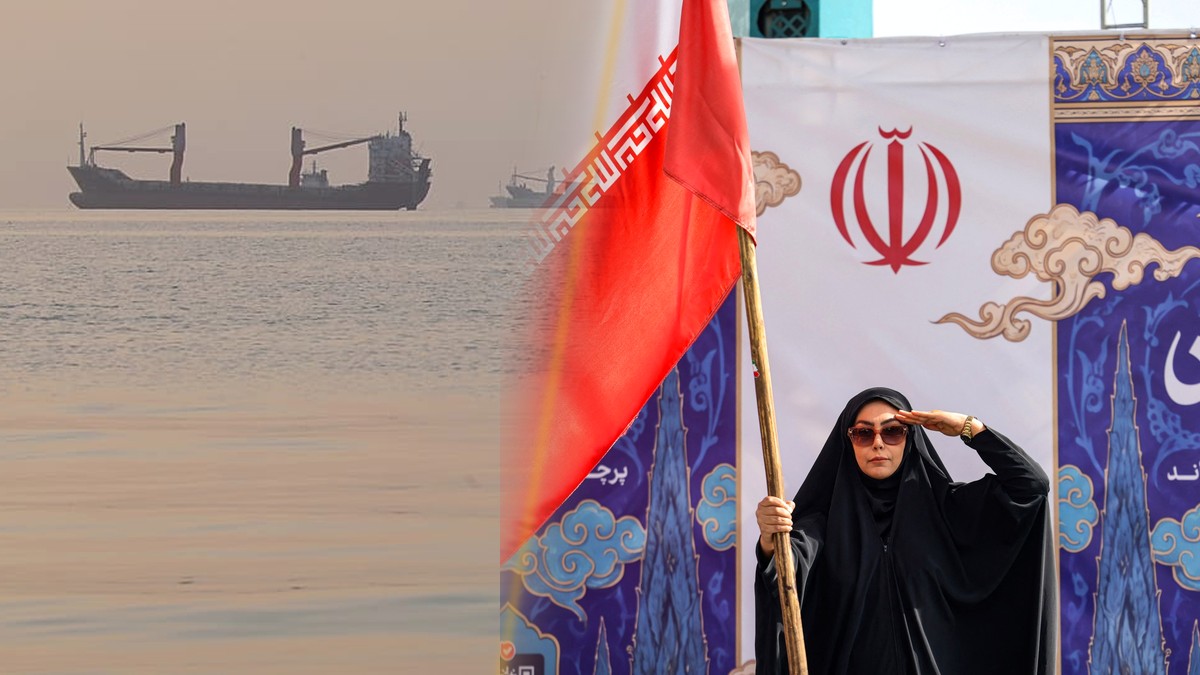
'Ball in US court': Iran offers two-day plan to reopen Hormuz as it says two tankers hit mines in the strait

Americans vote tomorrow in midterms that will decide Congress for Trump's last two years as polls favour Democrats
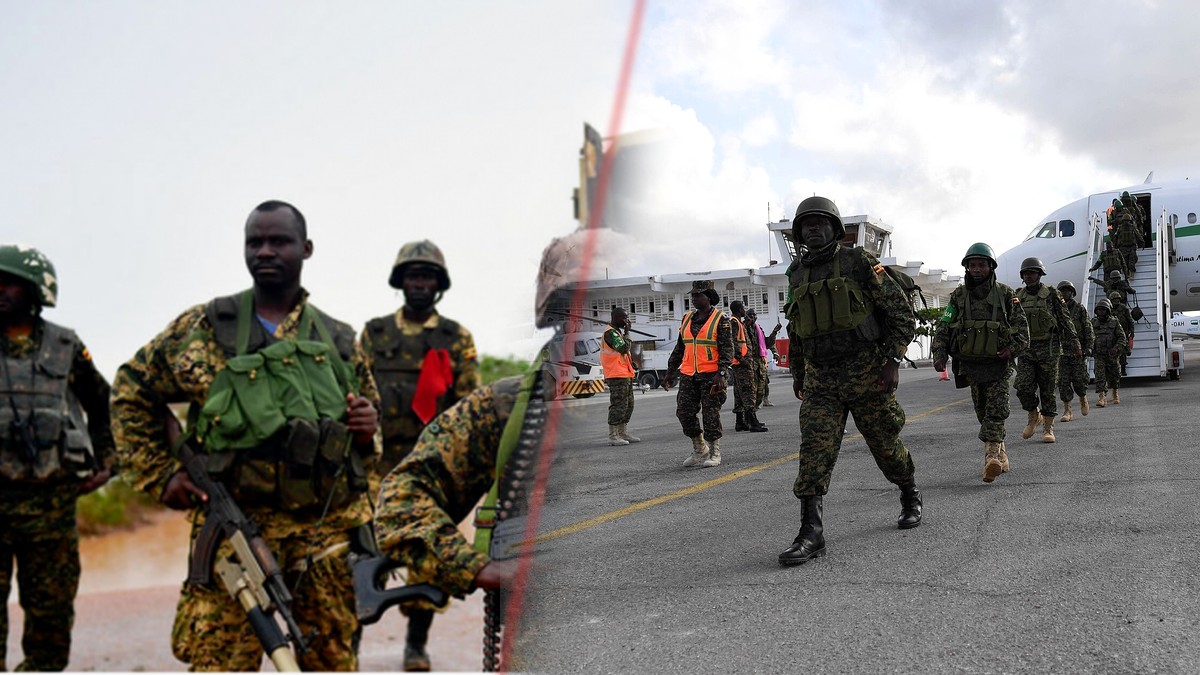
Uganda begins pulling troops out of Somalia after nearly 20 years, piling pressure on Kenya and other AU partners
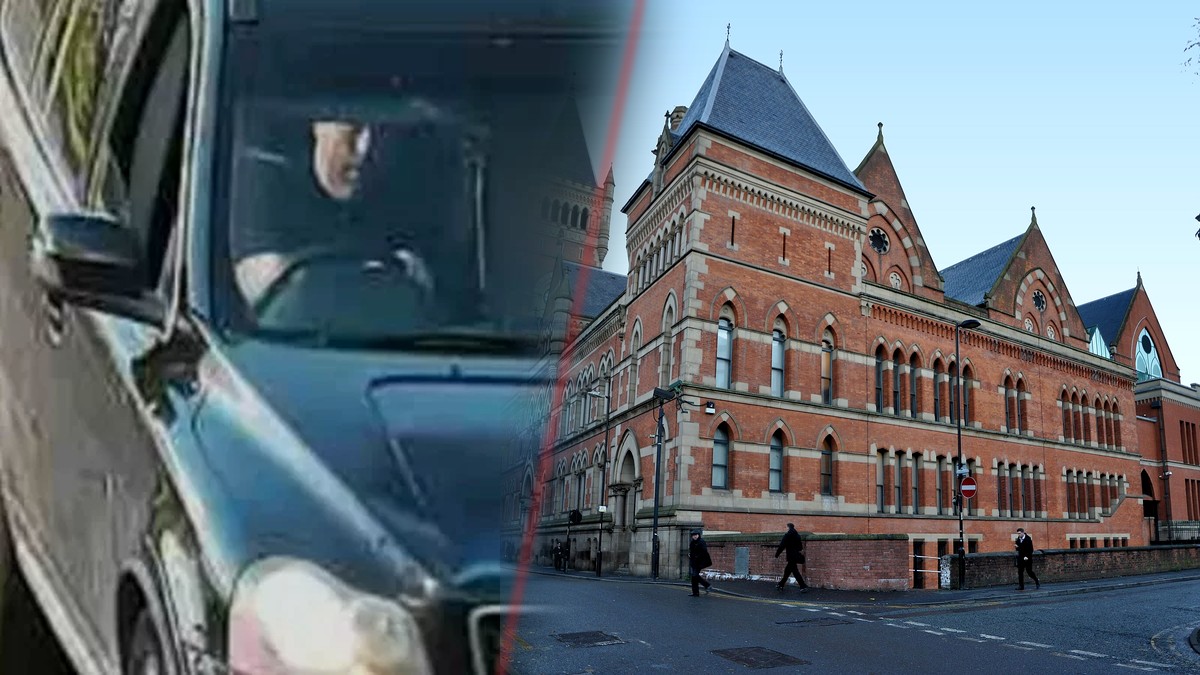
UK driver found guilty of murdering head teacher he dragged under his car for over a mile
Global Community Remarks
0