
'They don't need it': Trump says US will stop $4 billion a year in aid to Israel from January in election-day surprise
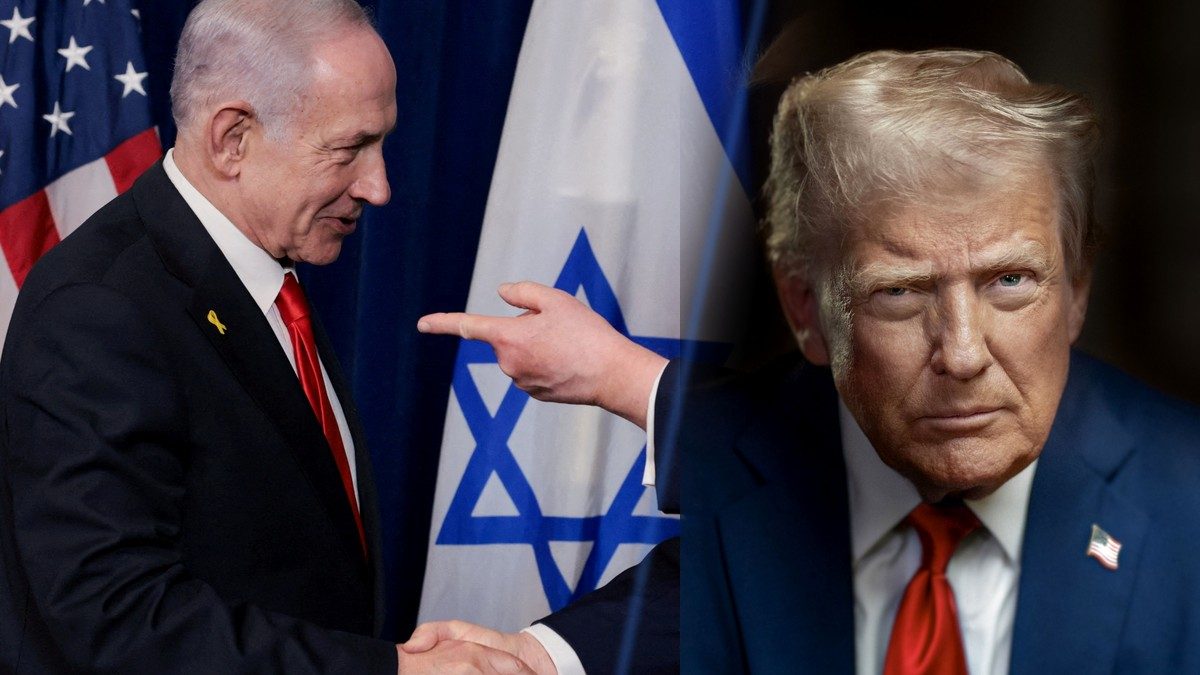
US President Donald Trump stunned Washington and Jerusalem on Tuesday by declaring that the United States will stop paying Israel about $4 billion (Sh516 billion) a year in aid from the end of this year, an announcement made on live television as Americans voted in midterm elections.
"We give Israel $4 billion a year, and we made a deal months ago that we're stopping," Trump told Fox & Friends in a telephone interview. "They don't need it, and we won't be paying anymore." He added that Washington would still "help Israel if they need it" and that Israel could continue to buy American weapons.
Trump said the idea came from Prime Minister Benjamin Netanyahu, who, he said, argued it would be appropriate to end the payments because they had become a point of contention in the United States. "Bibi, we reached an agreement on that," Trump said. Netanyahu's office declined to comment, and neither the US State Department nor Israel's foreign ministry had confirmed the arrangement by Tuesday evening.
A political target on election day
The president was unusually open about the politics behind the move. He said the "$4 billion payment that everybody knows about" had become "a signal of unfairness" used by the left, and singled out Abdul El-Sayed, the progressive Democratic Senate candidate in Michigan who has campaigned against US support for Israel, calling him one of the "lunatics" he would not want to pay for.
Al Jazeera's White House correspondent Kimberly Halkett described the announcement as a "November surprise" driven by pressure from progressive Democrats and from critics inside Trump's own MAGA movement. Former Republican congresswoman Marjorie Taylor Greene, now a Trump critic, wrote on X: "Amazing how being on the verge of Republicans getting wiped out in the midterms changes hearts and minds," adding that the decision "isn't going to change today's election results".
Can he actually do it?
Analysts quickly pointed out that Trump cannot end the aid on his own. The money is appropriated by Congress under a 10-year memorandum of understanding signed in 2016 under President Barack Obama, which provides $3.3 billion a year in military financing grants and $500 million for joint missile defence until 2028. Almost all of it must be spent on American-made equipment.
Pressed on whether he meant military aid or cash, Trump replied: "Any way you want to define it." Thomas Warrick of the Atlantic Council told Al Jazeera the aid was more likely to be phased out during 2027, because missile defence and counter-drone programmes cannot easily be moved into a foreign military sales arrangement.
Netanyahu under fire at home
In Israel, where last month's election produced no clear winner, opposition leaders seized on the announcement. Gadi Eisenkot, the former army chief now backed by Netanyahu's rivals to replace him, said the prime minister "can no longer be trusted" and must go. Yair Golan, leader of the left-wing Democrats party, said ending the aid would severely harm Israel's security and accused Netanyahu of logging another massive failure.
Markets read the comments as a sign of de-escalation in the Middle East. Brent crude fell 3 per cent to $101 a barrel, its lowest in more than three weeks, after Trump also told NBC News on Monday that he was not planning to attack Iran after the midterms. Cheaper crude would be welcome news in Kenya, where fuel prices pushed inflation to a three-year high of 7.3 per cent in October.
Photos: Reuters/Jonathan Ernst via Al Jazeera (Trump and Netanyahu at Mar-a-Lago, Dec 2025); Daniel Torok/White House via Wikimedia Commons (public domain). Thumbnail design: HAMASTA MEDIA.

Tell your story on screen.
Commercials, documentaries, interviews and social video, from script to final cut.





More in International
See all
19 Dead After School Roof Collapses in Pakistan's Peshawar

TPLF claims 500 Ethiopian soldiers killed near Aksum as Tigray war rages a month after Mekelle fell
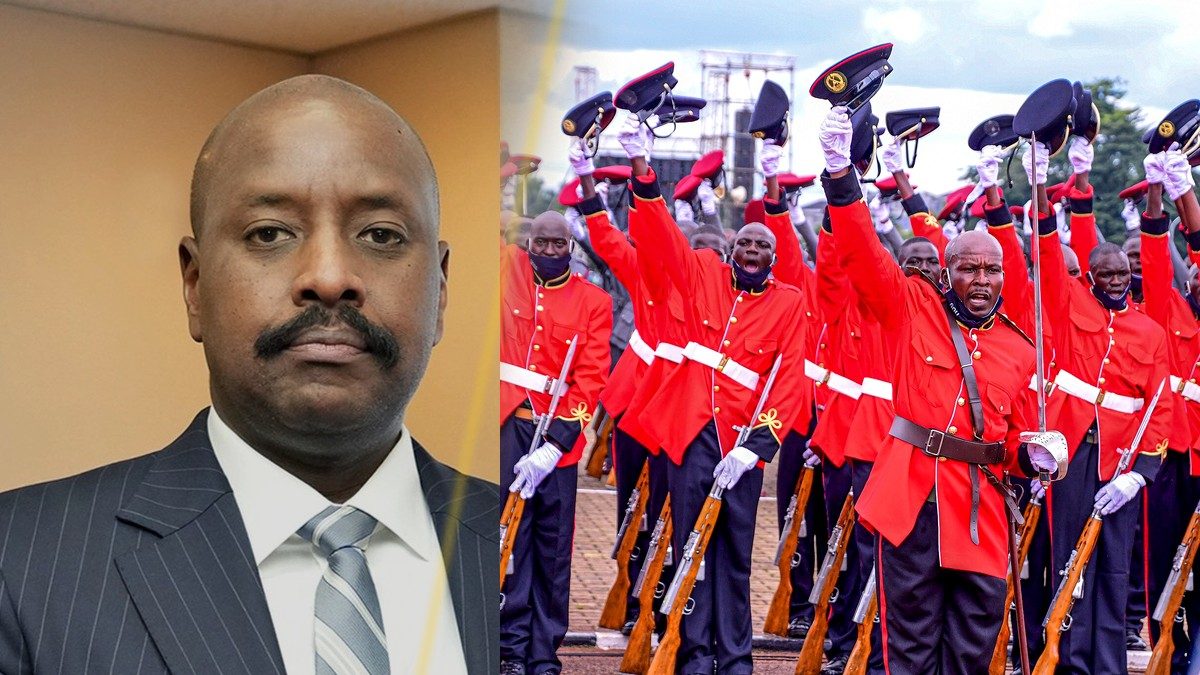
'Renegade' general: Uganda arrests ex-deputy army chief Peter Elwelu in Soroti over alleged Teso plot as wife says he went to pray
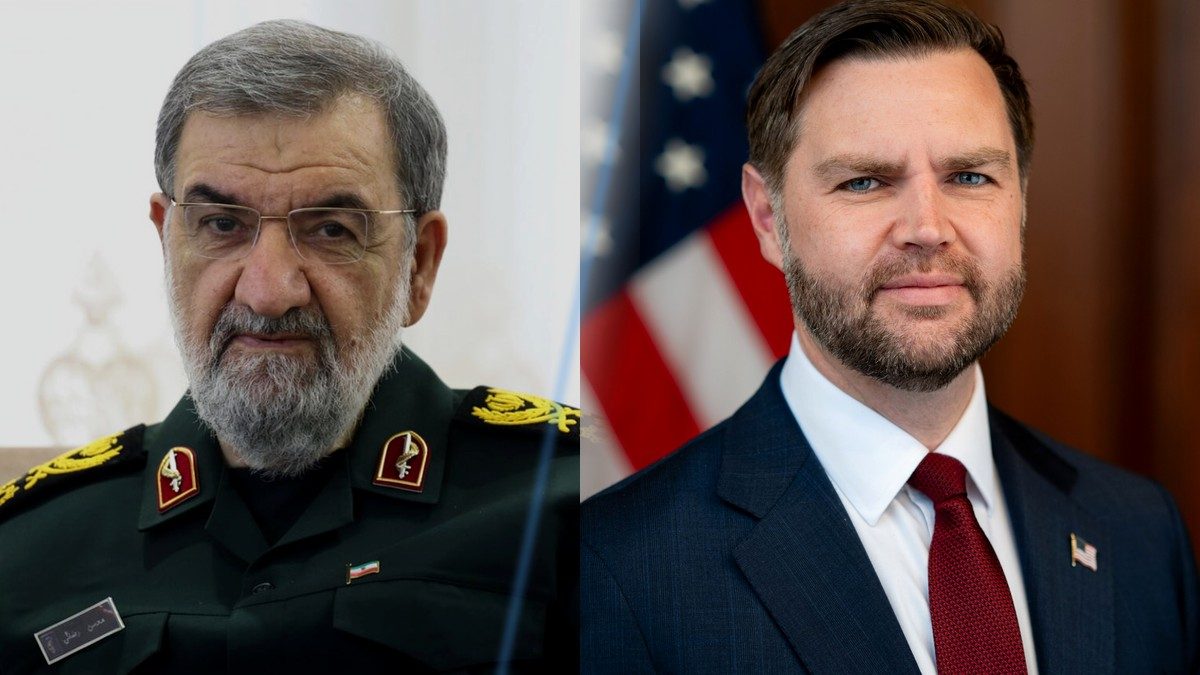
'Not convincing': Iran rejects US reply, says Hormuz stays shut until Washington meets seven conditions
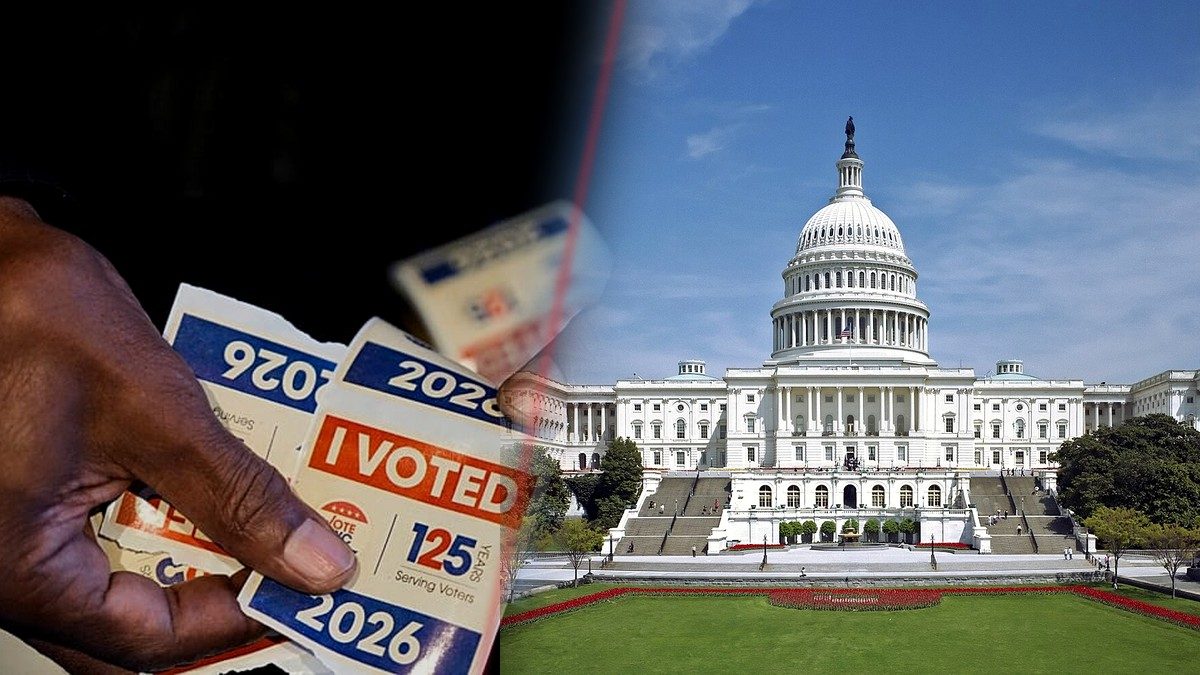
Results watch: Polls begin closing in US midterms as Democrats chase three House seats and four in the Senate to seize Congress from Trump
Global Community Remarks
0