
'It now makes a pipeline bankable': Ndii says Dangote's Lamu refinery revives shelved Turkana crude pipeline
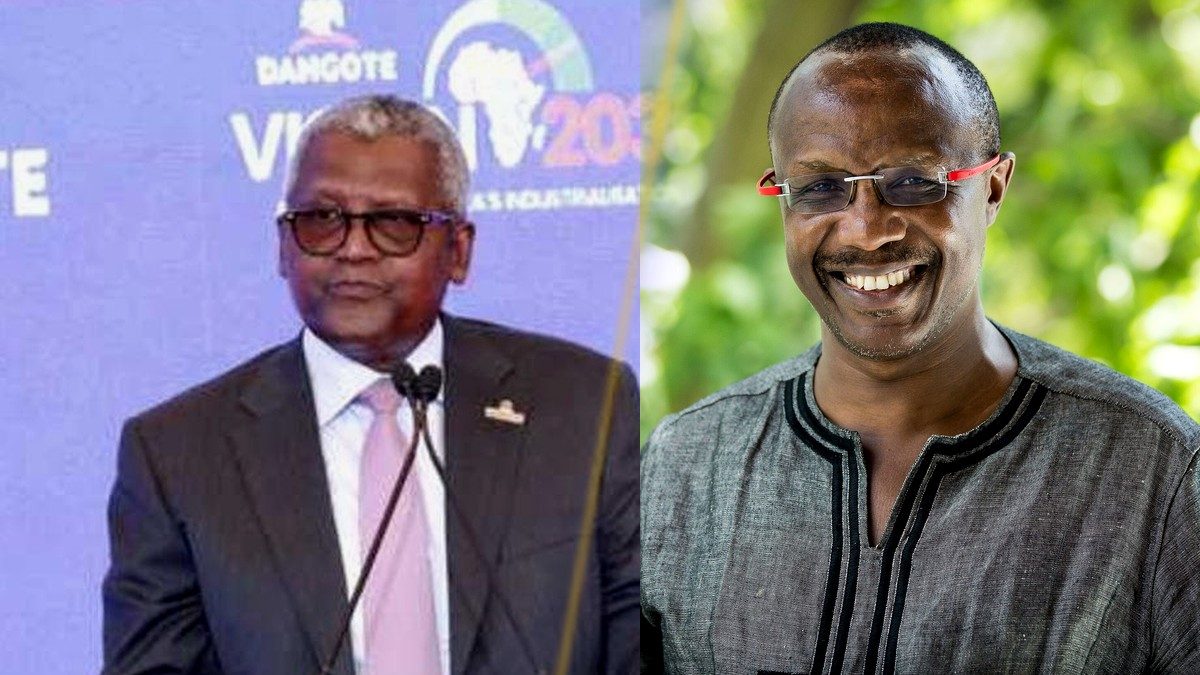
Kenya has revived plans for a crude oil pipeline from the Turkana oil fields, this time to feed Nigerian billionaire Aliko Dangote's planned refinery in Lamu, according to the chairman of the President's Council of Economic Advisors, David Ndii.
Speaking on Tuesday, Dr Ndii said the refinery had changed the economics of a project that was shelved over funding doubts. "What this now means is that it now makes a pipeline bankable," he said, according to the Business Daily.
From trucks and rail to a pipe
The original plan was an 892-kilometre heated pipeline from South Lokichar to Mombasa, which needed at least $1.5 billion (about Sh194 billion) and never found financiers. The government had since looked at extending the metre gauge railway 640 kilometres from Rongai in Nakuru to South Lokichar at an estimated Sh220 billion, a line that would carry only about 50,000 barrels a day.
Dr Ndii said uncertainty over how to move the oil had held back production plans. "Production would have moved slowly because we were not sure about building a pipeline," he said. A heated pipeline could support peak output of about 100,000 barrels a day.
First oil on December 1
Gulf Energy, which operates Blocks T6 and T7, is expected to resume drilling this month and produce Kenya's first crude on December 1, with exports initially by truck. President William Ruto has said he wants exports to start in December, The Star reported, while the Business Daily says shipments are targeted for March next year.
In October, President Ruto said Kenya and Mr Dangote had agreed on a pipeline linking Turkana and Lamu, with the industrialist investing in it, KBC reported.
A refinery that needs regional crude
Mr Dangote broke ground on the East African refinery in Lamu on September 30. The project is valued at up to Sh3.1 trillion ($24 billion), including about $4 billion for a port, pipelines and water and another $4 billion for downstream industries.
- Planned capacity is about 700,000 barrels a day, far more than Turkana alone can supply.
- Government projections put Kenya's output at about 120,000 barrels a day, against 350,000 from South Sudan and 250,000 from Uganda.
- Kenya spent Sh583.7 billion on fuel imports in 2025; the refinery could meet up to 89 per cent of local fuel and lubricant demand.
Dr Ndii said the refinery would unlock the Lamu Port-South Sudan-Ethiopia-Transport (Lapsset) corridor and that Kenya also wants "routes to markets including a product pipeline to Ethiopia".
Big questions remain. Uganda's crude is earmarked for the East African Crude Oil Pipeline to Tanzania, South Sudan exports through Sudan, and no crude supply contracts for the Lamu plant have been made public. Residents of Chandavai in Lamu have also gone to court claiming they were removed from ancestral land for the project without compensation.
Photos: Nation Media Group file via Business Daily (Aliko Dangote at the Lamu refinery groundbreaking); Joerg Farys/Heinrich-Böll-Stiftung via Wikimedia Commons (CC BY-SA 2.0). Thumbnail design: HAMASTA MEDIA.
Every moment, captured beautifully.
Events, corporate portraits, products and editorial shoots by our newsroom photographers.





More in Business
See all
Motorists could face a new road charge as electric vehicles eat into the fuel levy, State Department for Roads says

Jubilee Group hands top job to deputy Juan Cazcarra as Julius Kipng'etich retires after eight years
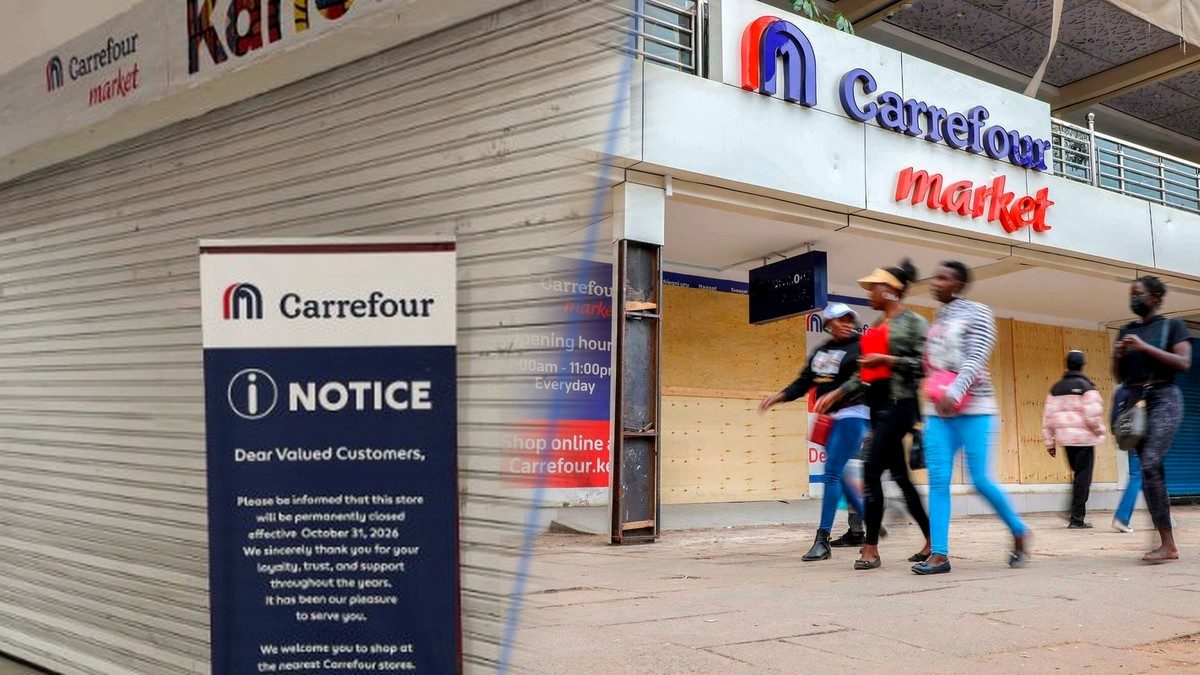
Carrefour pulls down the shutters at Comet House, its first Nairobi CBD store, four years after opening
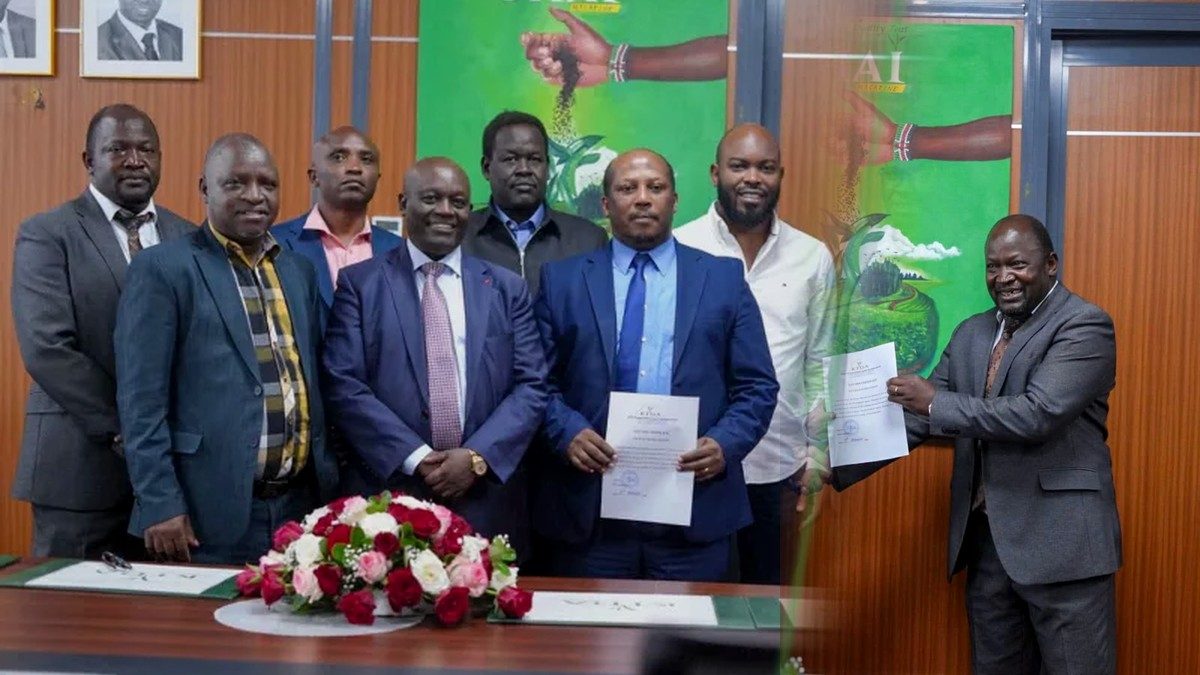
KTDA board ousts Enos Njeru after eight months as Murang'a director James Mwangi is elected chairman
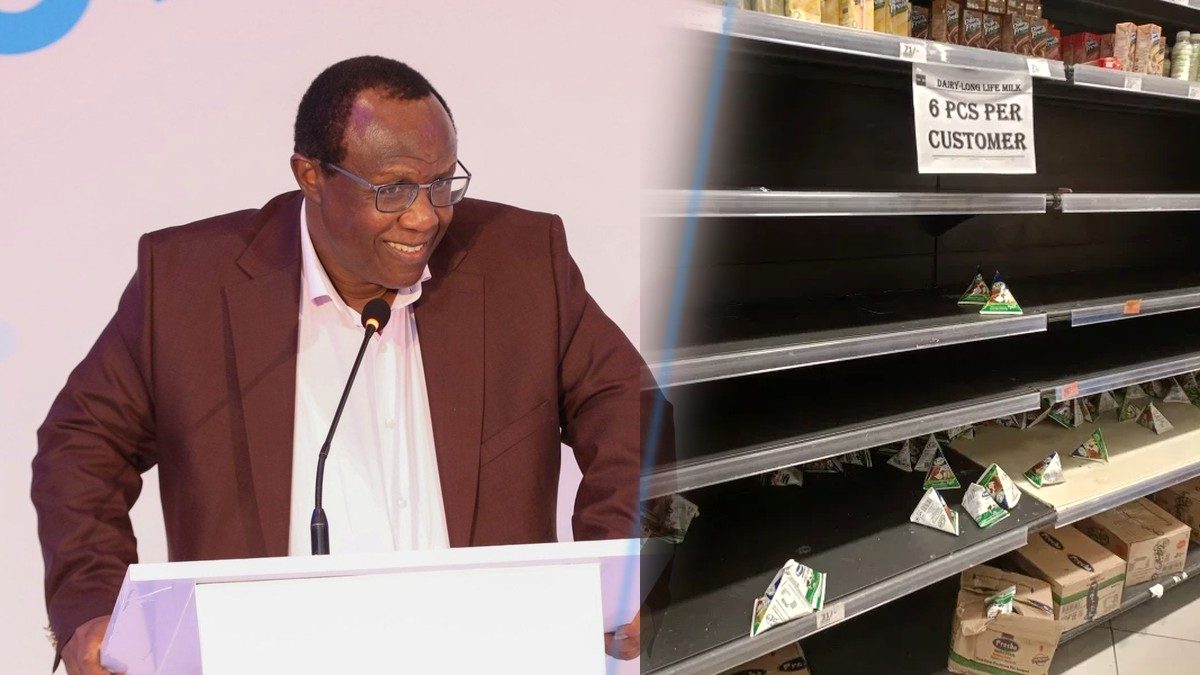
'You will find crates of milk sitting there': Ndii blames empty supermarket shelves on affordable housing workers, not falling supply
Global Community Remarks
0