
Motorists could face a new road charge as electric vehicles eat into the fuel levy, State Department for Roads says
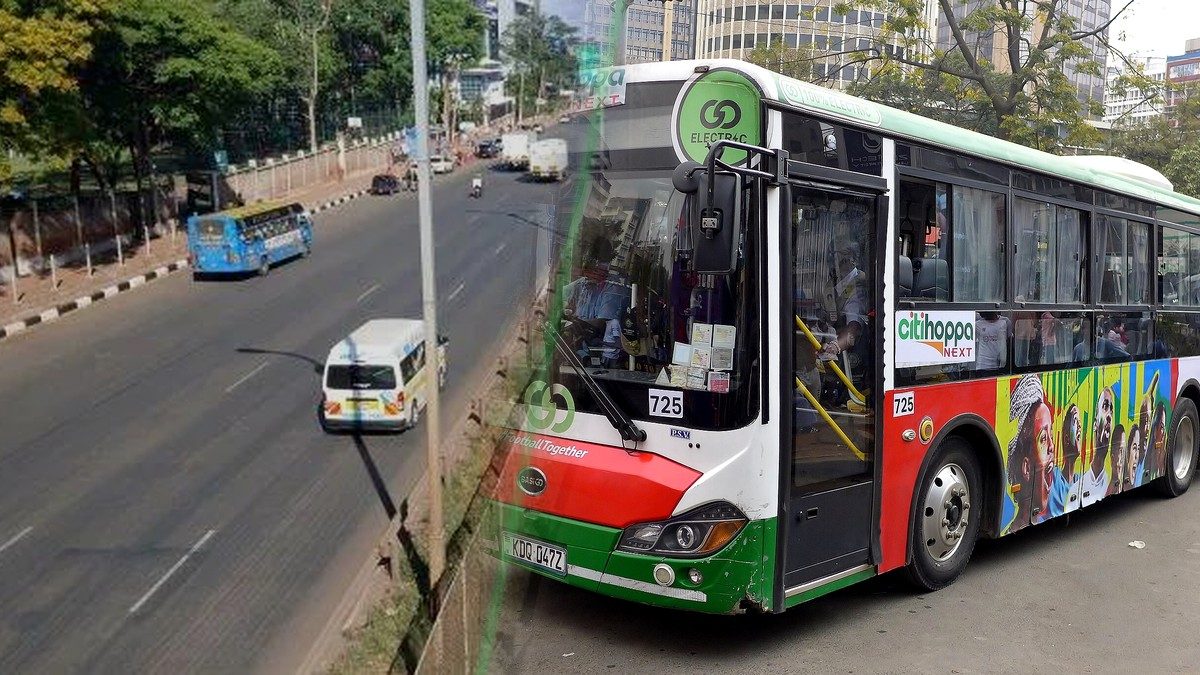
The government is looking for new ways to pay for road maintenance as the growing number of electric vehicles threatens collections from the fuel levy, raising the prospect of fresh charges for motorists.
In a statement on Tuesday, the State Department for Roads said it was "exploring alternative financing mechanisms to mitigate the potential decline in Road Maintenance Levy Fund (RMLF) revenues", Kenyans.co.ke reported.
Why the fuel levy is at risk
The Road Maintenance Levy is charged on every litre of petrol and diesel sold and is already built into the pump price. It stands at Sh25 a litre, up from Sh18 in 2024, and is the main source of money for maintaining Kenya's road network.
Electric cars, motorbikes and buses burn no fuel, so they pay nothing into the fund even though they use the same roads. The department said that as EV numbers grow, fuel consumption will fall and less money will be available for maintenance. Kenya now has more than 35,000 electric vehicles, a figure expected to rise as electric motorbikes and buses spread in Nairobi and other towns.
Options on the table
The department did not say what form the new mechanism would take. Proposals floated over the past year include:
- A distance-based charge for EVs, suggested by the Kenya Roads Board, which would require tracking devices in vehicles.
- More toll roads, as The Standard has reported, as the government searches for a replacement for the fuel levy.
- The return of an annual road licence fee and a one per cent road insurance levy, which The Star reported in January were under consideration.
Any new tax would need Parliament's approval, and no rate or start date has been announced.
Pending bills pile up
The search for new money comes as the roads sector struggles with arrears. Roads and Transport Cabinet Secretary Davis Chirchir disclosed on October 30 that gross pending bills owed to contractors stood at Sh98.17 billion as of June 2026.
The department has already disbursed Sh208.6 billion through a securitisation framework, which raises money against future fuel levy collections to fund road works and pay contractors, an arrangement that depends on the levy continuing to flow.
The plan could put the State at odds with its own push for clean transport. Kenya offers tax incentives on EV parts, charging equipment and local assembly, and e-mobility firms are likely to resist charges that erode the running-cost advantage behind the switch.
Photos: Kenyans.co.ke (Waiyaki Way traffic); Bahnfrend via Wikimedia Commons (CC BY-SA 4.0). Thumbnail design: HAMASTA MEDIA.


Take your event live to thousands.
Multi-camera live streams, panel discussions and digital broadcasts with professional crews.




More in Business
See all
'It now makes a pipeline bankable': Ndii says Dangote's Lamu refinery revives shelved Turkana crude pipeline
Jubilee Group hands top job to deputy Juan Cazcarra as Julius Kipng'etich retires after eight years
Carrefour pulls down the shutters at Comet House, its first Nairobi CBD store, four years after opening
KTDA board ousts Enos Njeru after eight months as Murang'a director James Mwangi is elected chairman
'You will find crates of milk sitting there': Ndii blames empty supermarket shelves on affordable housing workers, not falling supply
Global Community Remarks
0