
OPINION: Kenyan shoes for 14 million pupils is a good idea, until parents are told to pay for it

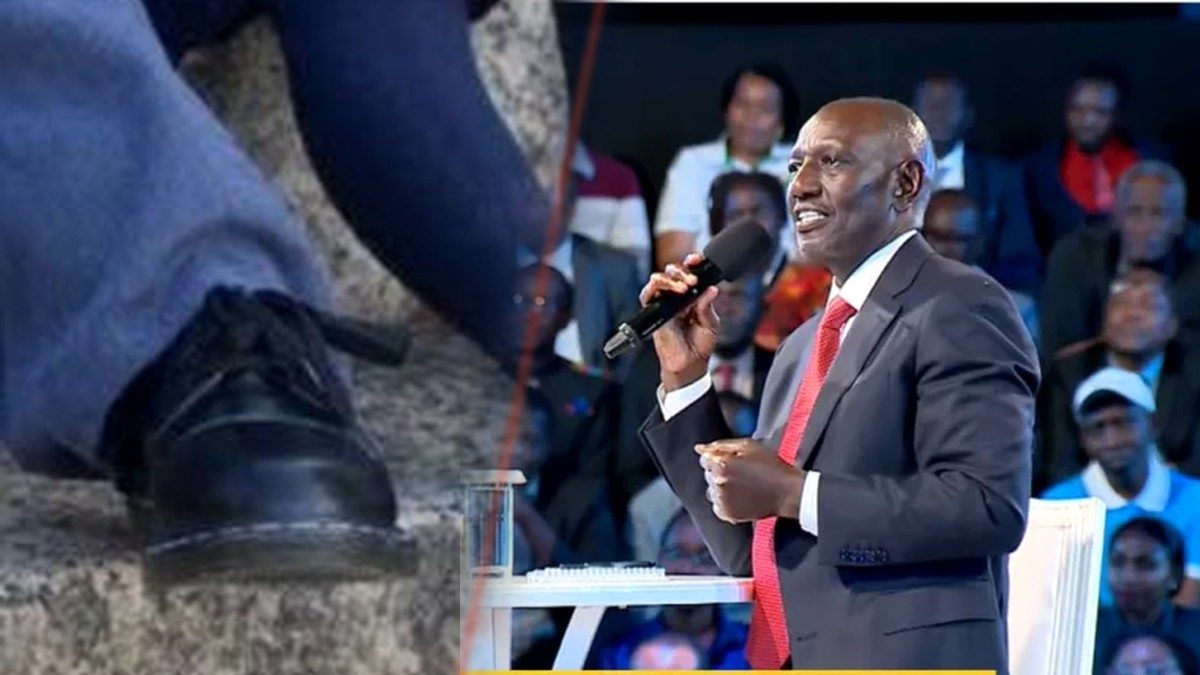
A country with about 80 million livestock should not be importing school shoes. On that point, President William Ruto is right, and every parent who has bought a pair that fell apart by second term will agree.
Speaking at KICC on Wednesday, Ruto told local manufacturers he wants them to make shoes for all the country's school-going children. "We have 14 million of them," he said, as reported by Kenyans.co.ke and Mwakilishi. The goal, he said, is guaranteed demand for the leather industry and jobs spread across the counties.
The case for the plan is strong
The numbers explain the frustration. Kenya ranks 11th in the world by herd size and has Africa's third-largest livestock population, yet it earns only about Sh68 million a year from leather apparel exports while spending Sh285 million on imports, according to World Bank and Kenya Leather Development Council figures cited by both outlets. Hides leave the country cheap and come back as finished goods at a premium.
The government has also put money where its mouth is: a Sh5.8 billion Kenya Leather Industrial Park in Kenani, Machakos, unveiled by Deputy President Kithure Kindiki in September. And the boots order for police and the military, which Ruto says is now fully met by local makers, shows that a large, steady buyer can help factories grow.
But school shoes are bought by parents, not the State
Here is the difference that must not be lost. Police boots are paid for by the government. School shoes are paid for by mothers and fathers already stretched by fees, uniforms, levies and the rising cost of living. If "all shoes for school-going children" becomes a rule that schools enforce, or a single approved supplier list, parents could be forced to buy a particular pair at whatever price the approved factory sets.
Ruto himself admitted in October, as The Star reported, that he was "waiting for the manufacturers to improve on their quality." That is an honest concession. Quality has to come first, and price has to be competitive, before any child is expected to wear the product.
There is also the risk that a 14-million-pair market becomes a tender opportunity for the well connected rather than a lift for the small cobblers and county tanneries the President says he wants to help.
How to get it right
- Keep it voluntary: let Kenyan shoes win parents on price and durability, with no school allowed to demand a specific brand or supplier.
- If the government buys shoes for needy learners, do it through open county-level procurement that small producers can actually win.
- Publish a quality standard with KEBS so that "made in Kenya" means a shoe that lasts a school year.
- Measure success by jobs created in tanneries and workshops, not by press releases.
Buying Kenyan is a sound economic idea. Making parents pay for an industrial policy they were never consulted on is not. If the shoes are good and cheap, Kenyan parents will buy them without being told to.
Photos: Mwakilishi.com; PCS via The Star. Thumbnail design: HAMASTA MEDIA.



Know what people say about you.
Media monitoring, audience insights and strategic communication for your brand.


More in Education
See all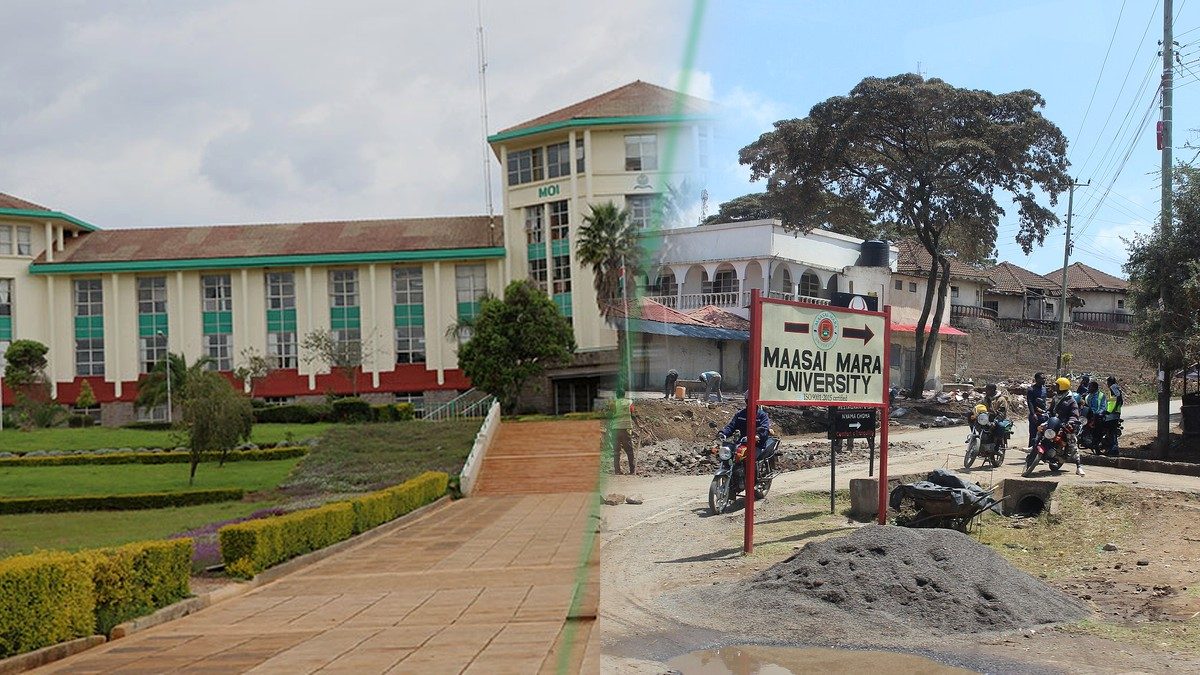
Beaten by just 0.1 points: Moi University edges Maasai Mara to top 86 State agencies in gender rankings, ahead of HELB and KRA
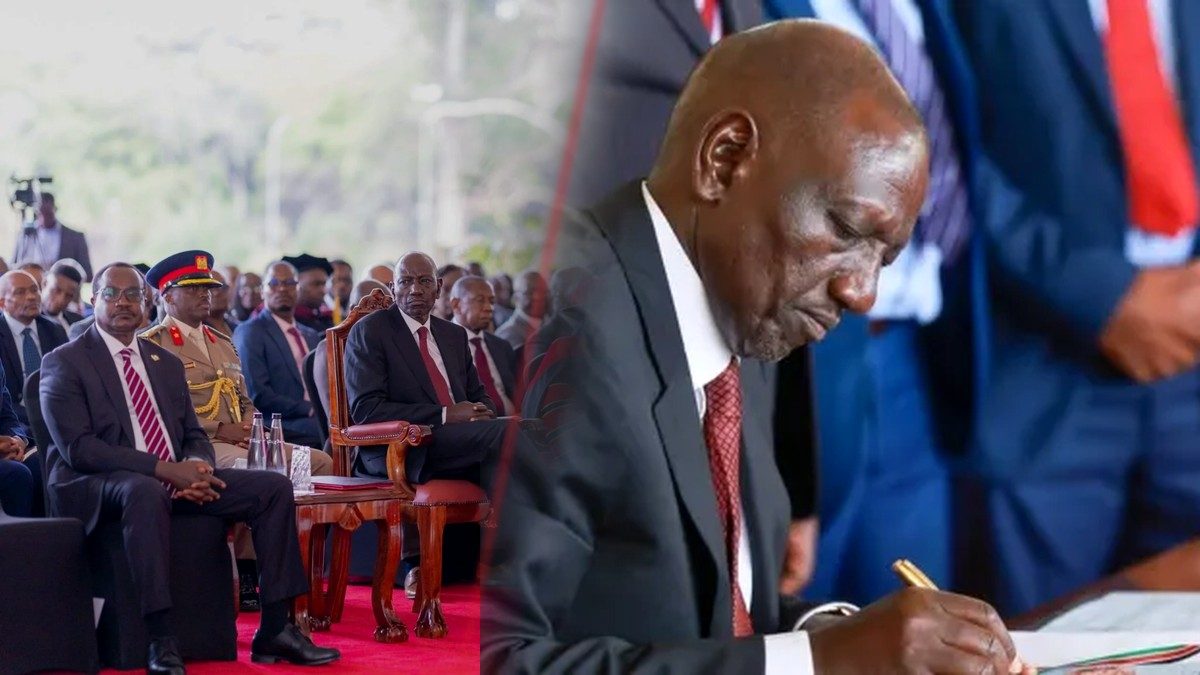
'I will sponsor five students every year': Ruto makes personal pledge as International Leadership University gets its charter at State House
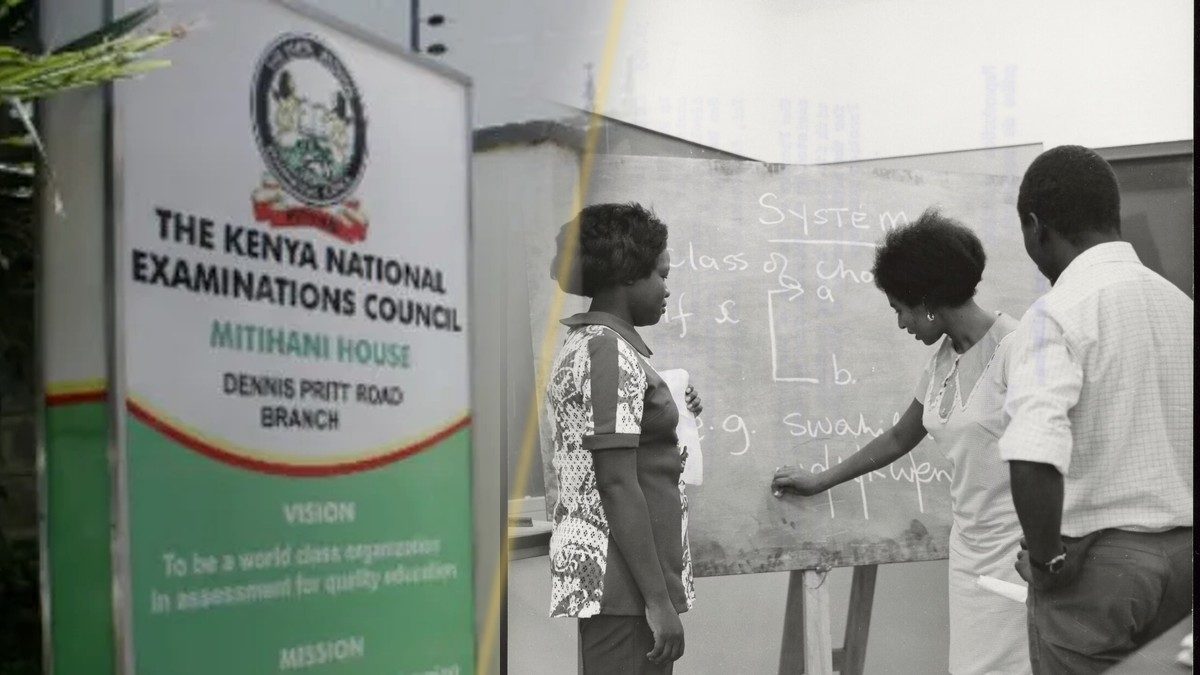
Sh7,200 for a second chance: KNEC opens January resits for referred teacher trainees racing to graduate in March
Three candidates dead, 13 missing in Nairobi alone: Ogamba sends chiefs and Nyumba Kumi to find KCSE no-shows
Longer breaks, shorter second term: Here are your 2027 school dates as Education ministry reworks calendar after unrest hit 204 schools
Why public university lecturers might go back to the streets.
Global Community Remarks
0