
Longer breaks, shorter second term: Here are your 2027 school dates as Education ministry reworks calendar after unrest hit 204 schools

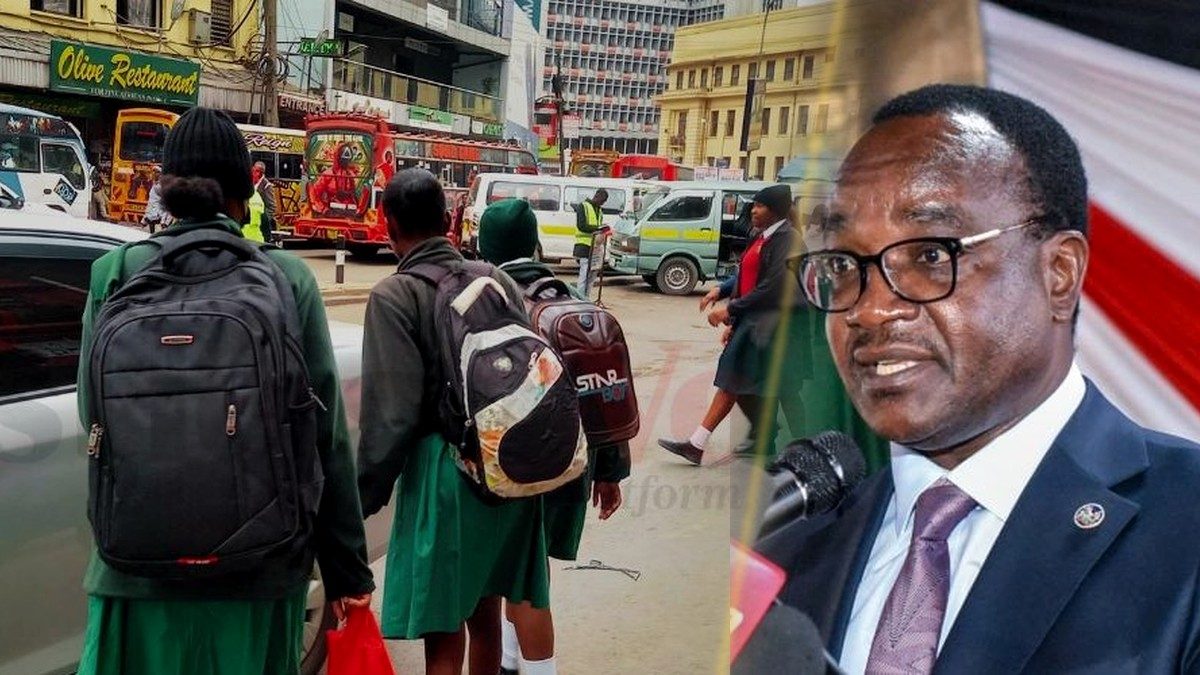
Parents planning school fees, travel and holidays for 2027 now have the dates: learners will open on January 4, sit a longer third term and get longer half-term breaks, under a revised calendar the Ministry of Education says is meant to ease pressure on pupils after a turbulent 2026.
The calendar is contained in a circular dated October 19, 2026, signed by Basic Education Principal Secretary John Ololtuaa and addressed to all basic education institutions, according to The Eastleigh Voice and the Nation.
Pre-primary, primary and junior schools
- Term One: January 4 to April 9 (14 weeks), with a half-term break from February 19 to 28
- April holiday: April 10 to May 2
- Term Two: May 3 to July 30 (13 weeks), with a half-term break from June 9 to 20
- August holiday: July 31 to August 29
- Term Three: August 30 to November 5 (10 weeks)
- December holiday: about eight weeks, running to January 3, 2028
Senior and secondary schools
Senior schools follow the same pattern but close Term One earlier, on April 2, after 13 weeks, giving them a four-week April break from April 3 to May 2. Terms Two and Three match the primary dates, ending on July 30 and November 5 respectively. Some outlets give slightly different end dates for senior Term One, so parents should confirm with their schools.
Exam dates
- KPSEA, KJSEA and the related assessments for learners with special needs: November 1 to 5, 2027
- KCSE: November 8 to 26, 2027
Diploma teacher training colleges have a separate calendar, opening on January 5 and closing their third term on November 12.
Why the ministry changed the calendar
The 2025 and 2026 calendars ran a 13-week first term, a long 14-week second term and a short nine-week third term. The new calendar trims the second term and adds a week to the third, while lengthening the mid-term breaks.
The review follows a wave of unrest that affected 204 schools in 2026. The ministry listed learner fatigue, exam pressure, leadership challenges, poor boarding conditions, peer pressure and drug abuse among the causes. Education CS Julius Ogamba had said in June that the calendar would be reviewed to spread learning time more evenly, and in October he appointed a 52-member task team chaired by Prof Peter Mulwa Mbithi to look into the unrest.
The second term, which carries most co-curricular activities and has historically been the peak period for school strikes, is now one week shorter, with an 11 to 12-day break in June.
Photos: The Eastleigh Voice/Justine Ondieki (learners heading home); Capital FM (Education CS Julius Ogamba). Thumbnail design: HAMASTA MEDIA.
Every moment, captured beautifully.
Events, corporate portraits, products and editorial shoots by our newsroom photographers.





More in Education
See all
Beaten by just 0.1 points: Moi University edges Maasai Mara to top 86 State agencies in gender rankings, ahead of HELB and KRA
'I will sponsor five students every year': Ruto makes personal pledge as International Leadership University gets its charter at State House
Sh7,200 for a second chance: KNEC opens January resits for referred teacher trainees racing to graduate in March

Three candidates dead, 13 missing in Nairobi alone: Ogamba sends chiefs and Nyumba Kumi to find KCSE no-shows
OPINION: Kenyan shoes for 14 million pupils is a good idea, until parents are told to pay for it

Why public university lecturers might go back to the streets.
Global Community Remarks
0