
From Sh118.79 billion to Sh75.07 billion in one year: Sakaja tells senators how City Hall's debt shrank, but not all of it was paid

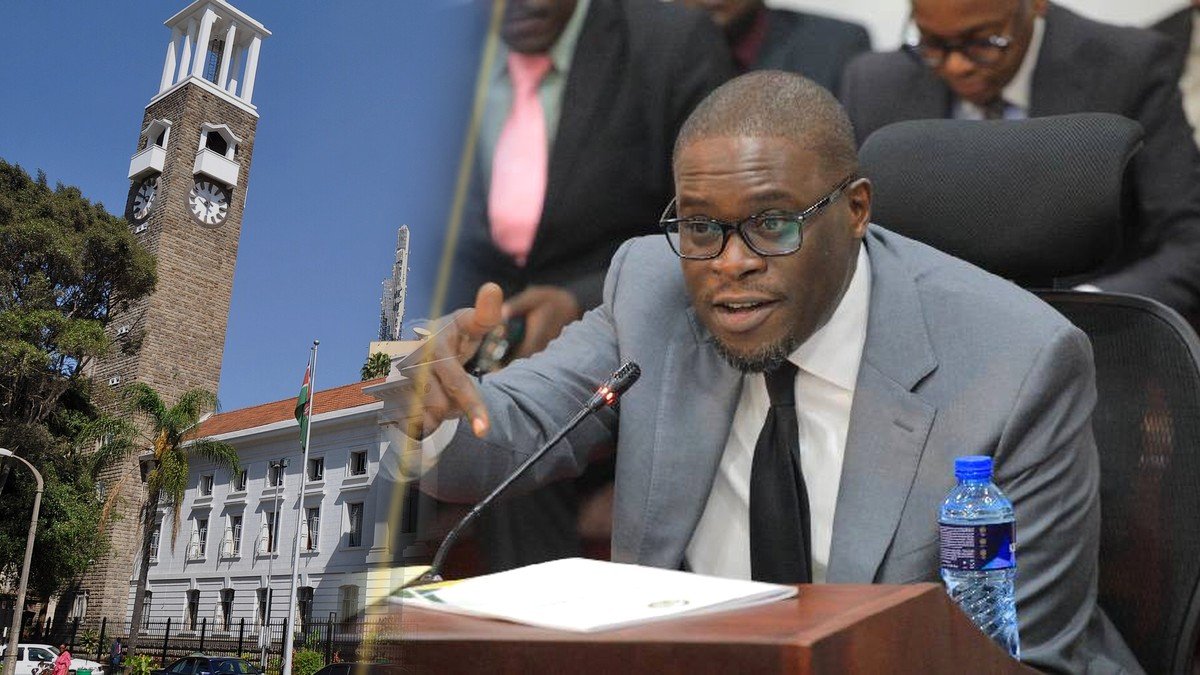
Sh43.73 billion wiped off Nairobi's books in twelve months. That is the figure Governor Johnson Sakaja defended before senators on Monday, and he admitted that not all of it was cleared with cash.
Appearing before the Senate County Public Accounts Committee on Monday, November 9, Sakaja said the county's pending bills fell from Sh118.79 billion on July 1, 2024 to Sh75.07 billion by June 30, 2025.
"Sh118 billion in pending bills is a substantial amount of money," he told the committee, as quoted by The Star. He said the debt was inherited from earlier administrations, and that he formed an internal verification committee to check whether the claims were genuine before any payments were made.
Where the money went
Sakaja said the verification "established that the reduction was not solely through payments". According to The Star and The Standard, the cut was made up of several items:
- Legal assessments worth Sh1.63 billion.
- Government-guaranteed loans worth Sh19.14 billion that were suspended.
- Interest and penalties owed to the pension fund LAPFUND, which fell from Sh19.2 billion to about Sh8.2 billion under a court consent.
- Disputed claims and other adjustments.
The items listed add up to roughly Sh40 billion of the Sh43.73 billion reduction, and the reports do not break down the rest.
The county also said it had saved about Sh8.48 billion in legal costs over two financial years. It said the County Assembly's justice and legal affairs team concluded 174 cases, handled 84 in-house and won 47.
Senators want proof
The committee, chaired by Homa Bay Senator Moses Kajwang, welcomed the drop but said it was not fully satisfied. It asked Sakaja for more documents backing the payments and the processes used, and for clearer explanations of the verification exercise and the debt adjustments.
Auditors had also flagged Sh16.04 million in receivables from non-exchange transactions that lacked enough supporting documents. The county said it had provided a signed indemnity form for misplaced payment records, as allowed under Treasury rules, and a memo confirming that the works were done and paid for.
What it means for Nairobians
Pending bills are money owed to suppliers, contractors and lenders. When they pile up, small businesses that have served the county go unpaid and services suffer. Nairobi has for years topped the list of counties with the biggest unpaid bills.
The hearing comes at a politically charged time for Sakaja, who recently left UDA for ODM and is seeking a second term. Kasarani MP Ronald Karauri has since joined UDA with an eye on the governor's seat, making City Hall's finances likely to feature heavily in the race.
Photos: The Standard (file); Nairobi City Hall by Jorge Láscar via Wikimedia Commons (CC BY-SA 2.0). Thumbnail design: HAMASTA MEDIA.


Grow an audience that listens.
Social media management, digital campaigns and online storytelling that converts.



More in Politics
See all
Kenyans to Vote for Best Govt Agencies in 2026 Public Service Awards

Gachagua mocks Ruto's 'Usawa ni Sawa' over appointments he calls tribal

KNCHR Names Dr Mary Kimari as New CEO, Succeeding Dr Benard Mogesa

2027 presidential bid could cost up to KSh 20bn, far above IEBC's KSh 6.1bn cap

Ruto adviser Jaoko Oburu Odinga to quit State House job, eyes Bondo MP seat in 2027

Ndindi Nyoro weighs in on leaders' dress code in apparent dig at Edwin Sifuna
Global Community Remarks
0