
2027 presidential bid could cost up to KSh 20bn, far above IEBC's KSh 6.1bn cap

Aspirants eyeing the presidency in Kenya's 2027 General Election may need between KSh 10 billion and KSh 20 billion to mount a credible nationwide campaign, according to estimates by analysts cited in a local daily reviewed by Tuko on Tuesday, November 17.
The figures are far higher than the KSh 6.1 billion spending ceiling set by the Independent Electoral and Boundaries Commission (IEBC) for presidential campaigns.
However, the IEBC limit covers only the official two-month campaign period. Many hopefuls have already started reaching out to voters and raising funds well before that window opens, with the election now less than nine months away.
Reaching every corner of the country
University of Nairobi political analyst Professor Karuti Kanyinga estimates that a competitive presidential bid costs about KSh 14 billion.
His figure takes into account the need for candidates to take their message to voters in all 47 counties and 290 constituencies.
Fellow academic Professor Macharia Munene said contenders must build ties with major financiers to keep their campaigns running. Persuading wealthy backers, he noted, depends on a combination of political appeal and proof that the candidate can marshal resources.
Former Cabinet Secretary Moses Kuria, who worked on President William Ruto's 2022 campaign and former President Uhuru Kenyatta's campaigns in 2013 and 2017, said a presidential run requires years of groundwork.
Merchandise and polling agents
Nairobi Governor Johnson Sakaja, who took part in presidential campaigns in 2017 and 2022, said campaign materials such as T-shirts, caps and banners can on their own cost as much as KSh 500 million.
He also singled out the deployment of polling agents as one of the heaviest expenses a campaign faces.
Kenya is expected to have 55,393 polling stations in 2027. A candidate who places two agents at every station and pays each KSh 2,000 would spend at least KSh 221 million on that item alone.
Diaspora in the spotlight
The huge sums involved have drawn several contenders to the United States, which hosts a large Kenyan diaspora community.
The Central Bank of Kenya estimated that remittances from Kenyans abroad hit KSh 650 billion in 2023, underlining the financial weight of the diaspora.
Democracy for Citizens Party (DCP) leader Rigathi Gachagua returned home on October 20 after spending 50 days in the US, where he met Kenyans living there and held fundraising events.
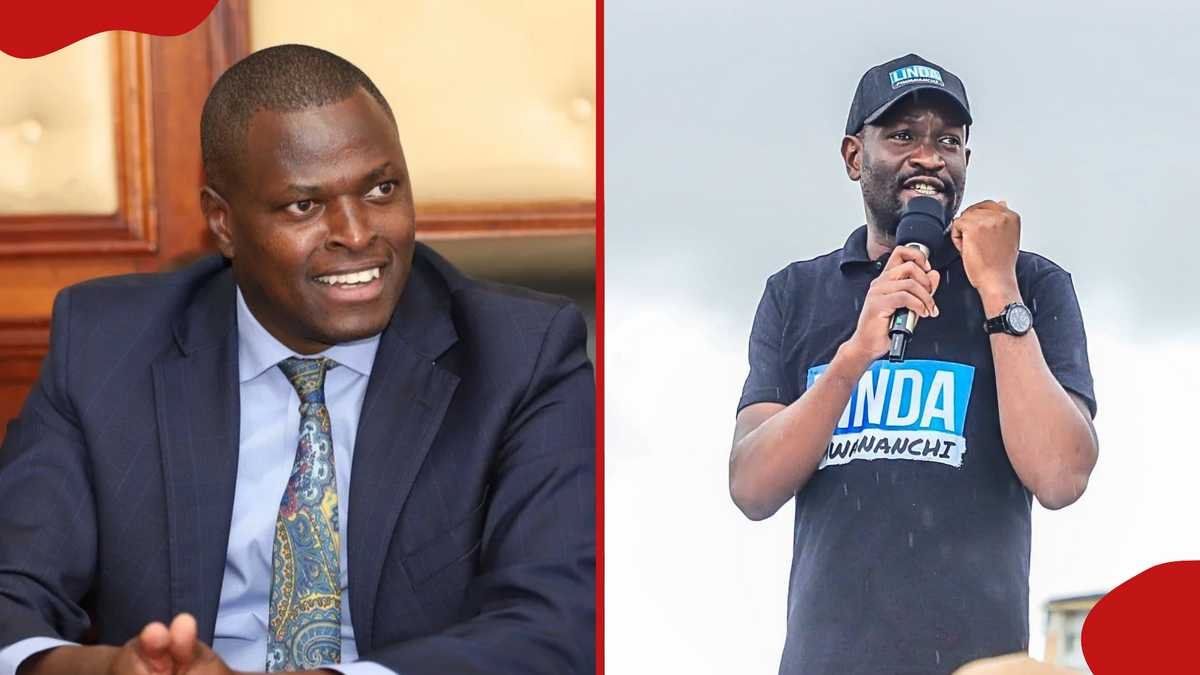
Linda Mwananchi leader Edwin Sifuna is set to start a two-week trip to the US on November 20.
Wiper party leader Kalonzo Musyoka, on the other hand, has pushed his planned American tour to February 2027.
Other aspirants, including Jubilee leader Fred Matiang'i and businessman Jimmy Wanjigi, have hired American firms to strengthen their campaigns and expand their international networks.
A costly contest
The estimates highlight the gap between the official spending rules and the real cost of seeking the country's top seat, as campaigns stretch far beyond the period regulated by the electoral body.
With fundraising already under way at home and abroad, the financial muscle of each contender is likely to remain a key talking point as the 2027 race takes shape.
This story was prepared by the Hamasta Newsdesk with AI assistance, based on reporting by Tuko. Read the original report. Photo: Tuko.


Grow an audience that listens.
Social media management, digital campaigns and online storytelling that converts.



More in Politics
See all
Kenyans to Vote for Best Govt Agencies in 2026 Public Service Awards
Gachagua mocks Ruto's 'Usawa ni Sawa' over appointments he calls tribal

KNCHR Names Dr Mary Kimari as New CEO, Succeeding Dr Benard Mogesa
Ruto adviser Jaoko Oburu Odinga to quit State House job, eyes Bondo MP seat in 2027
Ndindi Nyoro weighs in on leaders' dress code in apparent dig at Edwin Sifuna
Global Community Remarks
0