
Ndindi Nyoro weighs in on leaders' dress code in apparent dig at Edwin Sifuna
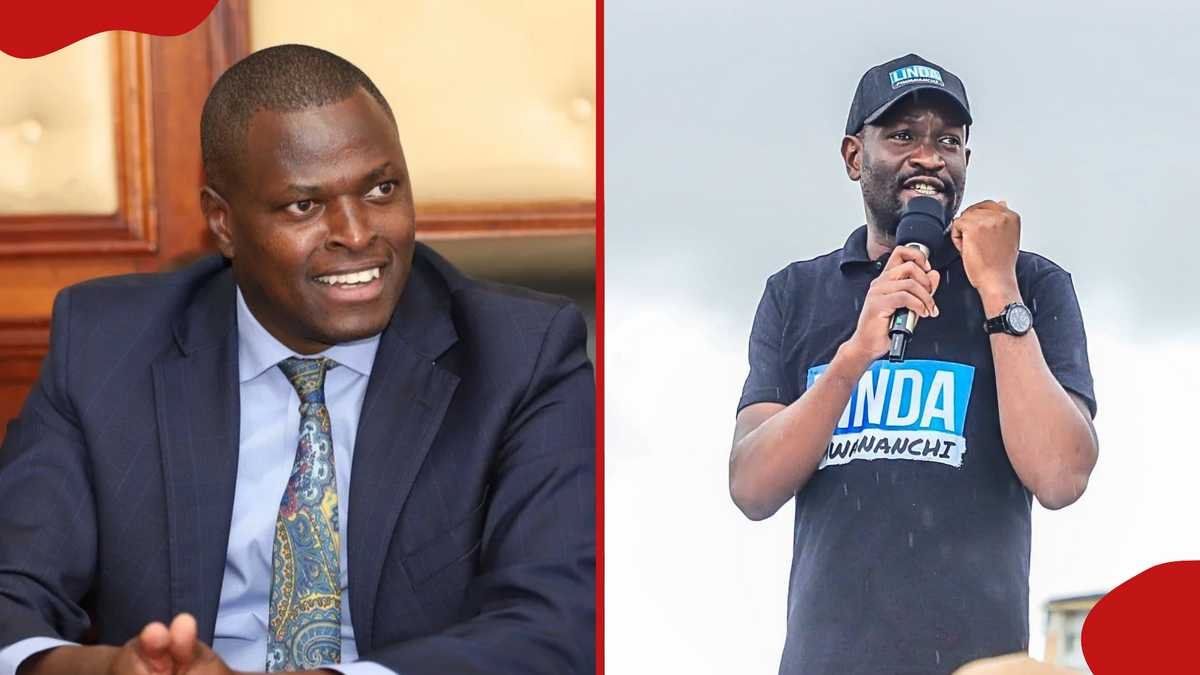
Kiharu Member of Parliament Ndindi Nyoro has spoken out on how political leaders should present themselves in public, in comments widely interpreted as a jab at ODM Secretary General Edwin Sifuna, whose trademark look is T-shirts, jeans and sneakers.
According to Tuko, Nyoro argued that a leader's appearance sends a direct message to the people they represent, and that both clothing and speech influence how the public sees those in office.
Personal standards in Kiharu
The legislator explained that he has set his own rules for how he appears at public events in his constituency, which he described as rural and conservative.
He said he has never attended a meeting in Kiharu dressed in jeans or a round-neck T-shirt. Nyoro clarified that he does not regard such clothing as wrong in itself, but believes his voters expect a particular standard from their MP.
The MP added that he also avoids wearing sunglasses when serving his constituents. His reasoning, Tuko reported, is that noticeable changes in a leader's appearance can unsettle voters who have grown used to a familiar image.
Nyoro was careful to present his views as personal choices rather than rules for everyone, acknowledging that leaders work in different settings and contexts.
Sifuna stands by his style
The Kiharu MP's remarks came shortly after Sifuna responded to criticism of his relaxed dress sense.
Sifuna, who leads the Linda Mwananchi Movement, said he had no plans to change the way he dresses. He cited feedback from his supporters, especially young Kenyans, who he said told him they prefer leaders who are humble and who reflect simplicity in how they look.
The senator-turned-party official has become one of the most recognisable figures in opposition politics, and his casual outfits have become part of his public identity.
A divided reception
Sifuna's style has drawn mixed reactions. It has won praise from youth-oriented audiences who see it as relatable, while others insist that people in leadership should dress more formally.
Nyoro's comments add a new voice to that debate, setting out a contrasting approach rooted in what he believes his own constituents expect.
The exchange highlights a wider conversation in Kenyan politics about image and how leaders connect with different groups of voters, from conservative rural communities to younger, urban supporters.
Neither leader has suggested that the other's approach is wrong outright. Nyoro framed his position around the expectations of Kiharu residents, while Sifuna pointed to the preferences of the young people who back him.
This story was prepared by the Hamasta Newsdesk with AI assistance, based on reporting by Tuko. Read the original report. Photo: Tuko.

Tell your story on screen.
Commercials, documentaries, interviews and social video, from script to final cut.





More in Politics
See all
Kenyans to Vote for Best Govt Agencies in 2026 Public Service Awards
Gachagua mocks Ruto's 'Usawa ni Sawa' over appointments he calls tribal
KNCHR Names Dr Mary Kimari as New CEO, Succeeding Dr Benard Mogesa
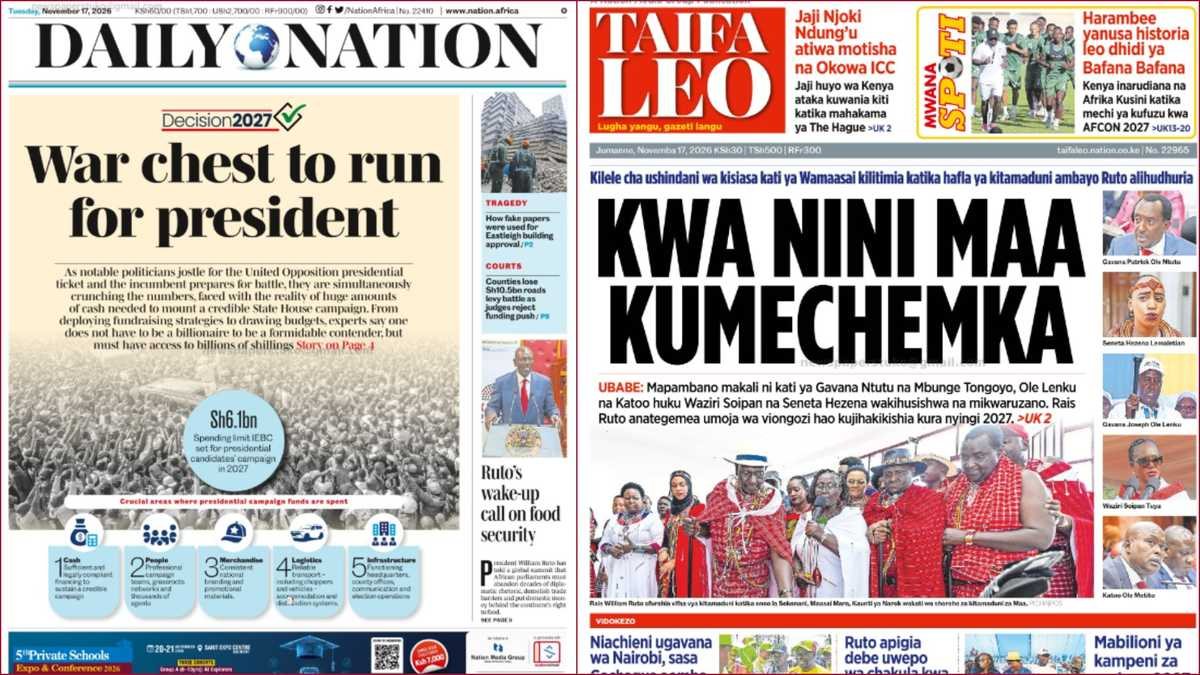
2027 presidential bid could cost up to KSh 20bn, far above IEBC's KSh 6.1bn cap
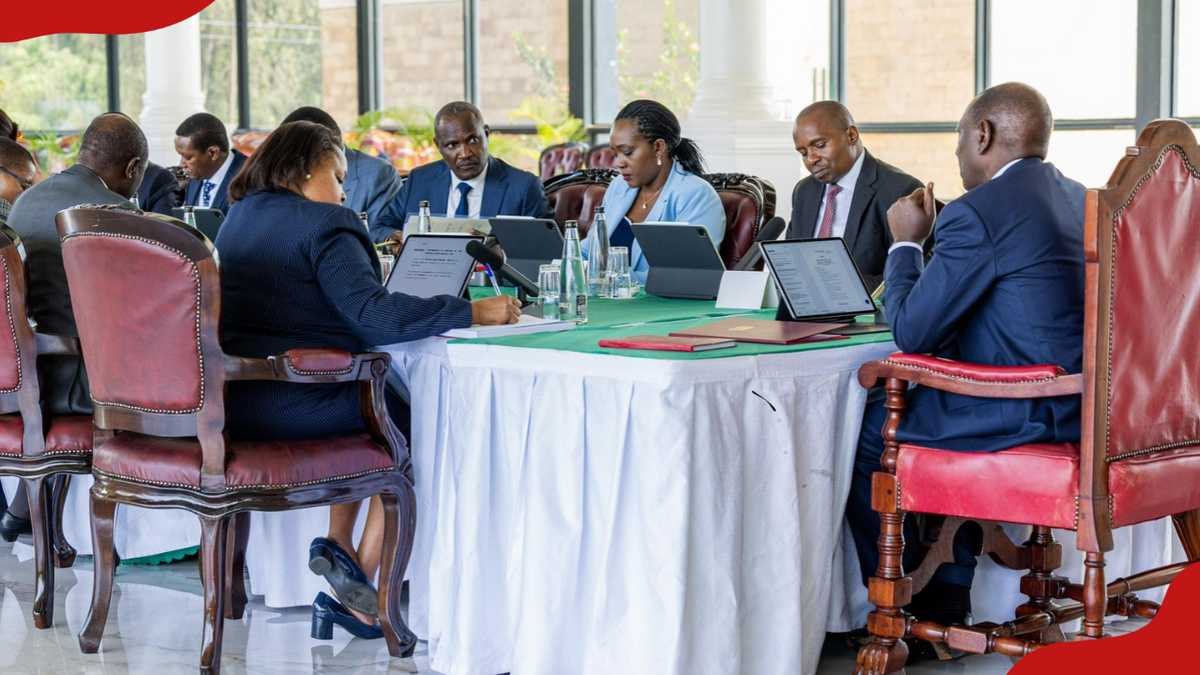
Ruto adviser Jaoko Oburu Odinga to quit State House job, eyes Bondo MP seat in 2027
Global Community Remarks
0