
Ruto Outlines Ambitious Plan to Make Kenya Food Secure by 2030
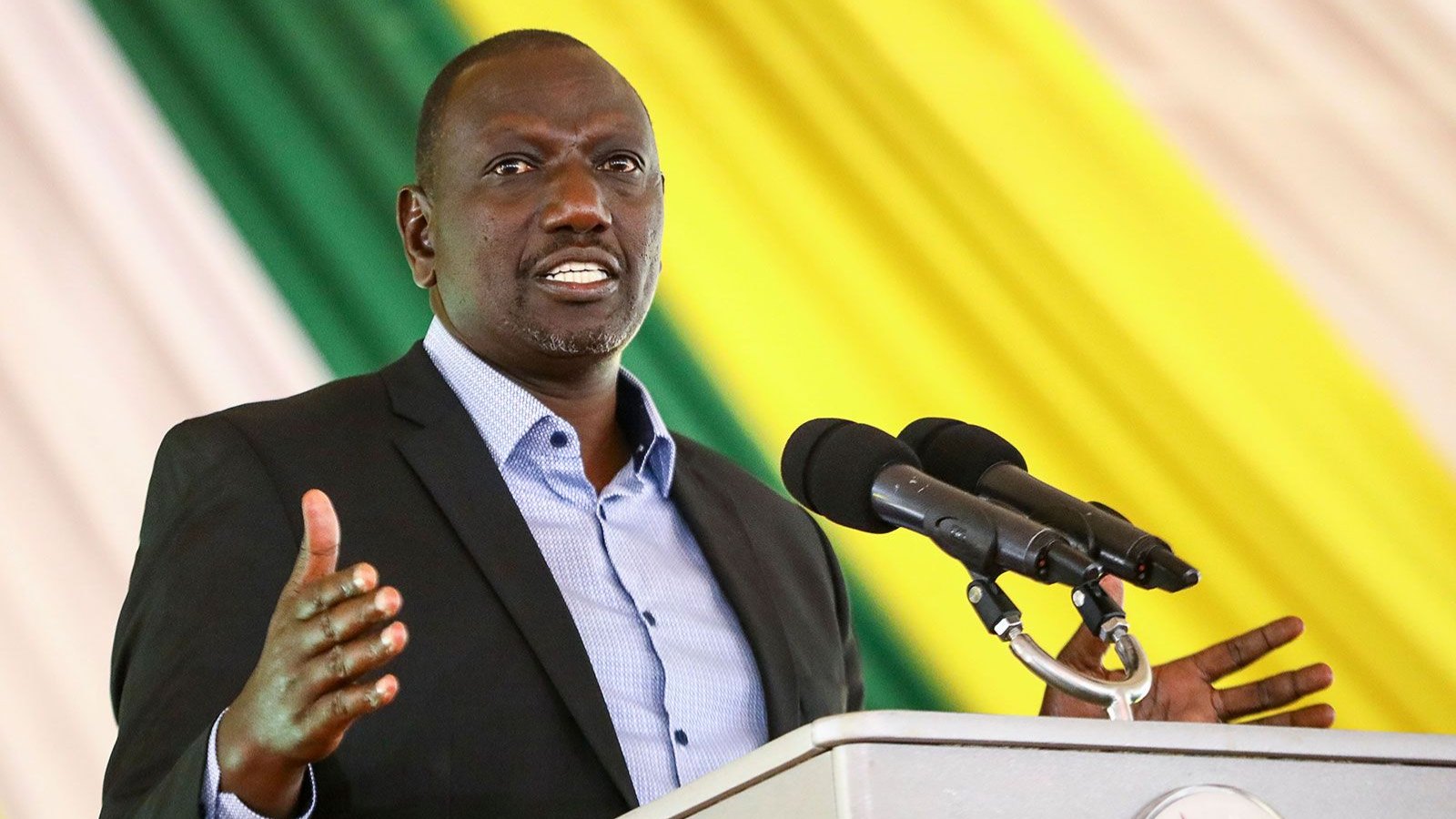
President William Ruto has reaffirmed his administration’s commitment to achieving food security in Kenya by 2030, outlining a series of agricultural interventions aimed at increasing food production and reducing the country’s dependence on rainfall.
Speaking on Monday, November 16, 2026, during the Third Global Parliamentary Summit Against Hunger and Malnutrition at Parliament Buildings in Nairobi, the President highlighted the government’s efforts to address food shortages and improve access to nutritious food across the country.
Ruto expressed concern over inadequate rainfall, particularly in Arid and Semi-Arid Lands (ASALs), noting that prolonged dry conditions continue to leave millions of Kenyans vulnerable to hunger and malnutrition. He revealed that approximately 2.7 million people are currently experiencing crisis-level food insecurity, with women and children among the most affected.
The President observed that malnutrition remains a significant economic challenge, costing Kenya an estimated 6.9 per cent of its Gross Domestic Product (GDP).
Highlighting the government's achievements in the agricultural sector, Ruto said the administration has redirected its focus towards supporting farmers and increasing local food production. He revealed that approximately 38 million bags of subsidised fertiliser have been distributed to two million farmers, contributing to a 73 per cent reduction in fertiliser prices since 2022.
According to the President, maize production has also recorded considerable growth, rising from 34 million bags in 2022 to 71 million bags in 2025. The increase, he noted, has helped reduce the country's reliance on imported maize.
However, Ruto maintained that Kenya cannot achieve sustainable food security by depending entirely on rainfall. He called for greater investment in irrigation infrastructure to ensure consistent agricultural production, even during prolonged dry seasons.
Through the National Infrastructure Fund, the government plans to construct 50 mega dams, 200 medium-sized dams and thousands of micro-dams. The initiative is expected to bring an additional 2.5 million acres of land under irrigation within the next five to seven years.
The Head of State also highlighted the role of school feeding programmes in addressing malnutrition and improving children's welfare. He said the initiative currently benefits approximately three million learners, with the government targeting an expansion to reach 10 million learners between 2027 and 2030.
Beyond national interventions, Ruto called on African governments to strengthen legislation, improve budgetary allocations and enhance oversight mechanisms to address hunger and malnutrition across the continent.
He argued that hunger is not necessarily a result of insufficient global food production but is also influenced by policy decisions, resource allocation, infrastructure development and the opportunities available to vulnerable populations.
The President maintained that achieving food security requires deliberate investment, effective policies and sustained support for farmers, adding that agriculture must remain central to Kenya's economic transformation agenda.


Take your event live to thousands.
Multi-camera live streams, panel discussions and digital broadcasts with professional crews.




More in Politics
See all
Kenyans to Vote for Best Govt Agencies in 2026 Public Service Awards

Gachagua mocks Ruto's 'Usawa ni Sawa' over appointments he calls tribal
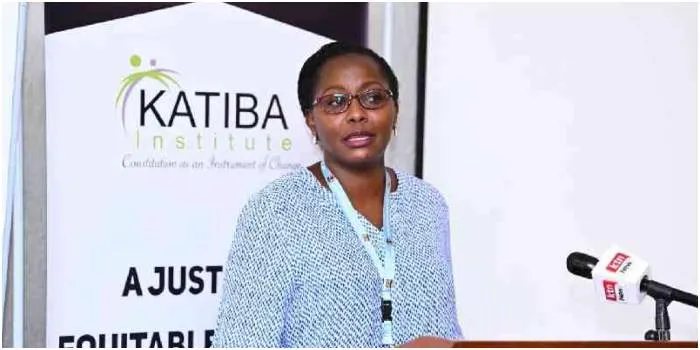
KNCHR Names Dr Mary Kimari as New CEO, Succeeding Dr Benard Mogesa

2027 presidential bid could cost up to KSh 20bn, far above IEBC's KSh 6.1bn cap

Ruto adviser Jaoko Oburu Odinga to quit State House job, eyes Bondo MP seat in 2027
Global Community Remarks
0