
'Sexual favours' for party tickets and gangs for hire: Kisumu women aspirants name what is pushing them out of the 2027 race

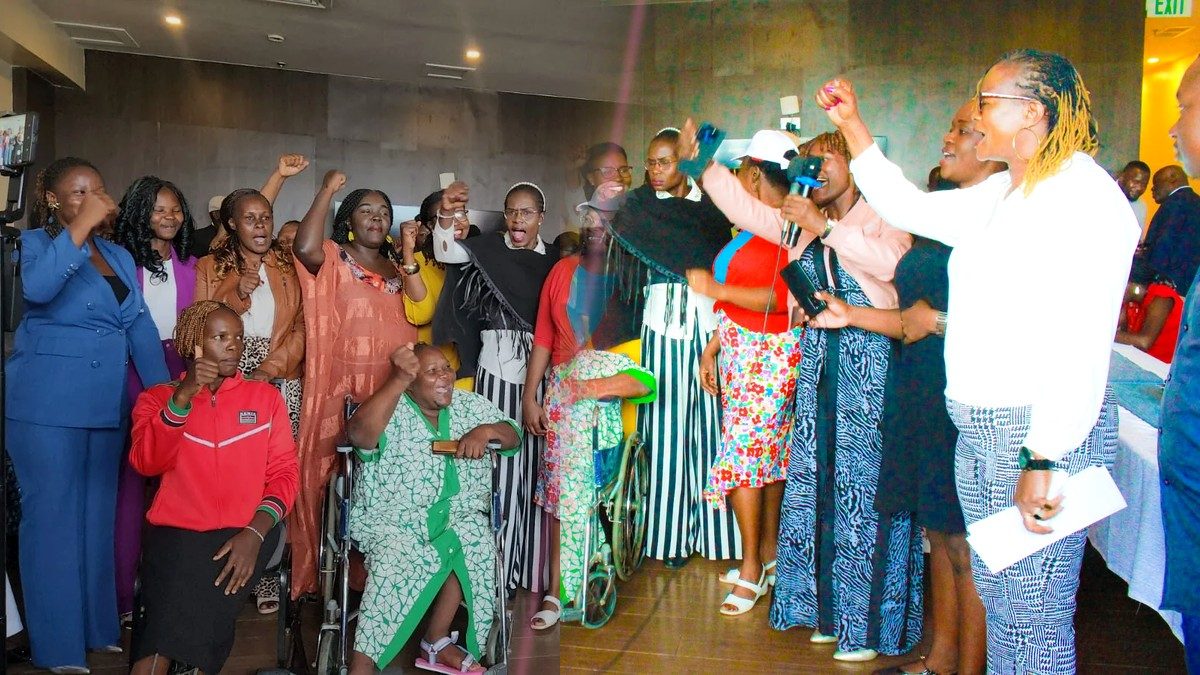
They raised their fists for the cameras, but what the women had come to say was grim: a list of the gangs, the bribes and the sexual demands they say stand between a woman in Kisumu and a place on the 2027 ballot.
Women seeking elective office in Kisumu County used a forum convened this week by the Federation of Women Lawyers in Kenya (FIDA-Kenya) to tell election regulators that political violence, voter bribery, sexual harassment and unfair party nominations are undermining female candidates ahead of the 2027 General Election.
Officials from the Independent Electoral and Boundaries Commission (IEBC), the Office of the Registrar of Political Parties (ORPP), the National Cohesion and Integration Commission (NCIC) and the National Gender and Equality Commission (NGEC) were in the room.
The gangs they named
In a joint statement, the aspirants singled out groups known locally as Mbogis, Chude Chude, Sangwenya and Security Boys, accusing them of intimidating women candidates and their supporters.
"We are concerned with the increase in political intolerance, violence and handouts culture in Kisumu County and the lake region ahead of the 2027 elections. Unfortunately, this pattern recurs in every electoral cycle," the statement read.
Maureen Adhiambo, who is seeking the Kisumu East parliamentary seat, said institutions "must intervene promptly against organised political gangs and the networks that fund and deploy them".
'It is no secret'
The most serious claims were aimed at the parties themselves. The women alleged that:
- Influential figures in party structures ask for sexual favours in exchange for tickets or nomination slots
- Women are pressured during negotiations to step down for men, with promises of appointments after the election
- Nominations favour money, nepotism, tribalism and personal connections over ability
- Parties hand women tickets in areas where they have little support
"It is no secret that people with influence within party structures have been known to ask for sexual favours in exchange for awarding and obtaining party tickets or promising nomination slots," the statement said. No individual or party was named, and the allegations have not been independently verified.
Abuse that follows them online
Fauzia Hawa Ali, who is eyeing the Kaloleni Shaurimoyo ward seat, raised what the group called technology-facilitated gender-based violence: online harassment, doxing, the sharing of private images without consent and coordinated social media attacks meant to silence women.
"Such acts violate our rights to security, freedom of expression, political participation, and dignity," the aspirants said.
What they want done
The women called on the IEBC, ORPP, NCIC, NGEC, the Political Parties Disputes Tribunal and security agencies to treat electoral violence as a priority threat. They want parties to:
- Discipline agents and supporters who attack women
- Set up early-warning and response systems
- Educate aspirants on nomination processes and dispute resolution
- Guarantee fair representation of women, youth and persons with disabilities on nomination lists
Woman Representative aspirants Linda Ogweno and Lavina Achieng Oduor were among those who spoke, with Ms Oduor urging politicians to write gender-sensitive manifestos that address the interests of special groups.
The aspirants, drawn from several different parties, cited the constitutional guarantees of gender equality and affirmative action and urged more Kisumu women to register and run, on party tickets or as independents.
"We remain committed to advocating for an electoral environment in which every woman can participate without fear, intimidation, discrimination or violence," they said.
Photos: Capital FM; Kenya News Agency (KNA). Thumbnail design: HAMASTA MEDIA.




Show the impact of your work.
Impact stories, campaign videos and community engagement for NGOs and programmes.

More in Politics
See all
Kenyans to Vote for Best Govt Agencies in 2026 Public Service Awards
Gachagua mocks Ruto's 'Usawa ni Sawa' over appointments he calls tribal
KNCHR Names Dr Mary Kimari as New CEO, Succeeding Dr Benard Mogesa
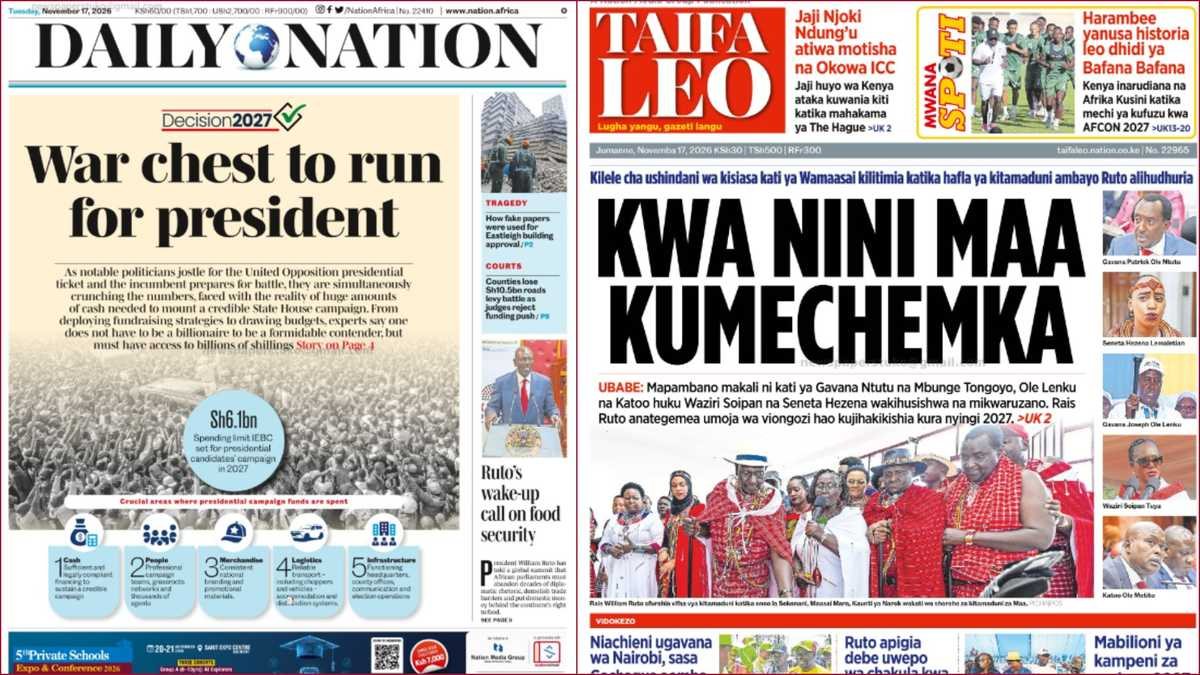
2027 presidential bid could cost up to KSh 20bn, far above IEBC's KSh 6.1bn cap
Ruto adviser Jaoko Oburu Odinga to quit State House job, eyes Bondo MP seat in 2027
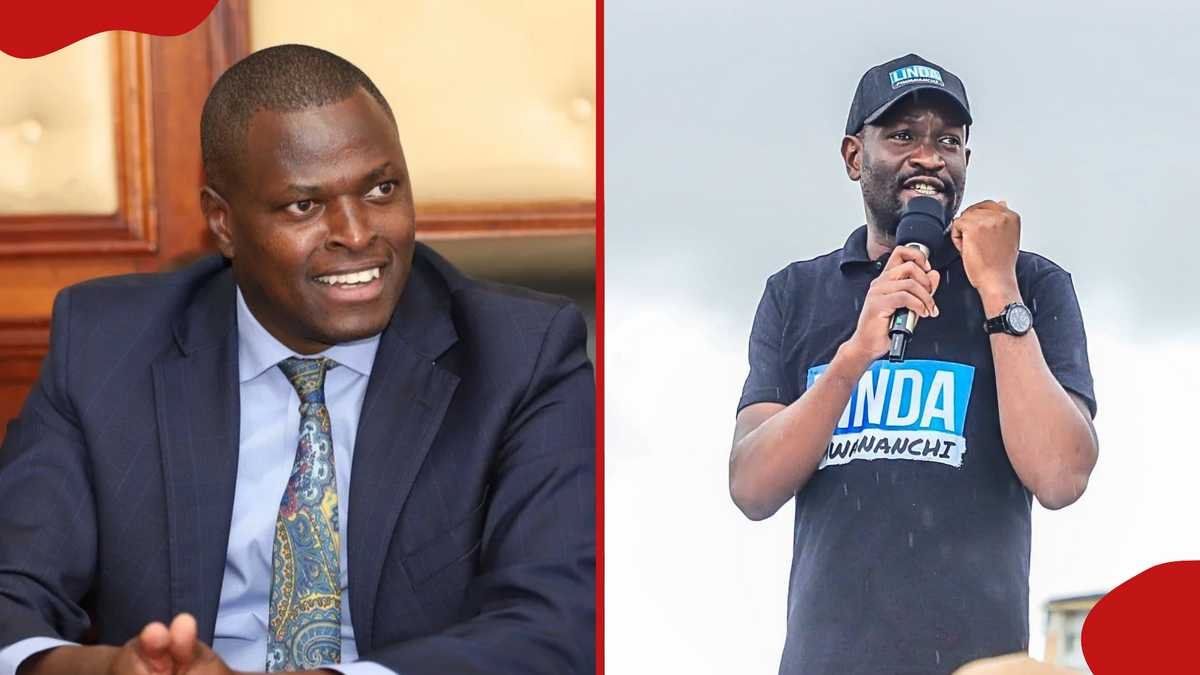
Ndindi Nyoro weighs in on leaders' dress code in apparent dig at Edwin Sifuna
Global Community Remarks
0